
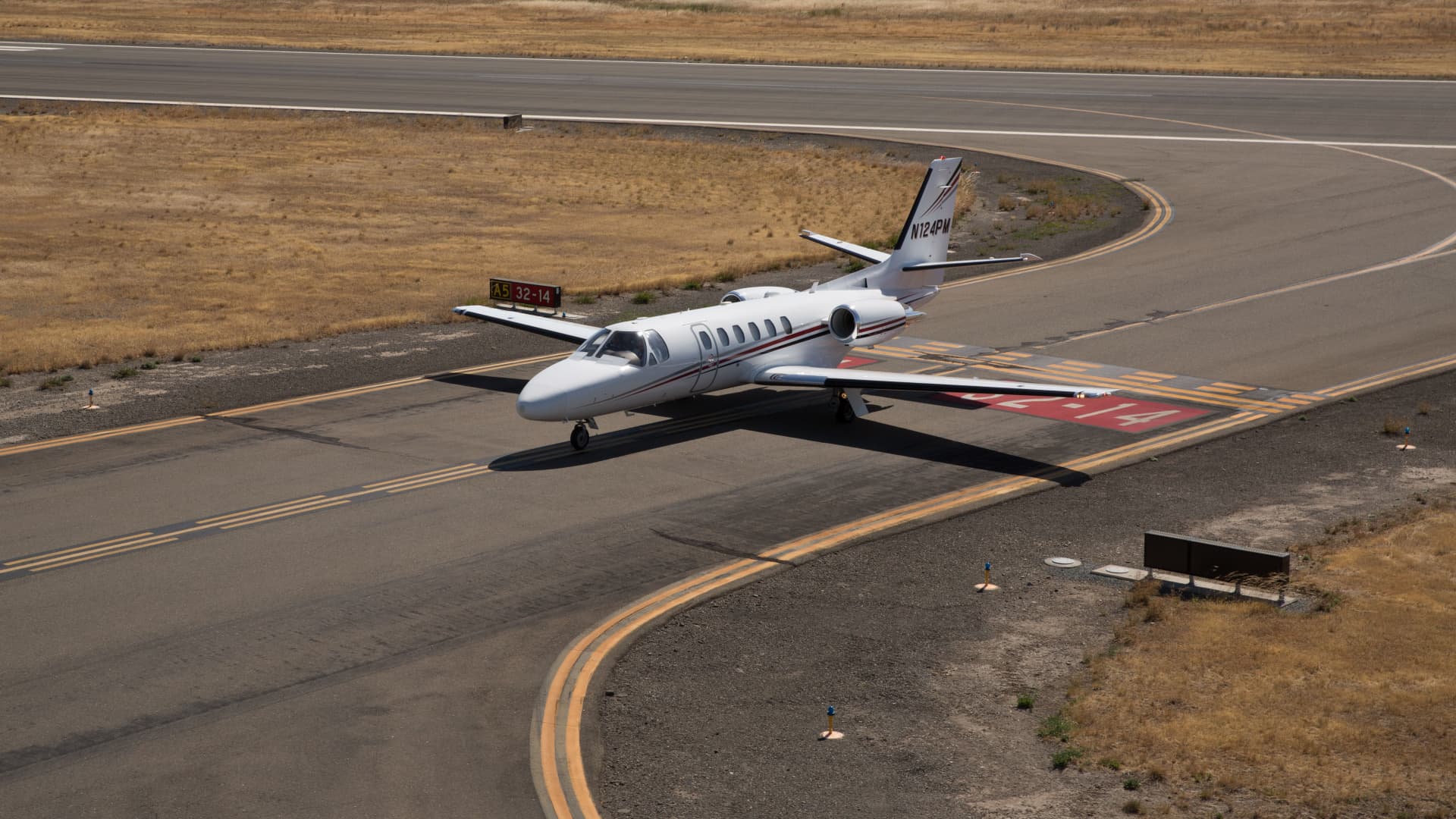
Turbulence Ahead: Why Private Jet Demand is Taking a Dive
The private aviation industry is facing unexpected headwinds as demand for private jets declines sharply amid rising tariffs and economic uncertainty. Over the past six months, sales and charter bookings have dropped by 15-20%, according to industry analysts, leaving manufacturers and brokers scrambling to adjust. The downturn stems from a combination of geopolitical tensions, stricter regulations, and shifting buyer priorities—signaling potential long-term challenges for the luxury travel sector.
Economic and Geopolitical Factors Shaking the Market
One of the primary drivers behind the slump is the recent imposition of higher tariffs on imported aircraft and parts, particularly affecting European manufacturers like Dassault and Airbus. The U.S. and EU trade disputes have led to a 25% tariff on certain aircraft components, inflating costs for buyers. “These tariffs are hitting the industry at the worst possible time,” says aviation economist Dr. Laura Simmons. “Many high-net-worth individuals are reconsidering purchases due to the added financial burden.”
Additional factors contributing to the decline include:
- Rising fuel costs: Jet fuel prices have surged by 30% year-over-year, making private travel less economical.
- Environmental scrutiny: Increased pressure to reduce carbon footprints has led some clients to opt for commercial alternatives.
- Market volatility: Economic instability has caused potential buyers to delay or cancel orders.
Buyers and Sellers Face a Shifting Landscape
For sellers, the slowdown has forced difficult decisions. Pre-owned jet inventories are growing, with listings up 12% since January. “We’re seeing longer lead times and more aggressive negotiations,” notes private jet broker Mark Reynolds. “Sellers who priced their aircraft optimistically six months ago are now having to adjust expectations.”
Buyers, meanwhile, are leveraging the softer market to seek better deals. Data from JetNet IQ reveals that the average time to close a sale has increased from 90 to 140 days, with buyers increasingly demanding concessions like maintenance packages or favorable financing terms.
Expert Perspectives on the Downturn
While some analysts view the slump as temporary, others warn of deeper structural changes. “This isn’t just a blip—it’s a recalibration,” argues industry consultant Elena Torres. “The pandemic-driven boom was unsustainable, and we’re now seeing a return to more traditional demand levels.”
Conversely, aviation attorney David Keller remains optimistic: “Historically, the private jet market has been cyclical. Once tariffs stabilize and fuel prices moderate, we could see a rebound by late 2024.”
The Environmental Factor: A Growing Influence
Beyond economics, environmental concerns are reshaping buyer behavior. A 2023 survey by Aviation Sustainability Now found that 28% of frequent private flyers are actively seeking greener alternatives, such as carbon-offset programs or hybrid-electric aircraft. Manufacturers are responding with next-gen models, but these innovations remain years away from widespread adoption.
What’s Next for the Private Jet Industry?
The industry’s immediate focus will likely center on adapting to the new normal. Key strategies may include:
- Offering flexible lease or membership options to attract cost-conscious clients.
- Accelerating development of sustainable aviation technologies.
- Lobbying governments for tariff relief or subsidies.
For now, stakeholders are bracing for continued turbulence. As Dr. Simmons summarizes, “The market is in flux, but necessity breeds innovation—this could be the catalyst for long-overdue evolution in private aviation.”
Call to Action: Stay informed on the latest developments in private aviation by subscribing to our industry newsletter for exclusive insights and analysis.
See more Business Focus Insider Team
