
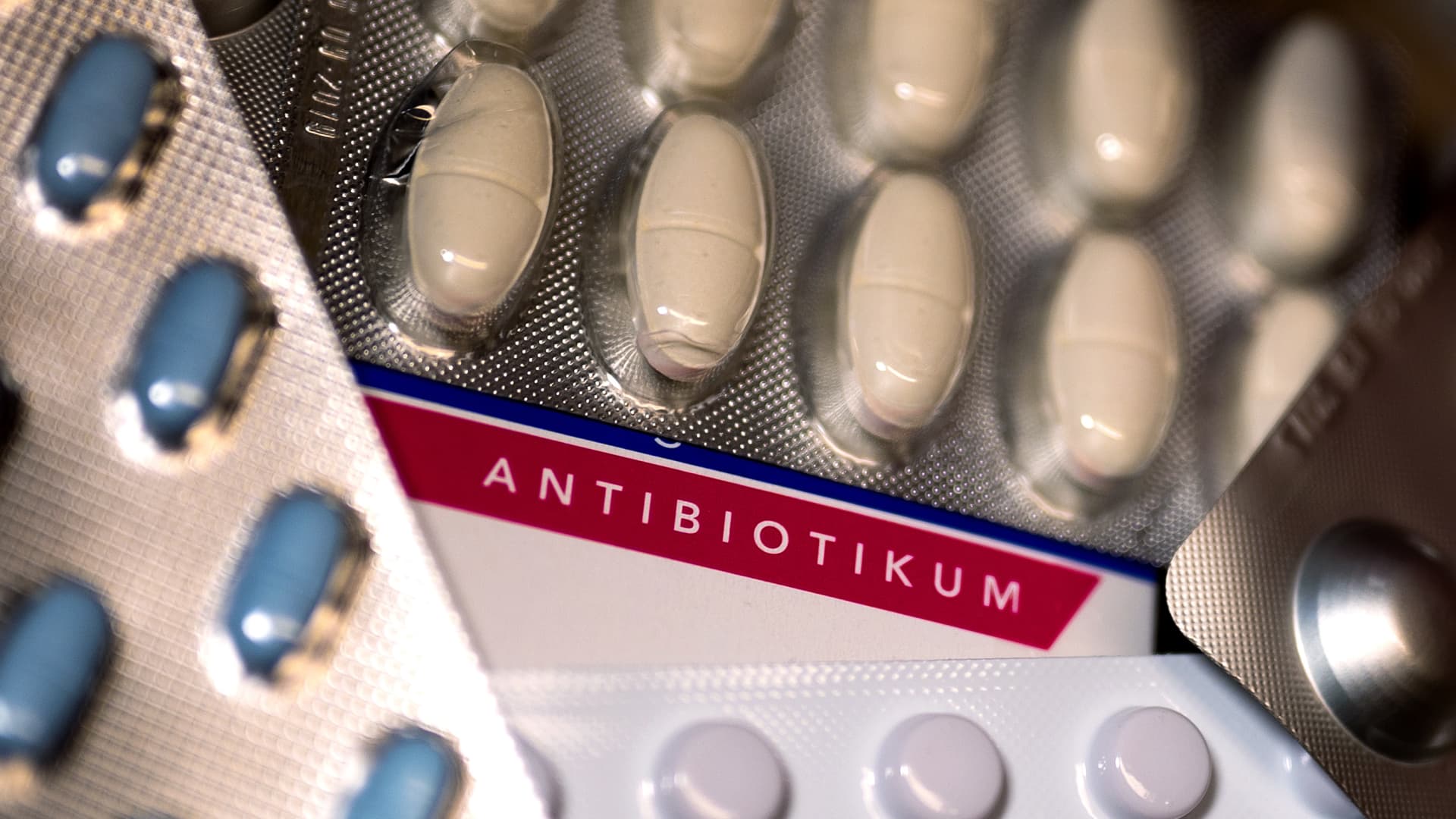
In an era of increasing globalization, pharmaceutical companies are facing unprecedented challenges as they navigate the complex landscape of tariffs, trade regulations, and potential violations of World Trade Organization (WTO) guidelines. The recent imposition of new tariffs by the Trump administration has sent ripples through the pharma industry, prompting firms to reassess their strategies and operations. As these companies grapple with the implications of these tariffs, they must also remain vigilant regarding the potential legal ramifications under international trade agreements.
The Impact of Tariffs on the Pharmaceutical Sector
Tariffs, essentially taxes imposed on imported goods, can drastically alter the dynamics of trade in the pharmaceutical industry. Companies rely heavily on global supply chains to manufacture and distribute their products. The introduction of new tariffs can lead to increased costs of raw materials, which can trickle down to consumers in the form of higher drug prices.
- Supply Chain Disruptions: Tariffs can disrupt established supply chains, forcing companies to seek alternative suppliers or even relocate manufacturing facilities.
- Increased Costs: The additional financial burden can hinder research and development investments, ultimately affecting innovation.
- Market Uncertainty: Companies may hesitate to launch new products or expand into new markets due to the unpredictability of tariffs.
The pharmaceutical industry operates on thin margins and high stakes; thus, the uncertainty brought by tariffs can be particularly damaging. As companies scramble to adapt, some may find opportunities for innovation and growth amidst the turmoil.
WTO Regulations and Compliance Challenges
The WTO was established to create a framework for global trade that promotes fair competition. However, the imposition of tariffs raises important questions about compliance with WTO regulations. Pharmaceutical firms must tread carefully to avoid potential violations that could result in legal challenges or sanctions.
- Understanding Trade Agreements: It’s crucial for companies to have a thorough understanding of international trade agreements and how they apply to their operations.
- Legal Implications: Non-compliance with WTO regulations can lead to disputes and retaliatory measures from other countries.
- Strategic Adaptation: Firms may need to modify their operational strategies to ensure compliance while still remaining competitive.
For many pharmaceutical companies, the challenge lies in balancing compliance with the need to maintain profitability and market share. This balancing act requires innovative thinking and strategic planning.
Strategic Responses to Tariff Challenges
In the face of tariff challenges, pharmaceutical companies are exploring several strategic responses to minimize the negative impact on their operations:
- Diversification of Supply Chains: Firms are increasingly looking to diversify their supply chains by sourcing materials from multiple countries to mitigate the risks associated with tariffs.
- Investment in Technology: Companies are investing in technologies that enhance efficiency and reduce production costs, which can help offset the financial burden of tariffs.
- Engaging in Lobbying: Many pharmaceutical firms are actively engaging with policymakers to advocate for more favorable trade policies that support their operations.
By embracing these strategies, companies not only navigate the current landscape but also position themselves for future growth and success.
Opportunities Amidst the Challenges
While the imposition of tariffs presents significant challenges, it also opens up new avenues for pharmaceutical companies. The evolving landscape can serve as a catalyst for innovation and strategic realignment:
- Focus on Domestic Production: With tariffs increasing import costs, some firms may choose to shift production closer to home, leading to job creation and economic growth in local markets.
- Enhanced R&D Investment: As firms adapt to the new economic landscape, they may increase investments in research and development to create more cost-effective solutions.
- New Market Opportunities: Changes in trade dynamics could lead to new opportunities in emerging markets where competition is less intense.
By recognizing and seizing these opportunities, pharmaceutical firms can turn challenges into competitive advantages, thereby enhancing their resilience in a turbulent environment.
The Future of Pharma in a Tariff-Ridden World
As the pharmaceutical industry grapples with the implications of tariffs imposed by the Trump administration, it is essential to consider the long-term impacts on the sector. The evolving trade landscape will likely continue to influence operations, innovation, and market strategies for years to come.
In the coming years, companies will need to remain agile, adapting to shifting regulations while staying true to their mission of delivering essential healthcare solutions. The need for collaboration and open dialogue between industry players and policymakers will be crucial in shaping a favorable outcome for the pharmaceutical sector.
Conclusion
Pharmaceutical firms are indeed on high alert as they navigate tariff challenges amid WTO concerns. While the current environment presents a host of risks, it simultaneously offers opportunities for growth, innovation, and strategic realignment. By embracing change and fostering adaptability, companies can not only survive but thrive in a rapidly evolving global landscape.
In conclusion, the key to success will lie in how well these firms can balance compliance with the need for operational efficiency and profitability. As the world continues to change, the resilience and ingenuity of the pharmaceutical industry will undoubtedly play a pivotal role in shaping the future of healthcare globally.
See more Business Focus Insider Team
