
The Hidden Barrier: How Personality Tests Disadvantage Autistic Job Seekers
In the modern job market, personality assessments have become a common tool used by employers to evaluate candidates. These tests are often perceived as a means to predict job performance and cultural fit. However, for many autistic individuals, these assessments can pose significant challenges, creating barriers that impede their ability to secure meaningful employment. This article delves into how personality tests disadvantage autistic job seekers, the implications of these assessments, and the urgent need for a reevaluation of hiring practices to foster inclusivity.
The Role of Personality Tests in Hiring
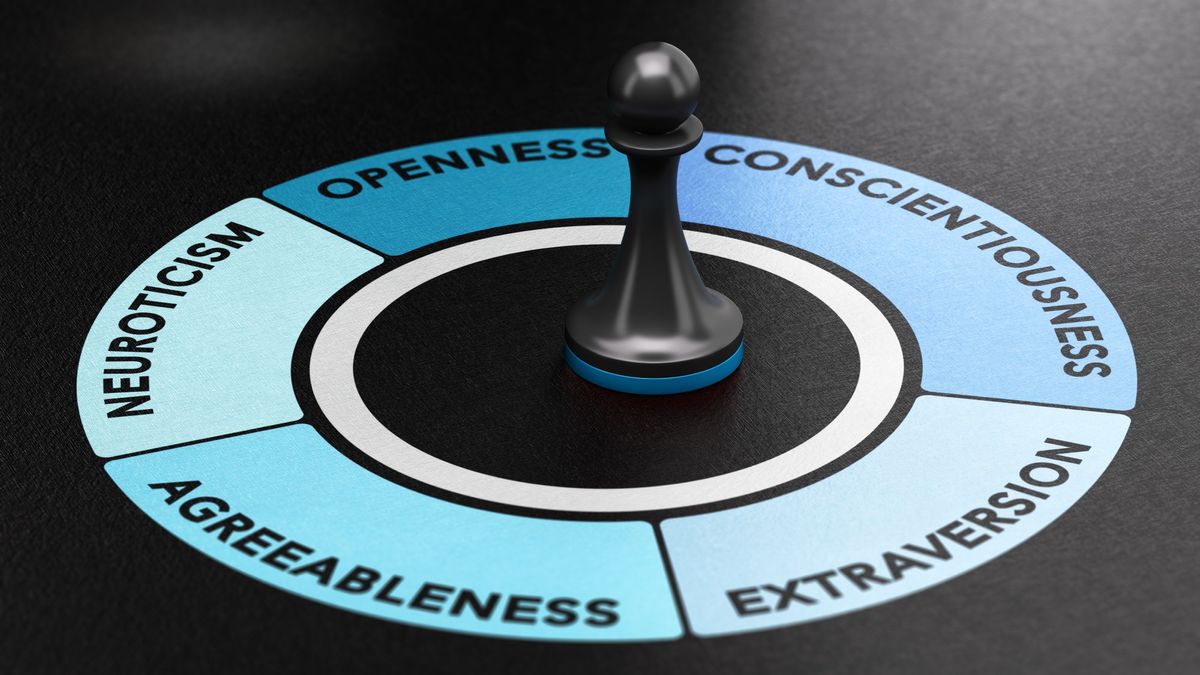
Personality tests typically aim to gauge various traits such as extroversion, agreeableness, emotional stability, and conscientiousness. Employers often believe that understanding a candidate’s personality can provide insights into their potential workplace behavior, team dynamics, and overall compatibility with company culture. While these assessments can be beneficial for some, they can inadvertently marginalize other groups, particularly those on the autism spectrum.
Understanding Autism and Its Implications
Autism spectrum disorder (ASD) is characterized by differences in social interaction, communication, and behavior. Individuals with autism may exhibit unique strengths, such as attention to detail, strong analytical skills, and a deep focus on tasks. However, they may also face challenges in social situations, which can affect their performance in personality assessments.
- Social Communication: Many personality tests require respondents to interpret social cues or respond to hypothetical social situations, which can be particularly challenging for autistic individuals.
- Self-Presentation: Autistic job seekers may struggle with self-presentation, often answering questions in ways that do not align with the expected norms of neurotypical individuals.
- Test Anxiety: The pressure to perform well on these tests can exacerbate anxiety, leading to performance that does not truly reflect the candidate’s abilities.
The Disadvantage of Personality Tests for Autistic Job Seekers
Personality tests can create a series of disadvantages for autistic individuals, often resulting in unjust outcomes in the hiring process. Here are several key points to consider:
1. Misinterpretation of Responses
Many personality assessments are designed based on neurotypical norms, which can lead to misinterpretation of responses from autistic candidates. For instance, a straightforward answer that an autistic individual provides might be seen as lacking emotional insight or social awareness, leading to a negative assessment.
2. Overemphasis on Social Traits
Many personality tests place a heavy emphasis on social traits, such as charisma and agreeableness. These attributes may not be strengths for some autistic individuals, who might excel in technical skills or critical thinking. This misalignment can result in capable candidates being overlooked due to a failure to conform to social expectations.
3. Lack of Accommodation
In many cases, personality tests do not provide accommodations for candidates with disabilities. For autistic individuals, this lack of support can further disadvantage them, as they may not be able to demonstrate their true potential under standard testing conditions. Companies often overlook the need for alternative assessment methods that are more inclusive and accessible.
Call for Inclusive Hiring Practices
Given the significant barriers posed by personality tests, there is a pressing need for organizations to reevaluate their hiring practices. Here are some actionable steps that companies can take to create a more inclusive employment environment:
- Implement Alternative Assessment Methods: Employers should consider using skills-based assessments or work samples that allow candidates to demonstrate their abilities without the influence of personality tests.
- Provide Accommodations: Offering accommodations, such as extended time for assessments or alternative formats, can help autistic candidates perform to the best of their abilities.
- Focus on Skills and Experience: Hiring decisions should prioritize relevant skills and experiences over personality traits. This shift can help ensure that capable individuals are not overlooked due to personality test results.
- Increase Awareness and Training: Organizations should invest in training for hiring managers to help them understand autism and recognize the value that neurodiverse candidates can bring to the workplace.
Success Stories: Changing the Narrative
Despite the challenges posed by personality tests, many autistic individuals have found success in various industries by leveraging their unique skills and perspectives. Companies like SAP and Microsoft have pioneered initiatives to hire neurodiverse talent, demonstrating that diversity in hiring leads to innovation and improved performance.
For instance, SAP’s Autism at Work program aims to recruit and support individuals on the autism spectrum, showcasing their strengths in software testing and data analysis. By focusing on skills rather than traditional assessments, these companies not only empower autistic individuals but also enrich their organizational culture.
Conclusion: Towards a More Inclusive Future
The hidden barrier of personality tests in the hiring process represents a significant challenge for autistic job seekers. As society becomes increasingly aware of the importance of diversity and inclusion, it is crucial for employers to reassess their evaluation methods and embrace practices that accommodate all candidates. By shifting focus from personality assessments to skills-based evaluations, companies can unlock the potential of a diverse workforce and create an environment where everyone has the opportunity to thrive.
In doing so, organizations will not only enhance their brand reputation but also contribute to a more equitable society. It’s time to dismantle the hidden barriers and pave the way for a more inclusive future in the workplace.
See more Business Focus Insider Team
