
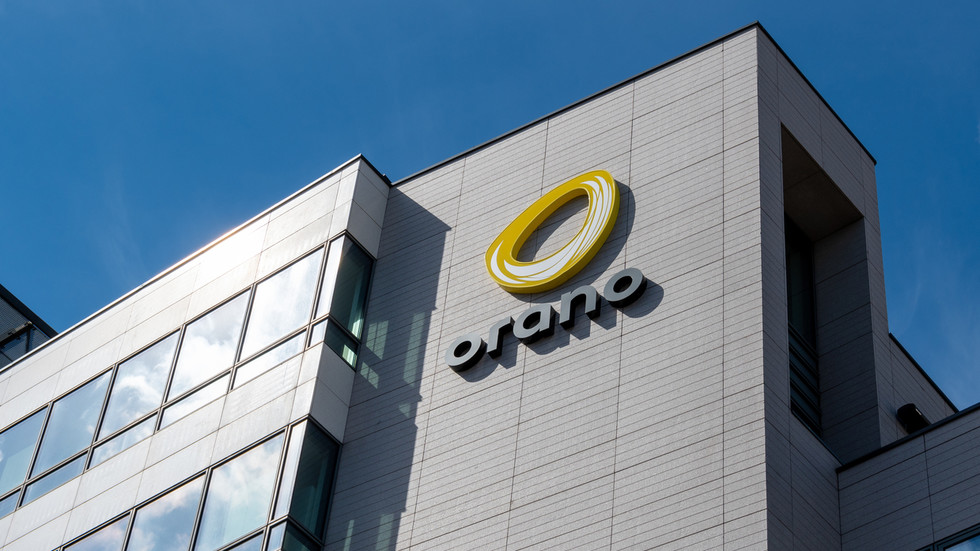
Niger’s Bold Move: Seizing French Uranium Mining Equipment Sparks Tensions
In a dramatic escalation of resource nationalism, Niger’s military government confiscated critical mining equipment from French uranium giant Orano SA this week. The seizure, occurring near the northern town of Arlit on [insert date], directly challenges France’s energy security while signaling Niger’s determination to assert control over its mineral wealth. This bold action follows months of deteriorating relations between the former colony and its European partner, with junta leaders accusing foreign firms of “exploitative practices.”
Background: The Strategic Uranium Partnership Unravels
For five decades, France has relied on Niger’s uranium to power its nuclear reactors, which generate 70% of the country’s electricity. The Arlit and Akouta mines—operated by Orano (formerly Areva)—have produced over 350,000 metric tons of uranium since the 1970s, making Niger the world’s fourth-largest producer. However, recent audits revealed that Niger receives just 11-15% of the revenue from these operations, compared to Namibia’s 20% and Canada’s 30%.
“This isn’t just about equipment—it’s about decolonizing our economy,” said Dr. Aminata Diallo, a resource governance expert at Niamey University. “When a liter of uranium concentrate sells for €200 but Nigerien miners earn €2 per day, tensions were inevitable.”
The Immediate Fallout: Operational and Diplomatic Consequences
The seized assets include:
- 12 heavy haul trucks valued at €4 million each
- Ore processing modules critical for production
- Radiation monitoring systems
Orano warned the move could halt operations at the COMINAK mine, threatening 1,200 direct jobs and France’s access to 15% of its annual uranium supply. The French Foreign Ministry called the seizure “illegal and counterproductive,” while the EU Commission expressed concern over “disruptions to clean energy transitions.”
Conversely, Niger’s Mines Minister Colonel Major Ousmane Abarchi framed the action as lawful: “Under our revised mining code, all equipment on Nigerien soil belongs to the state. We’re simply enforcing existing laws that previous governments lacked the courage to implement.”
Broader Implications for Resource Nationalism in Africa
This confrontation mirrors regional trends. Since 2020, six African nations have revised mining codes or renegotiated contracts, including:
- Democratic Republic of Congo’s cobalt royalty increases (2022)
- Zimbabwe’s lithium export bans (2023)
- Ghana’s new gold ownership requirements (2024)
Dr. Kwame Nkrumah, a Dakar-based geopolitical analyst, observes: “The Niger situation exemplifies Africa’s ‘second independence’ movement—not from political rule, but from economic subjugation. With global uranium prices up 40% since 2021, governments recognize their leverage.”
Potential Outcomes and Future Scenarios
Industry experts outline three likely paths forward:
- Negotiated Settlement: Orano accepts higher royalties/taxes (25-30%) in exchange for equipment return
- Nationalization: Niger follows Mali’s 2022 gold mine takeovers, possibly partnering with Russian firm Rosatom
- Legal Standoff: Prolonged ICC arbitration disrupts production for 2-3 years
The International Energy Agency warns that prolonged disruptions could force France to seek alternative suppliers from Kazakhstan or Australia, potentially increasing costs by 18-22%. Meanwhile, Niger faces potential sanctions under the African Continental Free Trade Area’s investment protection clauses.
What This Means for Global Energy Markets
With nuclear energy experiencing a global resurgence (380 new reactors planned by 2035), uranium supply chains face unprecedented scrutiny. Niger’s actions may:
- Accelerate European efforts to recycle nuclear fuel (currently only 15% of EU uranium is reprocessed)
- Strengthen China’s position as it controls 60% of African mining financing
- Prompt reevaluation of “just transition” frameworks that exclude producer nations’ interests
As Professor Elena Petrova of the Global Resources Institute notes: “The age of passive resource suppliers is over. Niger’s move—whether strategic or impulsive—will be studied in boardrooms from Johannesburg to Paris.”
Next Steps and Ongoing Developments
All eyes now turn to:
- The June 15 ECOWAS emergency summit on resource governance
- Orano’s shareholder meeting (June 20), where divestment options may be discussed
- Potential Russian or Chinese offers for partnership—both nations have recently opened embassies in Agadez near the mines
For investors and policymakers, this crisis underscores the need for equitable resource models. As renewable energy demand grows, so too will producer nations’ assertiveness. The question isn’t whether more seizures will occur, but how industry and governments will adapt to this new era of resource sovereignty.
Stay informed on evolving African resource policies by subscribing to our Energy & Geopolitics newsletter for weekly expert analysis.
See more Business Focus Insider Team
