
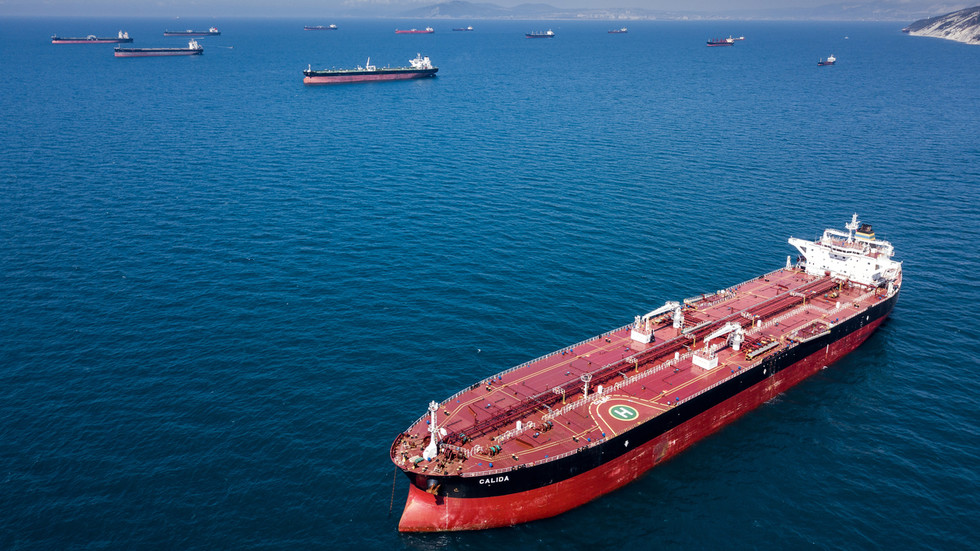
New Delhi’s Bold Strategy: Revolutionizing Oil Tanker Production
In a decisive move to bolster its maritime capabilities, New Delhi has unveiled an ambitious plan for oil tanker production. This initiative aims to enhance national energy security and position India as a key player in the global shipping industry. The strategy is not just about building ships; it represents a comprehensive approach to fortifying the nation’s energy supply chain amid growing global demands and geopolitical uncertainties.
The Importance of Oil Tanker Production
Oil tankers are the lifeblood of international trade, carrying vast quantities of crude oil and petroleum products across the oceans. With the increasing reliance on oil for energy and transportation, the demand for efficient and robust oil tanker fleets is at an all-time high. India’s burgeoning economy, which is projected to be one of the largest in the world, necessitates a strong maritime presence.
Key Reasons for Focusing on Oil Tanker Production:
- Energy Security: Increasing domestic oil production and reducing dependence on foreign imports is paramount for national security.
- Economic Growth: The maritime sector contributes significantly to the economy, creating jobs and stimulating related industries.
- Global Competitiveness: A robust oil tanker fleet positions India as a formidable player in global shipping markets.
Strategic Goals of New Delhi’s Initiative
The Indian government’s strategy for oil tanker production is multifaceted, aiming to achieve several key objectives:
1. Enhancing National Energy Security
One of the primary goals of this initiative is to ensure that India has reliable access to energy resources. By developing a fleet of oil tankers, India can secure its supply chains, mitigating risks associated with geopolitical tensions and fluctuations in global oil prices.
2. Reducing Import Dependency
India currently imports a substantial portion of its oil. By ramping up domestic production and enhancing tanker capabilities, the nation can work towards reducing its dependency on external sources, thereby ensuring better control over energy resources.
3. Technological Advancement
This initiative is also expected to spur advancements in maritime technology. By investing in modern shipbuilding techniques and eco-friendly designs, India can lead the charge in sustainable maritime practices, contributing to global efforts in reducing carbon emissions.
4. Job Creation and Economic Development
Investing in oil tanker production will inevitably create a plethora of jobs across various sectors, including shipbuilding, engineering, and logistics. This will not only help in reducing unemployment rates but also contribute to broader economic growth in regions where these facilities are established.
Implementation Strategies
To effectively implement this ambitious plan, the Indian government is focusing on several strategic approaches:
1. Public-Private Partnerships
Engaging private industry players is crucial for the success of this initiative. The government plans to create frameworks that encourage collaboration between state-owned enterprises and private shipbuilders, thereby leveraging expertise and resources efficiently.
2. Investment in Infrastructure
A strong infrastructure backbone is essential for the oil tanker production ecosystem. Investments in shipyards, ports, and related facilities will be prioritized to ensure that the production process is streamlined and efficient.
3. Research and Development
Fostering innovation through research and development will be vital. The government intends to allocate funds for R&D projects focusing on advanced maritime technologies, including automation, fuel efficiency, and safety measures.
4. Training and Skill Development
To support the burgeoning industry, comprehensive training programs will be introduced. Upskilling the workforce will ensure that India has the necessary human resources equipped with the skills required for modern shipbuilding and maritime operations.
Challenges Ahead
While the initiative is promising, it is not without its challenges. Here are some potential hurdles that New Delhi might face:
- Global Competition: India will need to position itself against established maritime powers like South Korea and Japan, which have a strong foothold in the shipbuilding industry.
- Regulatory Hurdles: Navigating through bureaucratic processes and regulations can slow down progress and deter investments.
- Environmental Concerns: The maritime industry faces scrutiny over its environmental impact. Ensuring compliance with international standards is critical.
The Global Implications of India’s Oil Tanker Production Strategy
India’s bold strategy to revolutionize oil tanker production carries significant implications beyond its borders:
1. Strengthening Regional Influence
By enhancing its maritime capabilities, India can solidify its role as a key player in the Indian Ocean region. This can lead to stronger alliances with neighboring countries and bolster its position in regional security matters.
2. Contributing to Global Energy Stability
With increased production and a modern fleet, India can contribute to global energy stability by ensuring that oil supply routes remain secure and efficient, thereby influencing international oil prices positively.
3. Promoting Sustainable Practices
As India invests in eco-friendly shipbuilding technologies, it has the opportunity to set a precedent in the industry, encouraging other nations to adopt sustainable practices in maritime operations.
Conclusion
New Delhi’s bold strategy to revolutionize oil tanker production is a forward-thinking initiative that holds promise for enhancing national energy security, fostering economic growth, and positioning India as a leader in the global shipping industry. By focusing on technological innovation, public-private partnerships, and workforce development, India is set to navigate the challenges ahead and emerge as a formidable player in maritime trade. As the world watches, this strategy not only reflects India’s ambitions but also its commitment to shaping a sustainable and secure energy future.
See more Business Focus Insider Team
