
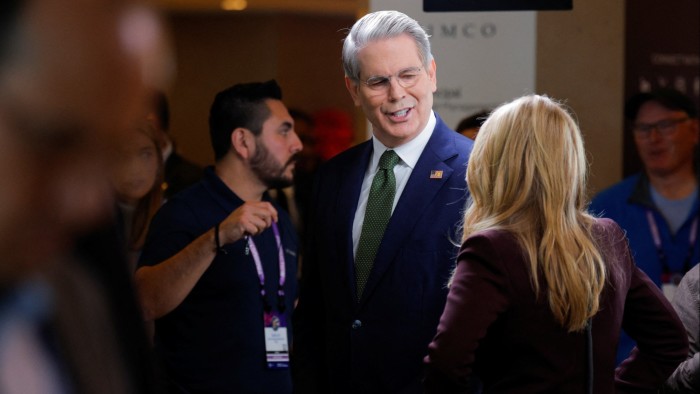
Inside the Milken Conference: Unveiling the Tensions Behind Closed Doors
The Milken Institute Global Conference, held annually in Beverly Hills, has long been a premier gathering for finance titans, policymakers, and thought leaders. Yet behind the glossy panels and high-profile networking, simmering tensions over economic inequality, ethical investing, and geopolitical strife reveal a stark contrast to its collaborative ethos. This year’s event, from April 28 to May 1, became a microcosm of the divides shaping global markets—and the uneasy alliances attempting to bridge them.
The Glittering Facade Meets Growing Discontent
Dubbed the “Davos of the West,” the Milken Conference attracts over 3,500 attendees, including billionaires, Nobel laureates, and cabinet members. Its agenda promises “advancing a more equitable and sustainable future,” but critics argue the event epitomizes the very disparities it seeks to address. A 2023 Brookings Institution report found that 78% of panelists at elite economic forums represent the top 1% of wealth holders—a statistic that loomed large over Milken’s discussions.
“The irony is palpable,” said Dr. Lila Chen, a political economist at Stanford University. “You have hedge fund managers debating income inequality in a ballroom where tickets cost $15,000. The disconnect fuels skepticism about whether these dialogues drive change or merely reinforce existing power structures.”
Clashes Over Capitalism’s Future
One flashpoint emerged during a panel on stakeholder capitalism, where tech CEOs clashed with labor advocates. While executives touted ESG (environmental, social, and governance) initiatives as transformative, union leaders pointed to stagnant wages and layoffs. “ESG is becoming a marketing tool,” argued Marcus Doyle of the AFL-CIO, citing data showing that S&P 500 firms spent 90% more on stock buybacks than worker bonuses in 2022.
Meanwhile, geopolitical rifts flared during closed-door sessions on China-U.S. relations. A leaked memo revealed heated exchanges between venture capitalists advocating for decoupling and multinational CEOs warning of supply chain chaos. “The room was split 50-50,” said a source familiar with the discussions. “It mirrored the broader paralysis in policy circles.”
The Data Behind the Disconnect
Research underscores these tensions. A pre-conference survey by Edelman found that 67% of the public distrusts financial institutions to address societal challenges—up from 52% in 2019. Yet Milken’s own polling showed 82% of attendees believe private capital can solve climate change. This gap highlights what sociologists call “elite overconfidence,” a tendency to overestimate top-down solutions.
- Wealth disparity: The combined net worth of Milken’s 20 richest attendees ($480 billion) exceeds the GDP of Norway.
- Gender imbalance: Only 29% of main-stage speakers were women, per a Bloomberg analysis.
- Access barriers: 70% of nonprofit and academic participants reported feeling excluded from key negotiations.
Voices Calling for Reform
Some insiders are pushing for change. “We need fewer monologues and more uncomfortable conversations,” said Priya Kapoor, a impact investor who organized an off-the-record dinner for grassroots activists and Wall Street leaders. Her group’s proposal: reserve 30% of panels for underrepresented voices and tie sponsorship fees to diversity metrics.
Others defend the status quo. “This isn’t a UN summit—it’s a marketplace of ideas,” countered hedge fund manager David Rhinehart. “The friction here generates deals and policies that trickle down.” Yet even he admitted the 2024 conference felt “markedly more polarized” than past years.
What Comes Next for the Milken Conference?
As the global elite grapple with populist backlash and systemic risks, the Milken Institute faces a reckoning. Will it evolve into a forum for genuine collaboration, or remain a symbol of insulated privilege? Next year’s planning committee has already pledged to audit speaker diversity and expand scholarship access. But for critics, the proof will lie in whether the conference’s outcomes—not just its rhetoric—align with its inclusive mission.
The stakes extend beyond Beverly Hills. With trust in institutions eroding, the world is watching whether gatherings like Milken can bridge divides or deepen them. As Chen noted, “The tension isn’t the problem—it’s the avoidance of hard choices that matters.” For those committed to equitable change, the call is clear: engage with the discomfort, or risk irrelevance.
Want to explore how elite conferences shape policy? Subscribe to our newsletter for investigative insights on power and influence.
See more Business Focus Insider Team
