
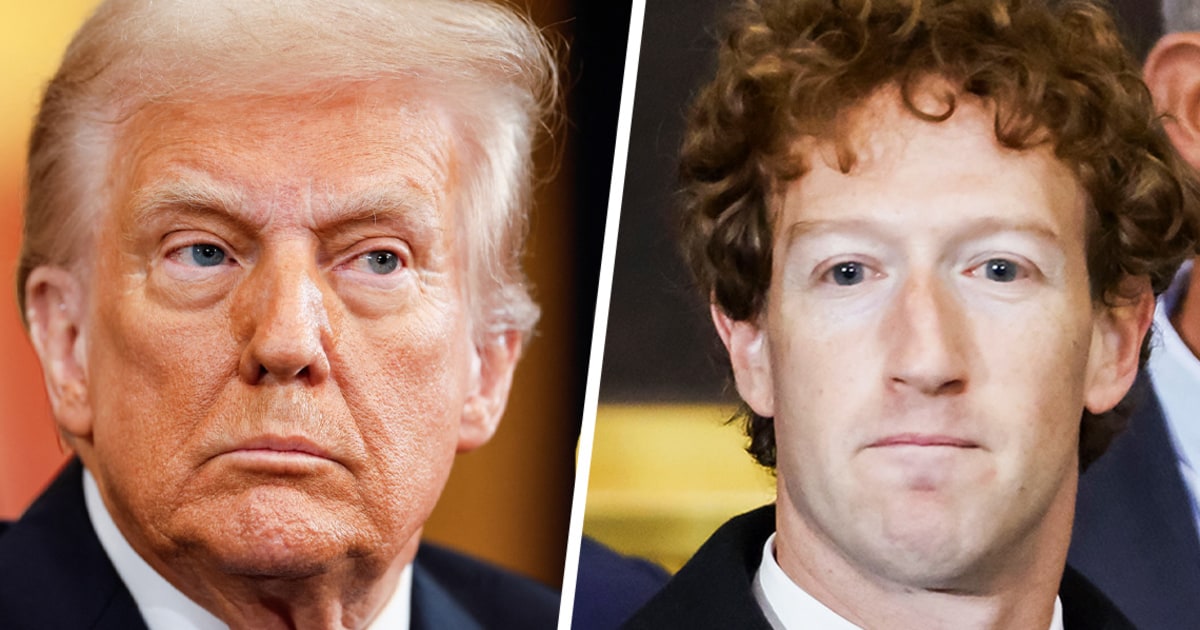
Mark Zuckerberg’s Bold Move: The End of Facebook’s DEI Policy
In a surprising turn of events, Mark Zuckerberg has announced the discontinuation of the Diversity, Equity, and Inclusion (DEI) policy that had been a cornerstone of Facebook’s corporate culture during his tenure. This decision has sent shockwaves through the tech community, raising critical questions about the future direction of Facebook’s commitment to inclusivity. The implications of this bold move are vast, affecting not only the internal dynamics of the company but also the broader landscape of corporate responsibility and social equity.
What Prompted the Change in Facebook’s DEI Policy?
Mark Zuckerberg’s decision to end the DEI policy comes amid a backdrop of shifting priorities at Facebook, now rebranded as Meta Platforms, Inc. The company has faced various challenges, including regulatory scrutiny, changing user demographics, and intensified competition. As Zuckerberg focuses on the metaverse and other technological advancements, he may believe that a reevaluation of the DEI policy is necessary to align with these new strategic goals.
Critics of the DEI policy argue that it has not yielded the desired outcomes. Despite the investment in initiatives aimed at fostering a diverse workforce and inclusive culture, many employees have expressed dissatisfaction with the pace of change and the effectiveness of these programs. The discontinuation of the DEI policy might be seen as a response to these internal concerns, signaling a shift towards more traditional business practices that prioritize efficiency and profitability over social initiatives.
Implications for Corporate Culture
The end of Facebook’s DEI policy could have profound implications for the company’s corporate culture. Historically, DEI initiatives have been linked to numerous positive outcomes, including:
- Enhanced Innovation: Diverse teams are known to foster creativity and innovation, as varied perspectives often lead to more robust problem-solving.
- Increased Employee Satisfaction: Employees who feel included and valued are generally more engaged and productive.
- Improved Company Reputation: Companies that prioritize diversity and inclusion often enjoy better public perception, attracting talent and customers alike.
By abandoning its DEI policy, Facebook may risk losing these advantages. Employees may feel disillusioned, leading to decreased morale and increased turnover. A company culture that does not actively promote diversity and inclusion can also attract negative attention from the public and media, potentially harming the brand’s reputation.
Reactions from Employees and Stakeholders
As news of the discontinuation spreads, reactions from employees and stakeholders have been mixed. Some employees have expressed relief, believing that a more streamlined approach could lead to greater efficiency and focus on core business objectives. Others, however, have voiced concerns about the message this decision sends regarding the company’s commitment to social responsibility.
For instance, a senior employee at Facebook commented, “While I understand the need for the company to adapt, I worry that this move indicates a retreat from our values. Diversity and inclusion are not just buzzwords; they are essential to our success.” This sentiment is echoed by many who believe that the company’s strength lies in its diversity.
Broader Impact on the Tech Industry
The decision to end the DEI policy at Facebook may not only affect the company itself but could also resonate throughout the tech industry. Other companies that have implemented similar initiatives may feel pressured to reassess their own policies in light of Facebook’s changes. This could lead to a domino effect where companies prioritize profit over social equity, undermining decades of progress in the corporate landscape.
Industry experts warn that if major tech companies like Facebook backtrack on DEI initiatives, it could set a troubling precedent. “Companies have a responsibility to their employees and society,” says Dr. Sarah Thompson, a corporate ethics expert. “If Facebook, a leader in the industry, steps back from its DEI commitments, it sends a signal that diversity and inclusion are not priorities for the future.”
Potential Alternatives to the DEI Policy
While the discontinuation of the DEI policy raises concerns, it also opens the door for new approaches to fostering diversity and inclusion within the workplace. Here are some potential alternatives that Facebook could explore:
- Integrating DEI into Core Business Strategies: Rather than having a standalone DEI policy, Facebook could incorporate diversity and inclusion into its overall business objectives, ensuring that these principles are woven into the fabric of the company.
- Employee-Led Initiatives: Encouraging employees to take the lead on diversity initiatives can foster a sense of ownership and investment in the company culture.
- Data-Driven Approaches: Utilizing data analytics to identify areas of improvement can help the company make informed decisions regarding diversity and inclusion efforts.
These alternatives could potentially retain the spirit of diversity and inclusion while adapting to a changing corporate environment.
Looking Ahead: The Future of Facebook’s Commitment to Inclusivity
As Mark Zuckerberg’s bold move to end Facebook’s DEI policy unfolds, the company stands at a crossroads. The path forward must balance the need for profitability with an unwavering commitment to inclusivity. By reimagining its approach to diversity and equity, Facebook can continue to lead in the tech industry while fostering a culture that values all employees.
Ultimately, the decision to end the DEI policy may catalyze a broader discussion about the role of corporations in promoting social equity. As businesses navigate this complex landscape, it’s essential for leaders to recognize that diversity and inclusion are not just moral imperatives but also critical drivers of innovation and success. The future of Facebook’s commitment to inclusivity remains uncertain, but it is clear that the conversation around DEI will persist, influencing not only Facebook but the entire corporate world.
See more Business Focus Insider Team
