
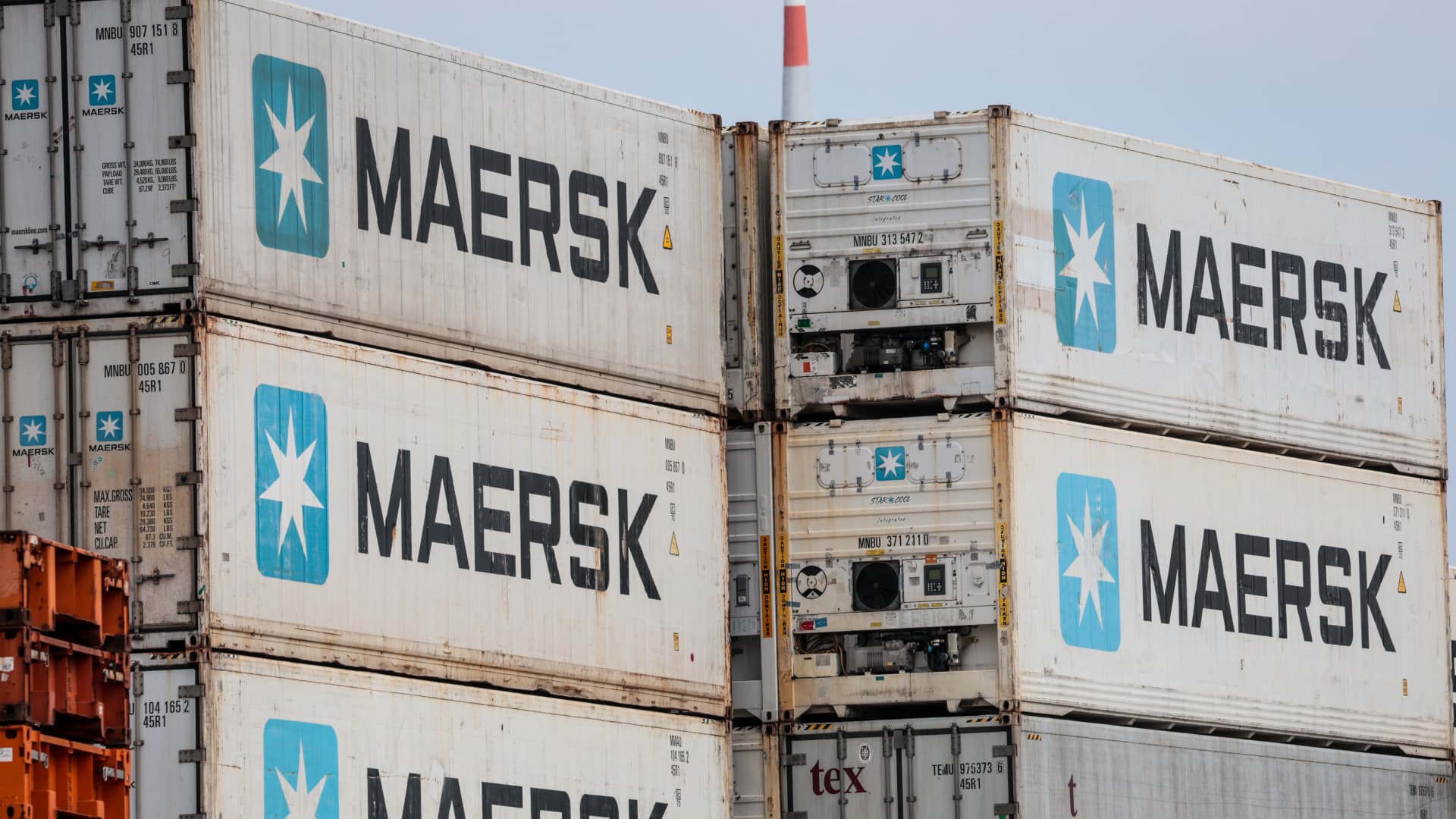
Maersk’s Impressive 70% Profit Surge Signals Shifts in Global Trade
Danish shipping giant A.P. Moller-Maersk reported a staggering 70% year-on-year profit increase in Q1 2024, posting $5.1 billion in earnings as global supply chains stabilize and freight rates remain elevated. The Copenhagen-based conglomerate’s performance, announced May 2nd, serves as a bellwether for international commerce, revealing both resilience in maritime logistics and persistent challenges for import-dependent economies.
Behind the Numbers: Key Drivers of Maersk’s Windfall
Maersk’s exceptional results stem from a perfect storm of favorable market conditions and strategic decisions:
- Freight rate stabilization: Despite easing from pandemic peaks, container rates remain 42% above 2019 averages according to Drewry’s World Container Index
- Operational efficiency: The company reduced empty container movements by 11% through advanced AI routing systems
- Fuel cost savings: A 17% drop in bunker fuel prices coupled with expanded use of carbon-neutral biofuels
“Maersk has successfully navigated the post-pandemic normalization,” noted Lars Jensen, CEO of Vespucci Maritime. “Their ability to maintain premium pricing while cutting costs demonstrates the new normal in container shipping – where scale and technology create insurmountable advantages.”
The Global Trade Implications of Maersk’s Dominance
The profit surge highlights growing divides in international commerce. While shippers benefit from stabilized supply chains, manufacturers and retailers continue facing elevated transportation costs. The World Trade Organization estimates global merchandise trade volumes grew just 0.6% in Q1, suggesting Maersk’s gains come from margin expansion rather than increased activity.
Emerging patterns reveal:
- Asia-Europe routes accounted for 38% of Maersk’s revenue growth
- Trans-Pacific volumes declined 4% year-over-year
- African and South American routes showed unexpected 9% demand increase
Industry Experts Divided on Sustainability
While celebrating the financial results, analysts debate whether Maersk’s performance indicates healthy trade or exposes systemic issues:
“These profits reflect necessary reinvestment capacity for the green transition,” argued Dr. Sophia Karpova, maritime economist at the Copenhagen Business School. “Maersk has committed $5 billion to carbon-neutral vessels by 2030 – such ambitions require strong cash flow.”
Conversely, consumer advocacy groups warn about knock-on effects. “Every dollar in shipping profits ultimately gets paid by households through higher goods prices,” said Ravi Patel of the Global Trade Watch. “We’re seeing profit-driven inflation in basic commodities from furniture to frozen foods.”
What Maersk’s Performance Reveals About Future Trade Trends
The shipping leader’s quarterly report provides crucial insights into evolving global commerce patterns:
1. Regionalization Accelerates
Maersk’s increased intra-Asia and Europe-Middle East traffic (up 15% and 12% respectively) confirms companies are building regional supply chains as geopolitical tensions persist.
2. Green Shipping Goes Mainstream
The company’s carbon emissions per container fell 6% year-over-year, proving environmental investments can coincide with profitability. Maersk now operates 24 methanol-enabled vessels on order, with the first 8 entering service in 2024.
3. Digital Transformation Pays Off
Maersk’s $1.6 billion technology investment since 2021 yielded tangible results, with digital platforms handling 68% of customer interactions compared to 45% in 2022.
The Road Ahead: Challenges and Opportunities
Despite the strong quarter, Maersk maintained cautious guidance for 2024, citing several potential headwinds:
- Ongoing Red Sea disruptions adding 10-15% to Asia-Europe transit costs
- Global warehouse inventories remain 18% above pre-pandemic levels
- Potential labor disputes as the International Longshoremen’s Association contract expires September 30
The company plans to deploy its windfall strategically:
- $2.1 billion allocated to vessel modernization
- $900 million for African port infrastructure partnerships
- $600 million in shareholder dividends
“We’re witnessing the maturation of global shipping into a high-tech, high-efficiency industry,” concluded Maersk CEO Vincent Clerc during the earnings call. “Our results prove that responsible commerce and profitability aren’t mutually exclusive – they’re increasingly interdependent.”
For businesses monitoring these developments, the takeaway is clear: The shipping industry’s transformation will reshape global trade patterns for years to come. Companies seeking to navigate this new landscape should analyze their supply chain strategies in light of these structural changes.
See more Business Focus Insider Team
