
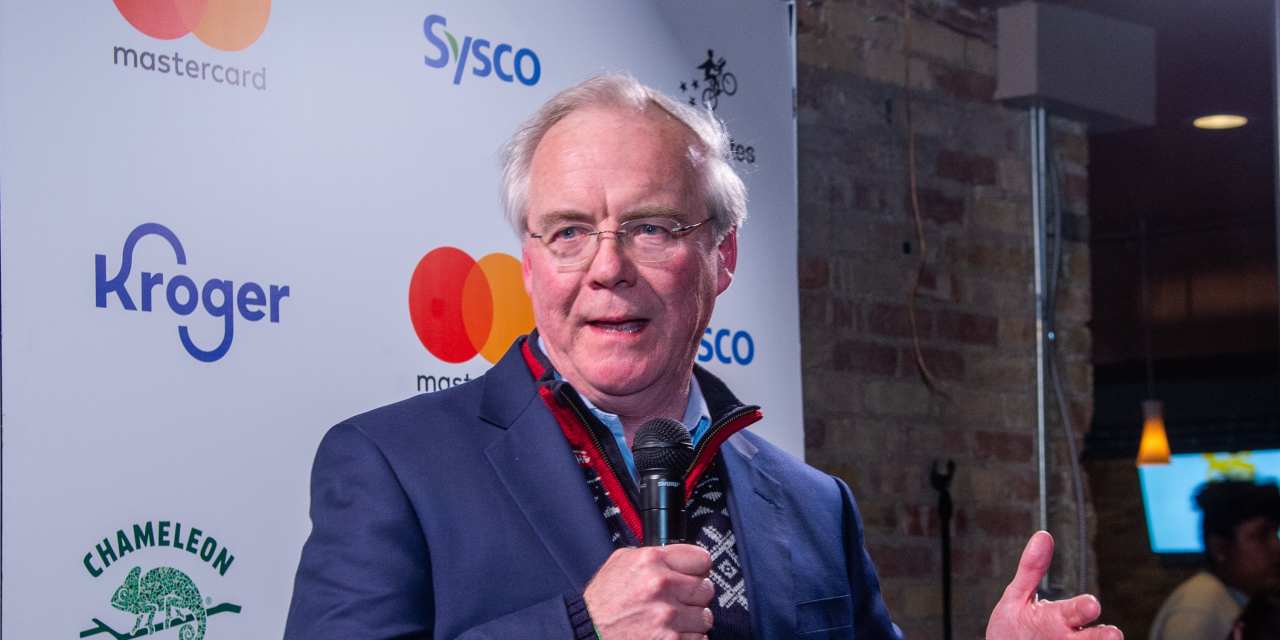
Kroger’s Leadership Shakeup: Understanding the Context of CEO Rodney McMullen’s Departure
In a shocking development that has sent ripples through the corporate world, Kroger CEO Rodney McMullen has stepped down amid allegations concerning his personal conduct. This unexpected resignation raises critical questions regarding corporate governance, ethical leadership, and the future landscape of one of America’s largest supermarket chains. As consumers and investors alike digest this news, it’s essential to explore what led to this leadership shakeup and its implications for Kroger’s operations moving forward.
The Background of Rodney McMullen
Rodney McMullen, who took the reins as CEO of Kroger in 2014, has been a significant figure in the grocery industry for decades. Having joined Kroger in 1978, McMullen steadily ascended through the ranks, showcasing his adeptness in various functions, from finance to operations. Under his leadership, Kroger expanded its digital capabilities, emphasizing online shopping and home delivery services, which became particularly crucial during the COVID-19 pandemic.
- Increased focus on e-commerce
- Expansion of organic and health-focused product lines
- Strategic acquisitions to bolster market presence
Despite these advancements, the recent allegations have overshadowed his tenure, forcing stakeholders to reconsider his legacy and the direction of the company.
The Circumstances Surrounding the Resignation
The circumstances leading to McMullen’s resignation are primarily rooted in an ongoing investigation into his personal conduct. While specific details remain sparse, initial reports suggest that the inquiry revolves around allegations that could undermine the integrity of Kroger’s leadership. In a corporate environment where transparency and ethical behavior are paramount, such claims can have severe ramifications.
According to corporate governance experts, the handling of personal conduct allegations is critical. Companies are increasingly held accountable for the actions of their leaders, and a lack of decisive action can erode public trust and investor confidence.
The Implications for Kroger
Rodney McMullen’s exit from Kroger raises several important questions about the company’s future and leadership structure. The immediate implications include:
- Leadership Transition: The appointment of an interim CEO or a permanent successor will be crucial. The new leader will need to quickly establish credibility and provide a clear vision for the company.
- Investor Confidence: Stakeholders will be watching closely to see how Kroger navigates this turbulent period. Maintaining investor confidence will require transparency and strategic communication.
- Corporate Governance: This incident underscores the need for robust corporate governance policies. Kroger may need to revisit its code of conduct and ensure that all employees, especially those in leadership positions, adhere to the highest ethical standards.
A Broader Perspective on Corporate Governance
This situation at Kroger is not unique. Across industries, companies are grappling with issues of leadership accountability and ethical conduct. The public’s expectations for corporate transparency have heightened, particularly in the wake of various scandals involving high-profile executives.
Many organizations are now adopting more stringent policies regarding leadership conduct, including:
- Regular Training: Implementing ongoing ethics training for all employees, especially those in leadership positions, to reinforce the importance of integrity.
- Whistleblower Protections: Establishing safe channels for employees to report unethical behavior without fear of retaliation.
- Board Oversight: Enhancing the role of the board of directors in monitoring executive behavior and ensuring adherence to ethical standards.
The Future of Kroger
As Kroger moves forward, the company must navigate this leadership shakeup with care. The grocery market is fiercely competitive, with rivals like Walmart and Amazon continuously innovating to capture consumer attention. Here are some strategies Kroger might consider in the wake of this transition:
- Strengthening E-commerce: With the rise in online grocery shopping, Kroger should continue to invest in its digital platforms, enhancing user experience and delivery efficiency.
- Community Engagement: Building stronger ties with local communities can enhance Kroger’s brand reputation and foster customer loyalty.
- Sustainability Initiatives: As consumers become more environmentally conscious, Kroger should reinforce its commitment to sustainability, from sourcing practices to waste reduction.
Conclusion: A Call for Ethical Leadership
The resignation of Rodney McMullen as CEO of Kroger amid personal conduct allegations is a significant event that prompts a deeper reflection on the importance of ethical leadership in corporate America. As Kroger navigates this leadership shakeup, it has an opportunity to reinforce its commitment to ethical governance, rebuild trust among stakeholders, and position itself strongly in a rapidly evolving marketplace.
Through thoughtful leadership and a renewed focus on corporate values, Kroger can emerge from this challenging period with a clearer vision and a stronger connection to its customers and employees alike. The road ahead may be challenging, but with the right strategies in place, Kroger can continue to thrive as a cornerstone of the grocery industry.
See more Business Focus Insider Team
