
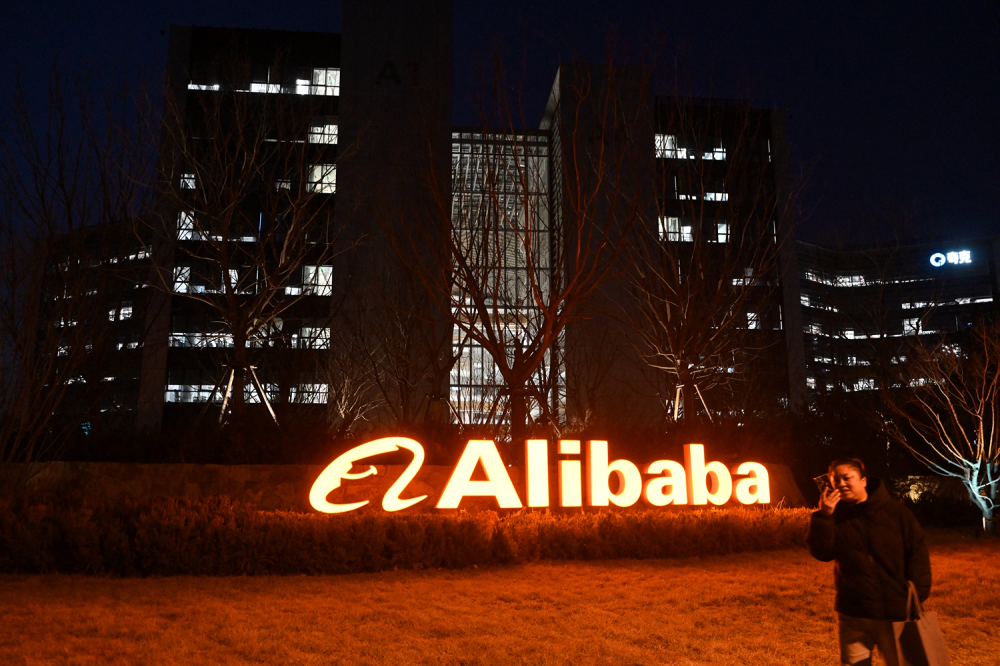
Jack Ma, a name synonymous with entrepreneurial spirit and success in the tech world, has re-emerged into the public eye after a period of relative silence. This return comes at a time of significant transformation within the Chinese business landscape, characterized by increased government regulation and a tightening grip on the private sector. As Ma steps back into the spotlight, the question on everyone’s mind is how he and other entrepreneurs will adapt to these new realities.
The Context of Jack Ma’s Return
For over two decades, Jack Ma has been a pivotal figure in the global business arena, known primarily for founding Alibaba Group, a titan in e-commerce and technology. However, in late 2020, Ma faced scrutiny from the Chinese government after a controversial speech criticizing financial regulations. This led to the abrupt halt of the Ant Group IPO, which was set to be one of the largest in history, and Ma’s subsequent disappearance from public life raised eyebrows worldwide.
As of 2023, Ma’s return marks a new chapter not only for him but for the broader narrative of Chinese entrepreneurship. His recent public appearances, including visits to schools and interactions with young entrepreneurs, suggest a shift in his approach. He appears more focused on mentoring and supporting the next generation, rather than just dominating the business sector. This change reflects a deeper understanding of the current environment in China.
The New Chinese Business Landscape
The landscape of Chinese business is evolving rapidly. Following the extensive crackdowns on major tech firms, the government has emphasized regulation and control, aiming to reshape the industry to align with its long-term goals. Key factors influencing this shift include:
- Increased Regulation: The Chinese government has implemented stringent regulations across various sectors, especially technology and finance. This has resulted in significant operational changes for companies like Alibaba and Tencent.
- Focus on National Security: The government’s focus on data security and sovereignty has led to scrutiny of foreign tech companies and collaborations.
- Support for Innovation: While regulations are tightening, the government is simultaneously pushing for innovation and self-reliance, particularly in technology and manufacturing sectors.
How Will Jack Ma Adapt?
As Jack Ma navigates this transformed landscape, his strategy is likely to incorporate several key elements:
- Engagement with the Government: Building a cooperative relationship with regulators will be essential. Ma’s public appearances may serve as a way to signal his alignment with government priorities.
- Focus on Education and Mentorship: By investing in education and nurturing young talent, Ma can establish a legacy that transcends his business ventures, positioning himself as a thought leader in the entrepreneurial space.
- Exploring New Markets: Ma may look beyond traditional e-commerce, exploring opportunities in green technology, AI, and international markets that align with China’s strategic interests.
The Future of Entrepreneurship in China
Jack Ma’s return is emblematic of a broader trend among Chinese entrepreneurs who are reevaluating their strategies in light of new regulations. As the government tightens its grip, the path forward will require adaptability and resilience. Here are some key considerations for aspiring entrepreneurs in this evolving landscape:
- Understanding Regulatory Changes: Entrepreneurs must stay informed about regulatory developments and adapt their business models accordingly.
- Building Alliances: Forming strategic partnerships with other firms, including state-owned enterprises, can provide stability and access to resources.
- Emphasizing Social Responsibility: Businesses that prioritize social impact and align with government goals are more likely to thrive.
Opportunities Amid Challenges
Despite the challenges posed by a more regulated environment, opportunities abound for those willing to innovate and adapt. The Chinese government’s emphasis on self-reliance, particularly in technology and sustainability, opens doors for entrepreneurs to explore new solutions. Areas such as renewable energy, healthcare technology, and digital finance are ripe for development.
Moreover, the global economic landscape is shifting. As businesses worldwide seek to diversify their supply chains and reduce reliance on any single country, Chinese entrepreneurs could play a pivotal role in providing alternatives that align with international standards.
Conclusion
Jack Ma’s return to the public eye symbolizes a crucial moment for Chinese business leaders navigating an increasingly regulated environment. His commitment to mentorship and innovation could inspire others to adapt and thrive amid these changes. As the Chinese government continues to reshape the business landscape, a new generation of entrepreneurs will undoubtedly emerge, equipped with the insights and resilience necessary to succeed in this new era.
As we look to the future, the question remains: how will other entrepreneurs follow in Ma’s footsteps, balancing compliance with the spirit of innovation? The answer may well define the next chapter of entrepreneurship in China.
See more Business Focus Insider Team
