
From Infomercials to Influencers: The Evolution of Direct Sales in the Digital Age
In the landscape of modern marketing, the transition from late-night infomercials to today’s social media influencers marks a significant evolution in direct sales. This transformation illustrates how consumer engagement has shifted dramatically, driven by the advent of digital platforms and the rise of new marketing strategies. As we explore this evolution, it’s essential to understand how these changes have reshaped the way products are sold and how consumers interact with brands.
The Era of Infomercials
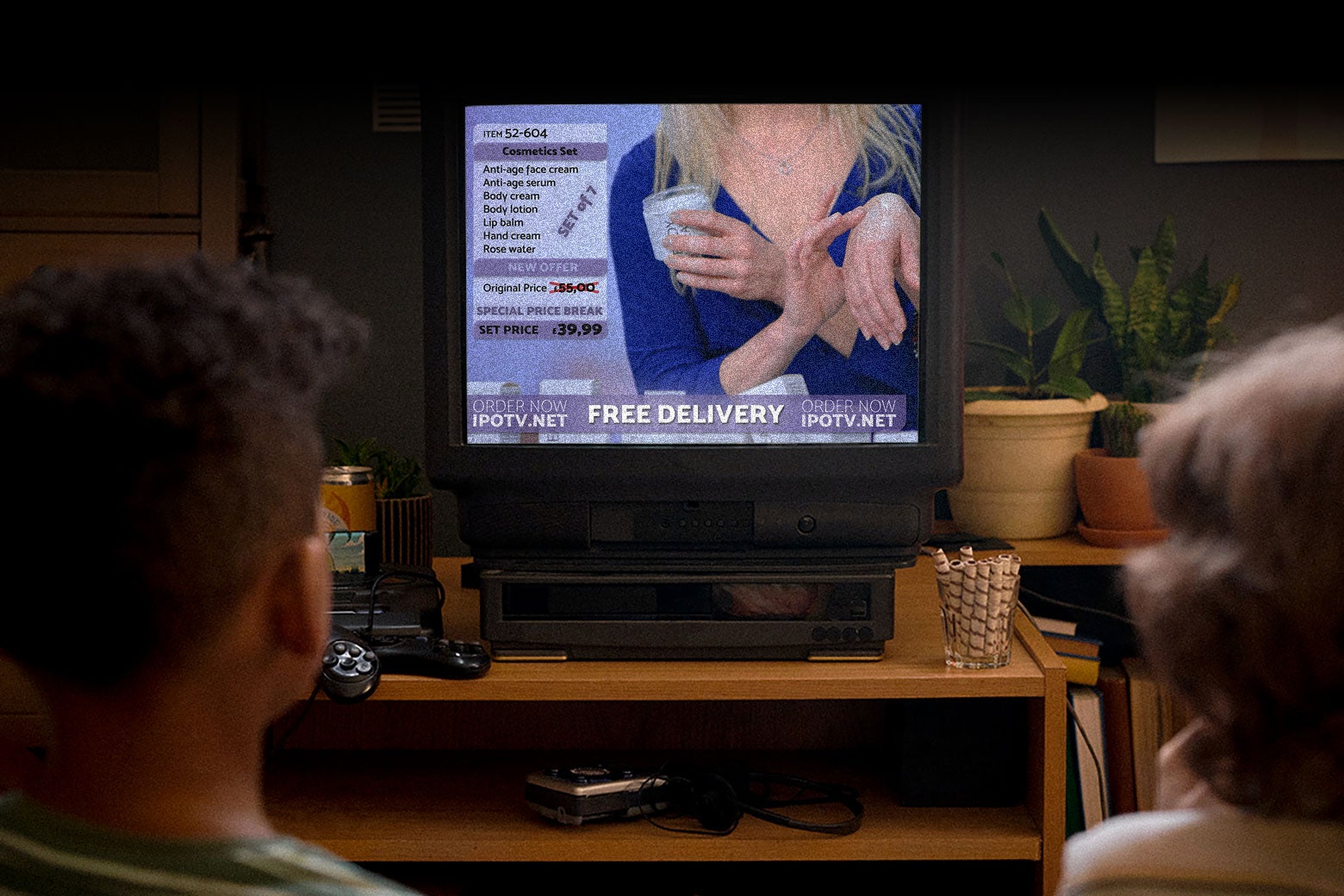
Infomercials, those engaging and often over-the-top TV segments, emerged in the late 20th century as a novel way to sell products directly to consumers. They allowed brands to showcase their products in detail, often featuring demonstrations, testimonials, and limited-time offers. This format was particularly effective for products that required explanation or visual demonstration, such as kitchen gadgets, fitness equipment, and beauty products.
Late-night infomercials created a unique consumer experience. They appealed to insomniacs and late-night viewers, often using urgency and emotional appeal to encourage immediate purchases. Viewers could call a toll-free number or visit a website, often incentivized with deals that seemed too good to pass up.
- Key Features of Infomercials:
- Extended product demonstrations
- Testimonials from satisfied customers
- Limited-time offers creating urgency
- Direct response options (phone calls, websites)
The Transition to Digital and Social Media
As television viewership began to decline in favor of digital content, the marketing landscape had to adapt. The rise of the internet ushered in a new era of marketing, characterized by social media platforms that allowed brands to connect with consumers in real-time. This shift laid the groundwork for a new generation of direct sales strategies.
Today, social media influencers are the modern-day equivalents of infomercial hosts. They leverage platforms like Instagram, TikTok, and YouTube to showcase products to their followers, often with a more personal and relatable touch than traditional advertising methods. Influencers create content that engages their audience, blending entertainment with product promotion seamlessly.
- Benefits of Influencer Marketing:
- Authenticity: Influencers often have a loyal following that trusts their recommendations.
- Targeted Reach: Brands can partner with influencers who align with their target demographic.
- Engagement: Social media allows for direct interaction between consumers and brands.
- Cost-Effectiveness: Collaborating with influencers can be more affordable than traditional advertising.
Consumer Engagement in the Digital Age
The evolution from infomercials to influencers has fundamentally altered how brands engage with consumers. In the past, infomercials relied heavily on one-way communication. Consumers were passive viewers, absorbing information without engagement. Today, however, consumers expect interaction.
Social media platforms facilitate a two-way conversation. Consumers can comment, share, and ask questions, creating a sense of community around brands. This engagement fosters loyalty and encourages repeat purchases, as consumers feel more connected to the brand and its representatives.
The Power of User-Generated Content
Another significant shift in the landscape of direct sales is the rise of user-generated content (UGC). Influencers often encourage their followers to share their experiences with products, creating a wealth of authentic content that brands can leverage. This grassroots marketing approach not only boosts brand visibility but also enhances credibility.
For instance, when customers post reviews, photos, or videos showcasing their use of a product, it serves as social proof, influencing potential buyers. This organic form of marketing can be incredibly impactful, often outperforming traditional advertising methods.
Challenges and Considerations
While the evolution from infomercials to influencers has opened up new opportunities, it is not without challenges. Brands must navigate the complexities of influencer partnerships, ensuring that their messages are authentic and resonate with the influencer’s audience. Additionally, transparency around sponsored content has become crucial, as consumers demand honesty from the brands and influencers they support.
Moreover, with the rise of influencer marketing, saturation has become a concern. Brands must differentiate themselves in a crowded market, often requiring innovative strategies to capture consumer attention. This can involve collaborating with micro-influencers who may have smaller but highly engaged followings, or creating unique and compelling content that stands out in feeds flooded with promotional material.
Future Trends in Direct Sales
Looking ahead, the direct sales landscape will likely continue to evolve as technology advances. Here are a few trends to watch:
- Augmented Reality (AR): Brands are beginning to use AR to create immersive shopping experiences, allowing consumers to visualize products in their own environments before purchasing.
- Personalization: Leveraging data analytics, brands can create highly personalized marketing strategies, targeting consumers based on their preferences and behaviors.
- Live Streaming Sales: Platforms like Facebook Live and Instagram Live are becoming popular for real-time sales events, where influencers can showcase products and engage with viewers instantly.
Conclusion
The journey from infomercials to influencers is a testament to the dynamic nature of direct sales in the digital age. This evolution highlights a significant paradigm shift in consumer engagement, emphasizing the power of authentic connections and interactive marketing strategies. As brands continue to adapt to the digital landscape, understanding these trends will be crucial for navigating the future of direct sales.
In this ever-changing environment, the key takeaway is clear: to thrive, brands must focus on building genuine relationships with their consumers, leveraging the unique advantages of digital platforms and the influence of trusted voices in their marketing strategies.
See more Business Focus Insider Team
