
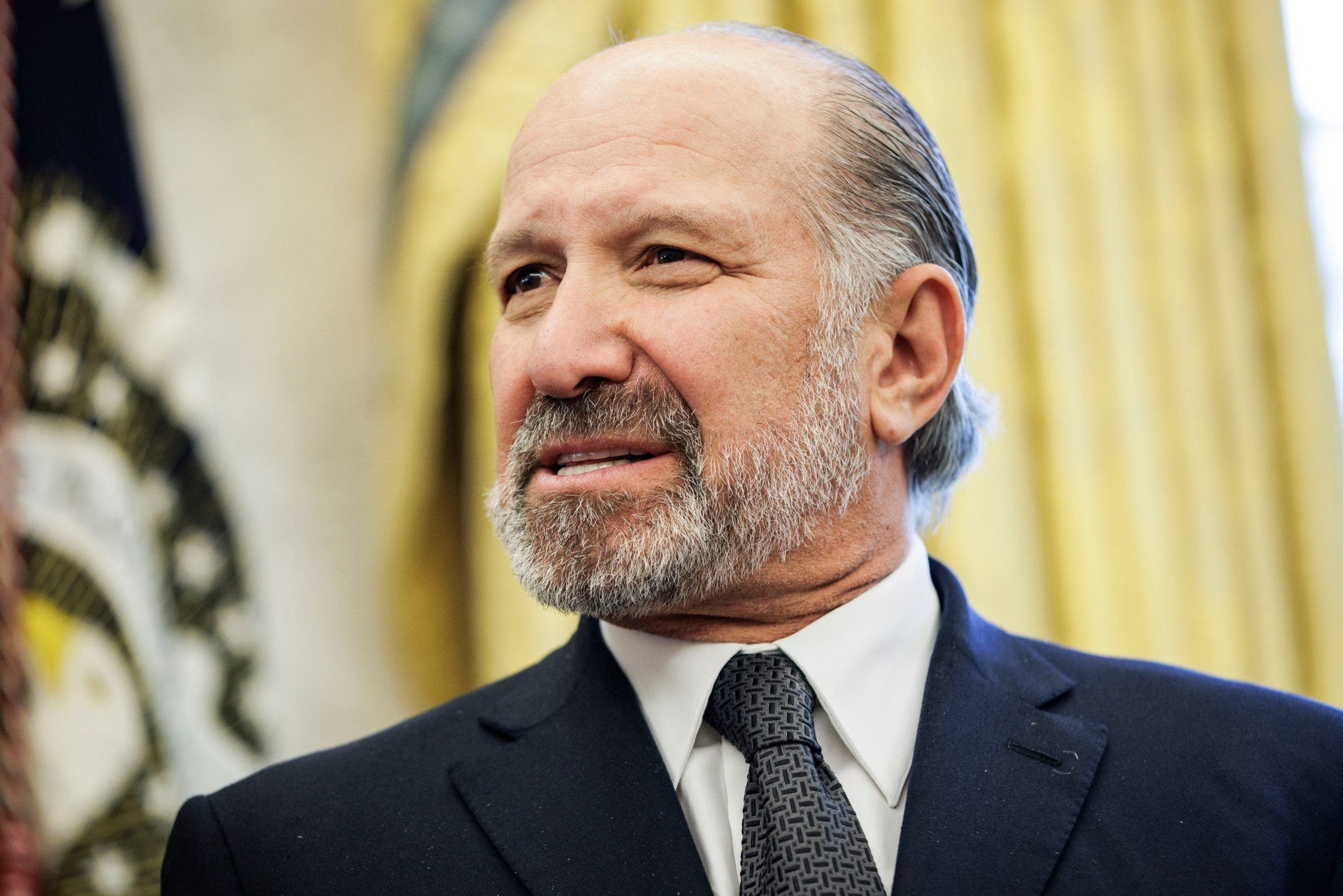
Howard Lutnick Takes the Helm as Trump’s Commerce Secretary
In a surprising move, Howard Lutnick has been appointed as the new Commerce Secretary under the Trump administration. This decision raises questions about potential shifts in economic policy and its impact on businesses nationwide. Lutnick, best known as the CEO of Cantor Fitzgerald, brings a wealth of experience in finance and business leadership, which may significantly influence the direction of U.S. commerce during his tenure.
Who is Howard Lutnick?
Howard Lutnick is a renowned American businessman and the chairman and CEO of Cantor Fitzgerald, a global financial services firm. His career has been marked by resilience and innovation, particularly after the tragic events of September 11, 2001, when Cantor Fitzgerald lost 658 employees in the attacks on the World Trade Center. Lutnick’s leadership during this crisis not only saved the firm but also transformed it into a robust player in the financial industry. His experience navigating complex financial landscapes and his understanding of market dynamics have positioned him as a significant figure in the business community.
What His Appointment Means for U.S. Commerce
With Howard Lutnick taking charge as Commerce Secretary, businesses across the nation are keenly observing how his leadership might reshape economic policies. Here are several key areas where his influence could be particularly impactful:
- Trade Relations: Lutnick’s background in finance and his global business connections could lead to more strategic trade agreements. This might benefit American exporters and create new opportunities for businesses looking to expand internationally.
- Regulatory Environment: Lutnick has been an advocate for deregulation in various sectors. His approach could foster a more business-friendly environment, potentially easing burdens on small and medium-sized enterprises.
- Technology and Innovation: Given the rapid advancements in technology, Lutnick may prioritize initiatives that promote innovation and support tech startups, ensuring the U.S. remains competitive in a global market.
- Economic Recovery: As the nation continues to recover from the economic impacts of the COVID-19 pandemic, Lutnick’s experience in crisis management could be invaluable in developing policies aimed at stimulating growth and job creation.
Potential Challenges Ahead
While Lutnick’s appointment is met with optimism, there are challenges that he will need to navigate effectively:
- Political Dynamics: The current political climate is polarized. Lutnick will need to work across the aisle to garner support for his initiatives, which may prove challenging in a divided Congress.
- Public Perception: Lutnick’s appointment might raise questions regarding his ties to Wall Street and the financial sector, potentially leading to scrutiny from those who advocate for greater accountability and transparency in business practices.
- Global Economic Uncertainty: The ongoing global economic instability, including supply chain disruptions and inflationary pressures, will pose further challenges that Lutnick must address to ensure a stable economic environment.
Impact on Small Businesses
Small businesses are the backbone of the American economy, and Lutnick’s policies could have significant implications for this sector. Here are some potential impacts:
- Access to Capital: Lutnick may focus on improving access to financing for small businesses, which has been a major hurdle for many entrepreneurs. Initiatives aimed at providing loans or grants could support growth and innovation.
- Support for Local Economies: By promoting policies that encourage local sourcing and production, Lutnick could help small businesses thrive in their communities.
- Workforce Development: Investing in training programs and workforce development could enhance the skills of the labor force, benefiting small businesses that struggle to find qualified employees.
Business Leaders’ Perspectives
Business leaders across the nation have expressed a mix of anticipation and caution regarding Lutnick’s appointment. Many see him as a pragmatic leader who understands the complexities of the market. According to a recent survey conducted by the National Federation of Independent Business (NFIB), a significant percentage of small business owners are hopeful that Lutnick will prioritize their interests in economic policymaking.
“Lutnick’s experience in finance and crisis management could bring a fresh perspective to the Commerce Department,” said a spokesperson from the NFIB. “We’re looking for someone who understands the challenges we face and can advocate for policies that will foster growth.”
Looking Ahead: A Vision for U.S. Commerce
As Howard Lutnick steps into his role as Commerce Secretary, the business community is eager to see how his vision will unfold. His tenure could mark a pivotal shift in U.S. economic policy, emphasizing growth, innovation, and a closer alignment with the needs of businesses.
In conclusion, Howard Lutnick’s appointment as Trump’s Commerce Secretary is a significant development that could reshape the landscape of U.S. commerce. With his extensive experience and understanding of the financial sector, Lutnick is poised to tackle the challenges of trade, regulation, and economic recovery. The implications of his leadership will be felt across industries, and as businesses adapt to the changing environment, the hope is that Lutnick’s policies will foster a robust and dynamic economy for all.
See more Business Focus Insider Team
