
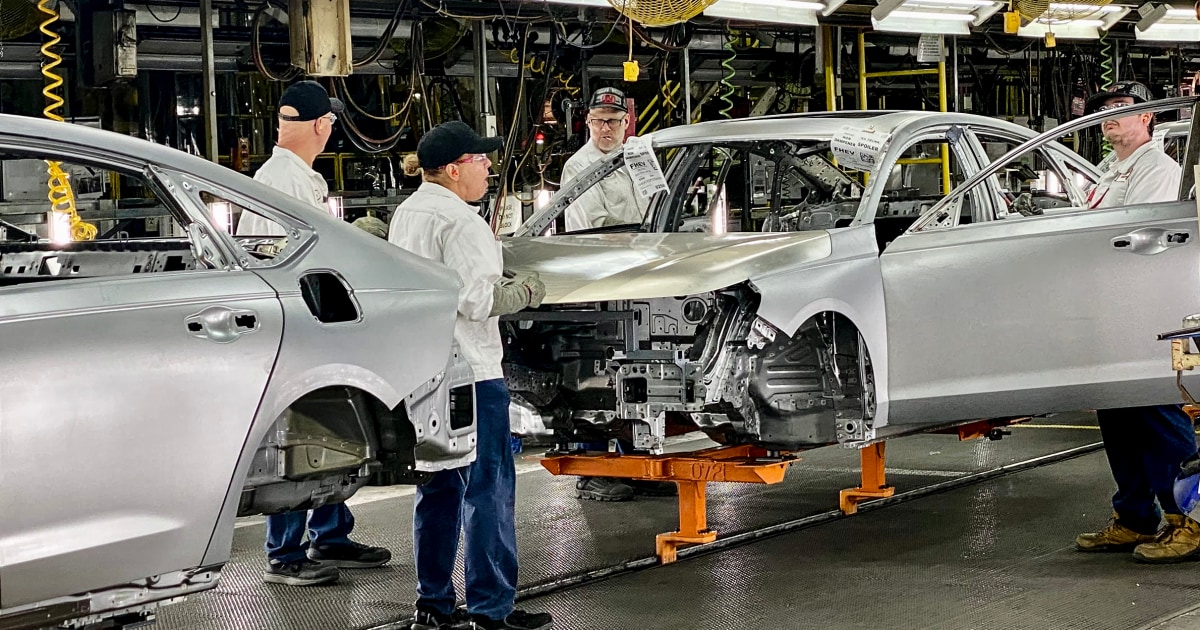
Honda’s $1 Billion Bet: Transforming Ohio into an EV Production Powerhouse
In a bold move that signals a significant shift in the automotive landscape, Honda has committed $1 billion to transform Ohio into a leading electric vehicle (EV) production hub. This initiative not only aims to enhance Honda’s position in the burgeoning EV market but also represents a broader trend of reshaping the manufacturing landscape in the United States. As the world moves towards greener technologies, Honda’s investment is poised to play a crucial role in this transition, bringing economic growth and job creation to the region.
The Rationale Behind the Investment
Honda’s decision to invest heavily in Ohio stems from a confluence of factors. First and foremost, the automotive industry is undergoing a seismic shift towards electrification. With consumer demand for electric vehicles soaring and regulatory pressures increasing, automakers are racing to adapt. By investing in Ohio, Honda is positioning itself to meet these challenges head-on.
Ohio has long been a manufacturing stronghold for Honda, with the company operating several plants in the state. This existing infrastructure, combined with a skilled workforce, makes Ohio an ideal location for expanding EV production. By leveraging local talent and resources, Honda can streamline operations and reduce costs, ultimately enhancing its competitiveness in the EV market.
Investment Details and Plans
The $1 billion investment will be allocated across various initiatives aimed at enhancing Honda’s production capabilities for electric vehicles. This includes:
- New Manufacturing Facilities: Honda plans to build new production lines specifically designed for electric vehicles, which will incorporate cutting-edge technology and sustainable practices.
- Research and Development: A portion of the investment will be directed towards R&D efforts, focusing on battery technology and innovative EV designs that meet consumer expectations.
- Job Creation: The initiative is expected to create thousands of new jobs in the region, contributing to local economies and fostering a skilled workforce tailored to the future of automotive manufacturing.
Economic Impact on Ohio
The implications of Honda’s investment extend far beyond the company itself. The economic impact on Ohio is projected to be substantial. The influx of capital and the creation of jobs will energize local economies, particularly in areas surrounding Honda’s manufacturing facilities.
Additionally, the investment is expected to attract suppliers and related businesses to the region, creating a robust ecosystem around EV manufacturing. This ripple effect could lead to:
- Increased Economic Activity: A surge in local business activity as new suppliers and service providers enter the market.
- Strengthened Workforce: Opportunities for training and skill development in advanced manufacturing techniques related to electric vehicle production.
- Long-Term Growth: Establishing Ohio as a key player in the EV market could lead to sustained economic growth over the coming decades.
Sustainability and Future Trends
Honda’s commitment to transforming Ohio into an EV production powerhouse aligns with the growing emphasis on sustainability in the automotive industry. As environmental concerns continue to rise, consumers are increasingly seeking eco-friendly transportation options. Honda’s investment supports the global trend towards electrification, helping to reduce carbon emissions and promote cleaner air.
Moreover, this investment reflects a broader industry shift towards sustainable manufacturing practices. Honda is not only focusing on the vehicles themselves but also on the methods of production. Incorporating renewable energy sources and minimizing waste during manufacturing processes are key components of Honda’s strategy.
Challenges and Considerations
While the prospects of Honda’s investment are promising, there are challenges that need to be navigated. The transition to electric vehicle manufacturing requires significant shifts in technology and workforce skills. Ensuring that the current workforce is adequately trained to handle new technologies will be crucial.
Additionally, the automotive industry faces fierce competition from other manufacturers, particularly those that have already established a strong foothold in the EV market. Honda will need to innovate continually and adapt to changing consumer preferences to maintain its competitive edge.
Consumer Confidence and Market Trends
Consumer confidence in electric vehicles has been steadily rising, driven by increased awareness of environmental issues and advancements in EV technology. Honda’s commitment to EV production in Ohio is likely to bolster consumer trust in the brand as it transitions from traditional combustion engines to electric solutions.
Key market trends influencing this shift include:
- Technological Advancements: Innovations in battery technology and charging infrastructure are making electric vehicles more appealing and practical for consumers.
- Government Incentives: Various federal and state incentives for EV purchases are encouraging consumers to consider electric options.
- Corporate Social Responsibility: Increasingly, consumers prefer brands that demonstrate a commitment to sustainability and social responsibility.
Conclusion: A Vision for the Future
Honda’s $1 billion bet on transforming Ohio into an EV production powerhouse signifies a critical juncture in the automotive industry’s evolution. As Honda seeks to enhance its capabilities in a rapidly changing market, this investment not only positions the company as a leader in the electric vehicle space but also promises to revitalize the Ohio economy through job creation and innovation.
The commitment to sustainability, technological advancement, and community engagement paints a hopeful picture for the future of both Honda and the automotive industry at large. As the world accelerates towards electrification, investments like Honda’s in Ohio will be pivotal in shaping the landscape of modern transportation.
See more Business Focus Insider Team
