
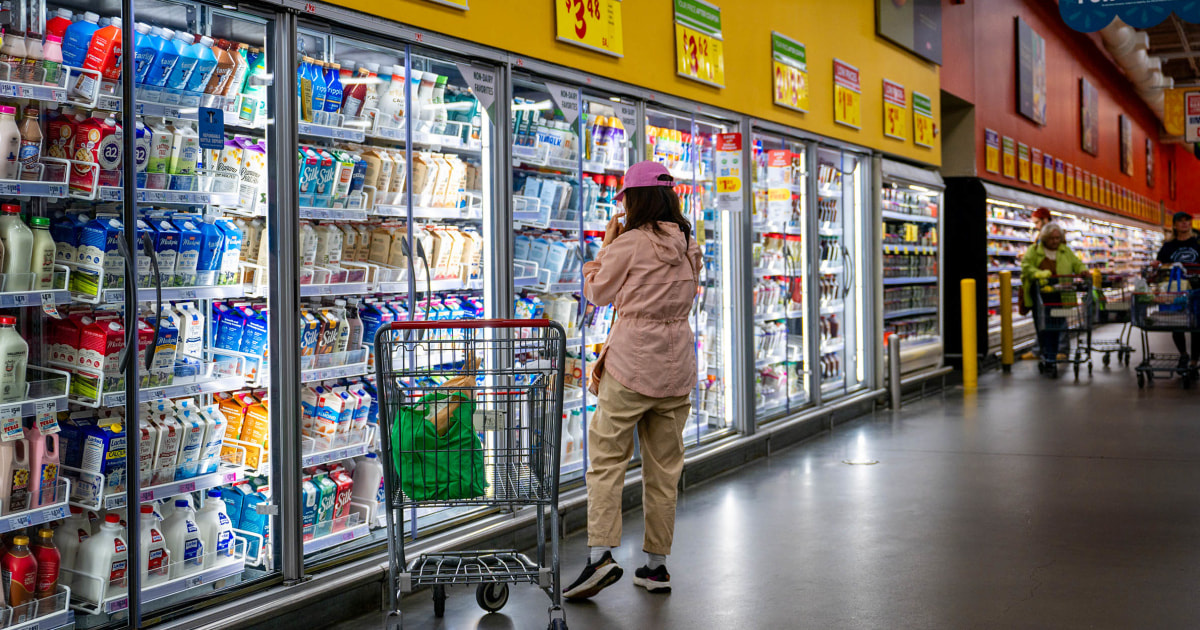
The Shift in Hispanic Grocery Spending: A Wake-Up Call for Consumer Brands
Hispanic consumers, long considered a growth engine for grocery retailers and consumer brands, are tightening their budgets amid economic pressures, forcing companies to rethink their strategies. Over the past year, inflation and rising living costs have led Hispanic households to prioritize essentials, reduce discretionary spending, and switch to value brands. This trend, observed across major U.S. markets, signals a profound shift in purchasing behavior that could reshape the consumer goods landscape. Brands failing to adapt risk losing traction with this critical demographic.
Economic Pressures Drive Behavioral Changes
Recent data from NielsenIQ reveals Hispanic grocery spending growth slowed to 3.2% in Q2 2023, compared to 8.7% during the same period in 2021. Meanwhile, the Bureau of Labor Statistics reports food-at-home prices for Hispanic households rose 11.3% year-over-year—outpacing the national average. These pressures have created a ripple effect:
- Brand switching: 42% of Hispanic shoppers now buy more store-brand products (Acosta Group)
- Bulk purchasing: Club store memberships among Hispanics grew 18% since 2020 (Circana)
- Meal stretching: 67% report cooking more at home with cheaper ingredients (Mintel)
“This isn’t just about price sensitivity—it’s a fundamental reassessment of value,” notes Dr. Elena Ruiz, consumer economist at the University of Texas. “Brands that assume brand loyalty will override economic realities are in for a rude awakening.”
Cultural Nuances Compound the Challenge
The spending shift carries unique dimensions within Hispanic communities. Traditional grocery baskets—heavy on fresh produce, meats, and authentic ingredients—are being modified, not abandoned. Shoppers are:
- Substituting imported brands with U.S.-made alternatives
- Buying smaller quantities of premium items like queso fresco or chorizo
- Increasing purchases of shelf-stable Latino staples (e.g., dried chiles, canned goods)
Mariana Ortiz, a Miami-based retail consultant, observes: “Abuela might still insist on Goya adobo, but she’s now comparing unit prices with McCormick. Younger generations are even more pragmatic—they’ll try store-brand tortillas if the savings are substantial.”
How Brands Are Responding (or Failing To)
Forward-thinking companies are implementing multipronged strategies:
Price architecture adjustments: PepsiCo introduced smaller, affordable bags of Sabritas chips while maintaining premium lines. “It’s about offering entry points without devaluing the brand,” explains Carlos Mendoza, their Latino marketing VP.
Cultural value messaging: Some brands emphasize heritage connections in ads while highlighting affordability. Badia Spices’ “Sabor que no cuesta” (Flavor that doesn’t cost) campaign increased market share by 5% in key markets.
However, many brands still rely on outdated approaches:
- Generic Spanish-language translations of mainstream campaigns
- Assumptions that nostalgia alone drives purchases
- Limited engagement with digital coupon platforms popular with Hispanic shoppers
The Digital Influence Factor
Hispanic consumers over-index on mobile deal-seeking—a trend accelerating during the pullback. Key findings:
- 58% use grocery apps weekly vs. 41% of non-Hispanics (RetailMeNot)
- YouTube recipe searches for “budget Latino meals” grew 240% in 2023
- Facebook Marketplace now influences 32% of Hispanic grocery purchases
“Digital platforms have become the new mercadito,” says tech analyst Luis Gutierrez. “Brands need a presence where price comparisons and recommendations happen—not just on store shelves.”
Long-Term Implications for the Market
This spending evolution may permanently alter the landscape:
- Private label growth: Retailers like H-E-B and Kroger expanding culturally relevant store brands
- Format innovation: More combo packs and meal-starter kits at mid-tier price points
- Channel shifts: Discount grocers and ethnic supermarkets gaining share
As Univision’s retail analyst Sofia Jimenez warns: “Brands that view this as temporary belt-tightening will lose ground. The companies winning will be those reimagining value propositions through a cultural lens.”
Actionable Takeaways for Brands
To stay competitive, companies should:
- Audit price gaps versus store brands in key Hispanic pantry categories
- Develop digital coupon strategies tailored to Hispanic deal-seeking behaviors
- Create smaller SKUs for trial without sacrificing perceived value
- Leverage micro-influencers to demonstrate budget-friendly usage occasions
The Hispanic grocery pullback serves as both warning and opportunity. Brands that combine cultural intelligence with pragmatic pricing will not only weather this shift but emerge stronger. Those clinging to old paradigms may find themselves missing from shopping carts—and quarterly earnings reports.
For deeper insights, download our free report on “2024 Latino Consumer Grocery Trends” with exclusive data and case studies.
See more Business Focus Insider Team
