
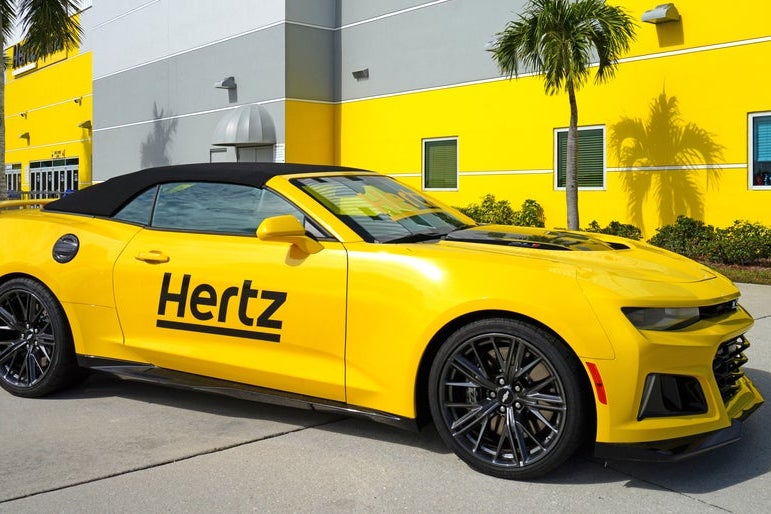
Hertz Shifts Gears: Understanding Fleet Rotation in Its EV Strategy
After selling an impressive 30,000 electric vehicles (EVs), Hertz is now pivoting towards a strategic fleet rotation to minimize losses and adapt to the evolving landscape of electric mobility in rental services. This bold move not only aims to optimize Hertz’s operational efficiency but also raises intriguing questions about the future of electric vehicles in the rental market. As the world shifts towards sustainability, how will Hertz navigate these changes while meeting customer demands and managing costs?
The Context of Hertz’s EV Strategy
Hertz, a well-known name in the car rental industry, made headlines when it announced its commitment to electrifying its fleet. The initial excitement surrounding this move was fueled by a growing awareness of environmental issues and a shift in consumer preferences towards greener travel options. By selling 30,000 EVs, Hertz positioned itself as a leader in the transition towards electric mobility, a move that was welcomed by both environmentally conscious customers and investors.
However, the reality of maintaining a large fleet of electric vehicles has proven to be more complex than anticipated. The challenges associated with charging infrastructure, fluctuating demand, and the high upfront costs of EVs have prompted Hertz to reevaluate its strategy. Fleet rotation offers a potential solution, allowing the company to manage its assets more effectively while still tapping into the lucrative EV market.
The Concept of Fleet Rotation
Fleet rotation involves periodically updating and diversifying the vehicles within a rental company’s fleet to optimize performance and minimize losses. For Hertz, this strategy could mean rotating its electric vehicles based on a variety of factors, including:
- Utilization Rates: Monitoring how frequently each vehicle is rented can help Hertz identify underperforming models that may need to be rotated out of the fleet.
- Market Demand: As consumer preferences shift, Hertz can adjust its fleet to include more popular EV models, ensuring it meets demand while minimizing excess inventory.
- Maintenance Costs: Older vehicles or those requiring frequent repairs can be rotated out in favor of newer, more efficient models, reducing operational expenses.
This strategic approach not only enhances Hertz’s operational efficiency but also positions the company to capitalize on emerging trends in the EV market. By rotating its fleet, Hertz can ensure that it remains competitive and relevant in a rapidly changing industry.
Implications for Electric Mobility in Rental Services
The decision to implement a fleet rotation strategy is significant, not just for Hertz but for the entire rental car industry. As more companies explore electric vehicles, the question arises: how will fleet rotation impact the future of electric mobility in rental services?
1. Enhanced Customer Experience
By rotating its fleet, Hertz can provide customers with access to the latest EV models equipped with the most advanced technology and features. This can enhance the overall customer experience, as renters are more likely to choose a rental service that offers newer, more reliable vehicles. Furthermore, a diversified fleet can cater to a wider range of customer preferences, from eco-conscious travelers to tech-savvy individuals seeking the latest innovations in electric mobility.
2. Environmental Impact
Hertz’s commitment to a rotating fleet of electric vehicles aligns with broader sustainability goals. By continually updating its fleet, the company can ensure that it is using the most energy-efficient models available. This not only reduces the carbon footprint of its operations but also sets a positive example for the industry, encouraging other rental services to follow suit.
3. Economic Viability
Electric vehicles often come with higher initial costs, but they can lead to significant long-term savings through lower fuel and maintenance expenses. By implementing a fleet rotation strategy, Hertz can mitigate the financial risks associated with EV ownership. Regularly updating its fleet can also help the company take advantage of incentives and rebates for electric vehicles, further enhancing its economic viability.
Challenges and Considerations
While fleet rotation presents numerous benefits, there are also challenges that Hertz must navigate. Some of these include:
- Charging Infrastructure: A robust charging network is essential for the success of EV rentals. Hertz must continue to invest in partnerships with charging providers to ensure that its vehicles are easily accessible to customers.
- Market Volatility: The demand for electric vehicles can fluctuate based on various factors, including fuel prices and economic conditions. Hertz will need to remain agile and responsive to these changes to effectively manage its fleet.
- Consumer Education: Many customers may still be unfamiliar with electric vehicles. Hertz has an opportunity to educate its customers on the benefits of EVs, addressing common concerns and misconceptions to encourage rentals.
The Future of Hertz and Electric Mobility
As Hertz shifts gears with its fleet rotation strategy, the company stands at the forefront of the electric mobility revolution in the rental industry. By embracing this innovative approach, Hertz not only positions itself for economic success but also contributes to a more sustainable future.
The company’s ability to adapt to market changes and customer preferences will be critical in determining its success. As the landscape of transportation continues to evolve, Hertz’s proactive measures can serve as a blueprint for other companies in the industry.
Conclusion
Hertz’s strategic pivot towards fleet rotation marks a significant moment in the evolution of electric mobility in rental services. By focusing on optimizing its fleet, minimizing losses, and enhancing the customer experience, Hertz is not just reacting to market pressures but actively shaping the future of transportation. The road ahead is filled with opportunities and challenges, but with a commitment to innovation and sustainability, Hertz is poised to lead the charge in the electric vehicle rental market.
As we witness this transformation, the question remains: how will other rental services adapt to this new paradigm, and what future innovations will emerge from this shift towards electric mobility?
See more Business Focus Insider Team
