
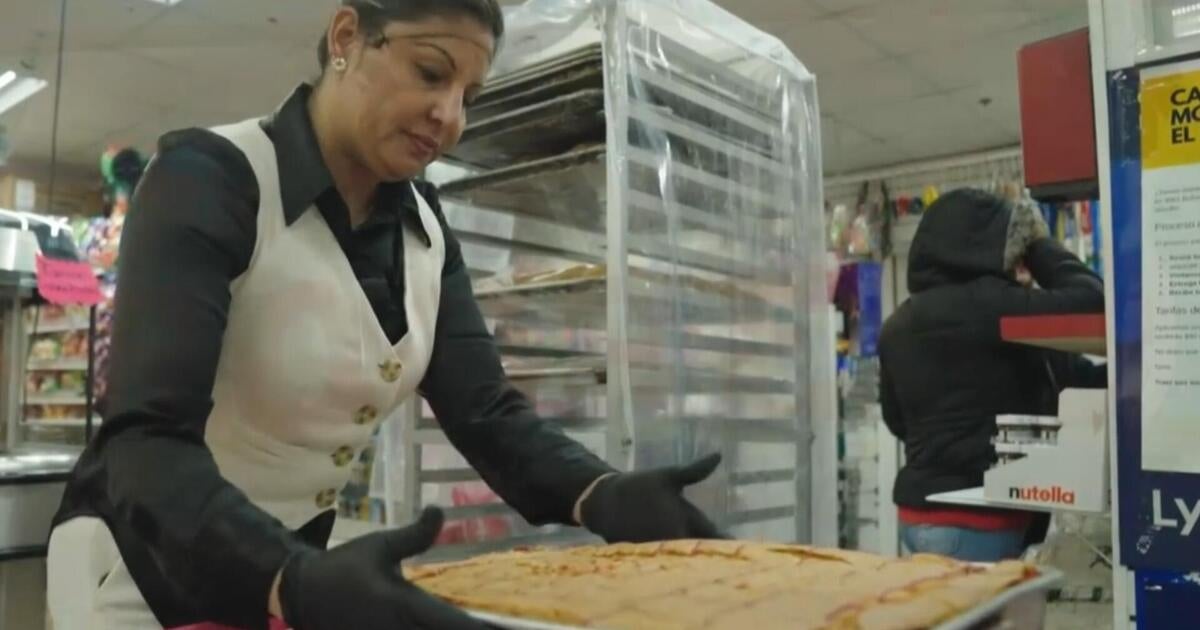
As immigration policies tighten, grocery store owners who depend on undocumented workers face an uncertain future. This article explores the implications for businesses and communities alike, shedding light on the intricate web of challenges and opportunities that arise from these shifting dynamics.
The Landscape of Grocery Stores and Immigration
In many communities across the United States, grocery stores serve as essential hubs for daily life. They provide not only food and household supplies but also a sense of community. However, the backbone of many of these establishments has been a workforce composed significantly of undocumented immigrants. As immigration policies evolve, these grocery store owners must navigate the uncertainty that looms over their operations.
Research indicates that approximately 1.4 million undocumented immigrants work in the food and agricultural sectors, with a significant portion employed in grocery stores. This reliance on undocumented labor has been both a boon and a challenge for many business owners.
The Economic Implications of Tightening Immigration Policies
As the government implements stricter immigration policies, grocery store owners find themselves facing a myriad of economic challenges. Here are some of the consequences:
- Labor Shortages: With a reduced pool of workers, grocery stores may struggle to maintain adequate staffing levels. This can lead to longer lines, decreased customer satisfaction, and ultimately, a drop in sales.
- Increased Operational Costs: Owners may need to offer higher wages to attract available workers, which can strain tight profit margins. This is particularly concerning for small, independent grocery stores that already operate on thin margins.
- Compliance Costs: Navigating new immigration laws can create additional administrative burdens. Grocery store owners may need to invest in compliance training and legal advice to avoid penalties.
Impact on Communities
The grocery store is often more than just a business; it’s a community staple. The implications of losing undocumented workers extend beyond the store’s walls. Here’s how communities are affected:
- Food Access: In many neighborhoods, grocery stores are the primary source of fresh produce and essential goods. A decline in store operations due to labor shortages can lead to food deserts, where residents have limited access to nutritious food.
- Economic Ripple Effects: Grocery stores contribute significantly to local economies. If these businesses falter, it can lead to job losses, reduced local spending, and a decline in community services.
- Social Cohesion: Many grocery stores foster a sense of belonging and community. The loss of these establishments can erode social networks and community ties.
Adapting to Change: Strategies for Grocery Store Owners
While the situation seems daunting, grocery store owners can adopt various strategies to navigate these uncertain times:
- Diversifying the Workforce: Business owners can explore hiring individuals from different backgrounds and communities, potentially expanding their labor pool beyond undocumented workers.
- Automation and Technology: Investing in technology, such as self-checkout systems, can help alleviate some labor shortages. While this isn’t a complete solution, it can mitigate the impact of reduced staffing.
- Community Engagement: Building relationships within the community can lead to a more loyal customer base. Grocery store owners should engage with local organizations, schools, and community groups to strengthen these ties.
- Advocacy: Grocery store owners can advocate for policies that support their workforce. Collaborating with local chambers of commerce or immigrant rights organizations can amplify their voices in the political arena.
Legal Considerations and Compliance
As immigration laws fluctuate, grocery store owners must stay informed about legal requirements. Here are some key considerations:
- Understanding Employment Laws: Stay updated on labor laws, including worker rights and employer obligations. This knowledge is vital to avoid legal repercussions.
- Employee Verification: Implementing a robust employee verification process can help ensure compliance with immigration laws. This includes using the E-Verify system to confirm the eligibility of workers.
- Legal Assistance: Consulting with an immigration attorney can provide clarity on navigating complex immigration issues. This investment can save time and resources in the long run.
Looking Ahead: Opportunities Amidst Challenges
Despite the challenges posed by tightening immigration policies, grocery store owners can also find opportunities for growth and innovation:
- Embracing Local Sourcing: By sourcing products locally, grocery stores can reduce dependency on larger supply chains, making them more resilient to labor shortages.
- Expanding Online Presence: The rise of e-commerce has transformed how grocery stores operate. Establishing an online platform can attract new customers and facilitate order delivery or pickup.
- Community-Centric Initiatives: Implementing programs that support local farmers and producers can enhance community involvement and loyalty, further solidifying the store’s role as a community hub.
Conclusion
Navigating uncertainty in the grocery business amid immigration challenges is no small feat. However, with strategic planning, community engagement, and a commitment to adaptability, grocery store owners can not only survive but thrive in this evolving landscape. By embracing the uniqueness of their communities and fostering inclusive practices, these business owners can create a resilient future for themselves and their neighborhoods.
As we look ahead, it’s essential to remember that the grocery store is often a reflection of the community it serves. By working together, owners and residents can turn challenges into opportunities, ensuring that these vital establishments continue to flourish in the face of change.
See more Business Focus Insider Team
