
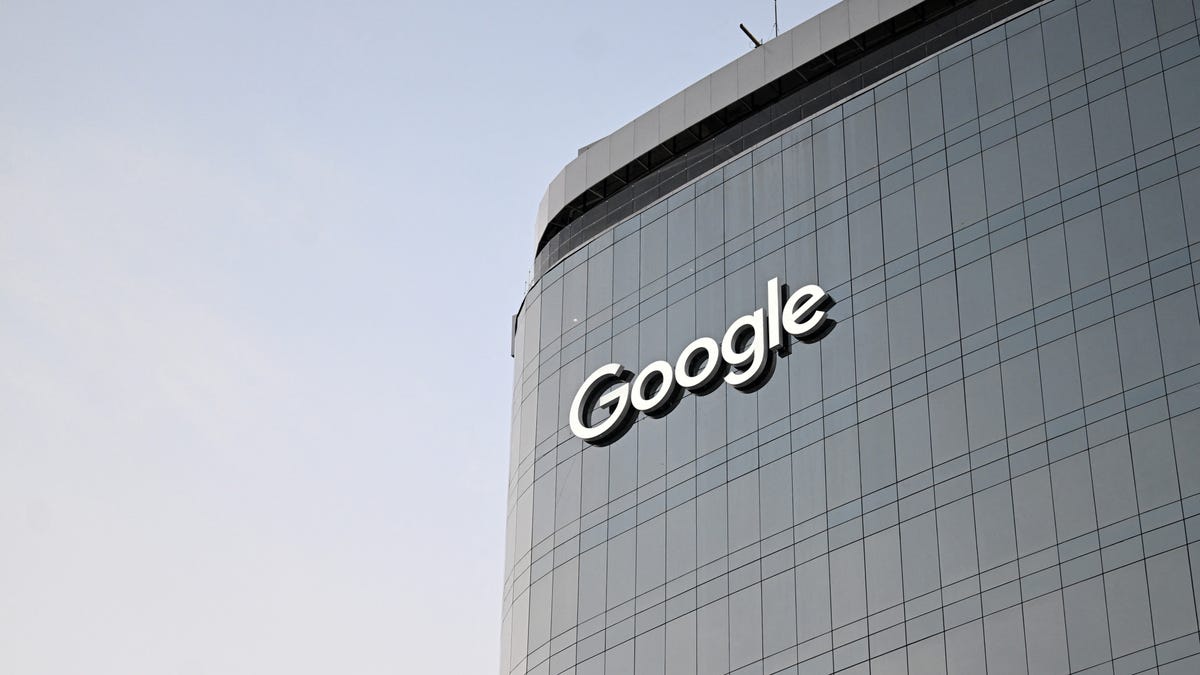
Google Shifts Gears: The End of Diversity Hiring Targets
In a surprising move, Google has announced the cessation of its diversity hiring targets, igniting discussions on the future of equitable recruitment practices within the tech industry. This decision raises questions about the company’s commitment to fostering an inclusive workplace amid changing corporate priorities. The shift in strategy marks a significant pivot, and it is essential to explore its implications and the broader context surrounding it.
The Context Behind Google’s Decision
For years, Google has championed diversity hiring targets as part of its broader mission to create a more inclusive workforce. These targets were seen as essential to addressing the longstanding disparities in the tech industry, which has struggled to represent underrepresented groups adequately. Google’s diversity initiatives aimed to not only enhance its corporate image but also to drive innovation through diverse perspectives.
However, recent internal changes within the company, including shifts in leadership and a broader focus on profitability and operational efficiency, have led to this controversial decision. The tech giant now aims to streamline its hiring processes and remove what it perceives as a rigid framework that could hinder merit-based recruitment.
Reactions from Employees and Industry Experts
The announcement has sparked mixed reactions from employees and industry experts alike. Many employees, particularly those from underrepresented backgrounds, express concern that the removal of targets could lead to decreased efforts in promoting diversity. The fear is that without specific goals, there may be less accountability and commitment to fostering an inclusive workplace.
- Concerns Over Inclusion: Some employees worry that the end of diversity targets could result in a homogenized workforce and a culture that is less welcoming to diverse talent.
- Calls for Accountability: Diversity advocates emphasize the need for measurable goals to ensure that companies remain committed to inclusivity.
- Industry Experts Weigh In: Experts argue that targets have been instrumental in creating meaningful change and that abandoning them could reverse progress made in recent years.
Potential Impacts on Recruitment Practices
As Google shifts gears away from diversity hiring targets, the implications for recruitment practices could be significant. While the intention may be to simplify hiring processes, there is a concern that this could lead to a lack of focus on attracting a diverse talent pool. Here are some potential impacts:
- Meritocracy vs. Diversity: The emphasis on merit-based hiring may inadvertently overshadow the importance of diversity, leading to a workforce that lacks varied perspectives.
- Increased Competition: Companies that continue to prioritize diversity may gain a competitive edge in attracting top talent, as many candidates actively seek inclusive workplaces.
- Shift in Company Culture: The corporate culture at Google may evolve, potentially impacting employee morale and engagement among those who value diversity and inclusion.
Alternatives to Diversity Hiring Targets
While the cessation of diversity hiring targets may seem like a setback, there are alternative strategies that companies like Google can adopt to promote inclusivity without relying solely on numerical goals:
- Broaden Recruitment Channels: By diversifying recruitment sources—such as partnering with organizations that focus on underrepresented groups—companies can attract diverse talent naturally.
- Inclusive Job Descriptions: Crafting job descriptions that appeal to a wide audience can help attract a more diverse pool of applicants.
- Culture of Belonging: Fostering a workplace culture that emphasizes belonging can encourage employees from all backgrounds to thrive, regardless of specific hiring targets.
- Training and Development: Investing in training programs that educate employees about unconscious bias can enhance inclusivity throughout the hiring process.
The Broader Implications for the Tech Industry
Google’s decision to end its diversity hiring targets could set a precedent for the tech industry as a whole. As one of the most influential companies in the sector, Google’s policies often ripple through the market. Other companies may take this as a cue to reassess their diversity initiatives, potentially leading to a broader trend of diminishing emphasis on diversity targets.
However, it is crucial to recognize that the tech industry is under increasing scrutiny regarding its diversity and inclusion efforts. Stakeholders, including investors, customers, and employees, are demanding accountability and transparency. Companies that abandon diversity targets may find themselves facing backlash, which could affect their reputation and bottom line.
Future Strategies for Diversity and Inclusion
Moving forward, it is essential for companies like Google to balance their operational goals with their commitment to diversity and inclusion. Here are some future strategies that could help maintain focus on these critical issues:
- Regular Diversity Audits: Conducting regular audits to assess workforce diversity and inclusion can provide valuable insights and guide future initiatives.
- Employee Resource Groups (ERGs): Supporting ERGs can empower employees from diverse backgrounds, providing a platform for their voices and concerns.
- Transparent Reporting: Publicly sharing diversity metrics and progress can foster accountability and demonstrate a commitment to improvement.
Conclusion: A Balancing Act
Google’s decision to shift gears and end its diversity hiring targets certainly raises eyebrows and concerns among stakeholders. While the tech giant may argue that this approach will lead to a more meritocratic hiring process, the potential risks to workplace diversity cannot be overlooked. The future of equitable recruitment practices hinges on the delicate balance between operational efficiency and the commitment to fostering an inclusive workplace.
As the tech industry navigates this complex landscape, it is vital for companies to remain vigilant and proactive in their diversity and inclusion efforts. The conversation surrounding diversity hiring targets is far from over, and it will be interesting to see how Google and other tech giants adapt their strategies in the coming years.
See more Business Focus Insider Team
