
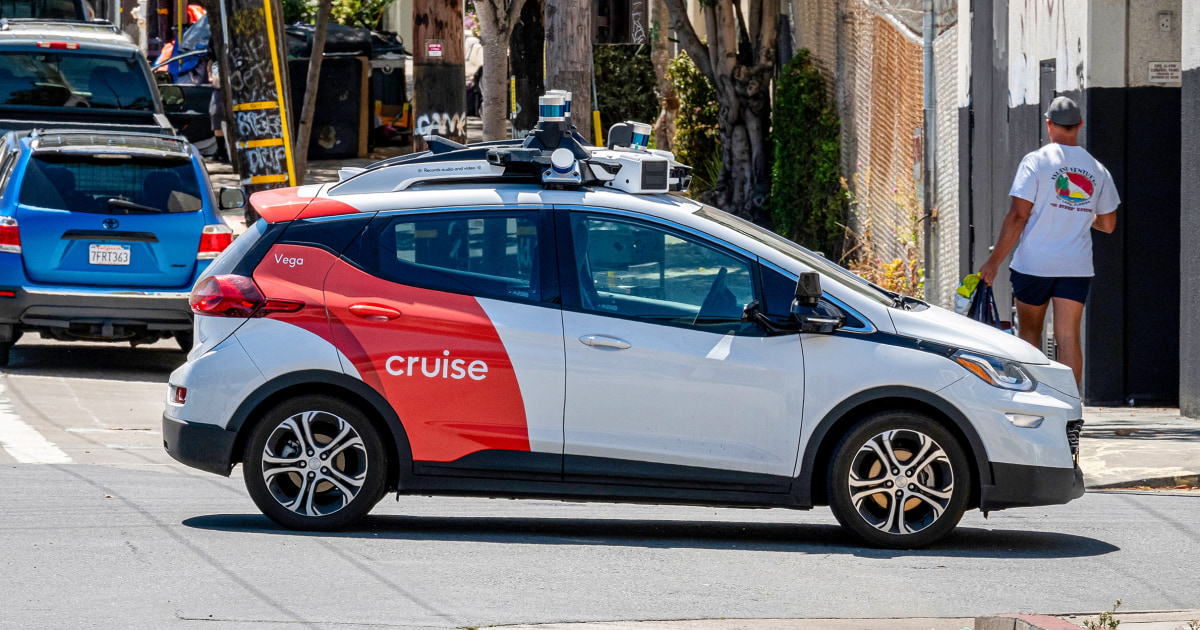
GM’s Bold Move: Halving Cruise Workforce Amidst Robotaxi Shutdown
In a surprising turn of events, General Motors (GM) has announced a significant restructuring of its Cruise division, slashing its workforce by a staggering 50%. This decision comes on the heels of the closure of its robotaxi services, raising critical questions about the future of autonomous vehicle technology and the role of GM in this rapidly evolving market. As the automotive industry undergoes a transformation fueled by technological advancements, GM’s bold move may signal both challenges and opportunities in the realm of self-driving vehicles.
The Context of GM’s Decision
The announcement to halve the Cruise workforce is not just a corporate maneuver; it reflects broader challenges faced by the autonomous vehicle sector. Over the past few years, GM has invested heavily in Cruise, aiming to pioneer the future of transportation through self-driving technology. However, the complexities of regulatory hurdles, safety concerns, and competition from other tech giants have made the road to fully operational robotaxis fraught with difficulties.
Despite its ambitious goals, Cruise struggled to meet the expectations set by both the company and the market. The closure of its robotaxi division is emblematic of the harsh realities that many companies face in the autonomous vehicle landscape. With significant capital expenditures and a workforce committed to innovating in self-driving technology, GM’s decision to cut jobs highlights a crucial pivot point in its strategy.
Implications for the Autonomous Vehicle Landscape
GM’s move to halve its Cruise workforce sends ripples across the autonomous vehicle industry. Here are some implications to consider:
- Regulatory Challenges: The regulatory environment surrounding autonomous vehicles remains complex and evolving. Companies like GM must navigate a patchwork of state and federal regulations that govern the testing and deployment of self-driving technology.
- Market Competition: The closure of Cruise’s robotaxi division may provide an opportunity for competitors like Waymo, Tesla, and others to capitalize on GM’s retreat. These companies remain focused on advancing their own autonomous technologies and could gain a more significant market share.
- Public Perception: The public’s trust in autonomous vehicles is critical for their adoption. High-profile incidents involving self-driving cars have raised safety concerns among consumers. GM’s halving of its workforce may further erode confidence in the reliability of autonomous technology.
Analyzing GM’s Future in Autonomous Technology
Despite the setbacks, GM’s commitment to the autonomous vehicle market is far from extinguished. The company has a long-standing history in innovation and remains a key player in the automotive industry. Here are several avenues GM might explore moving forward:
- Focus on Partnerships: Collaborating with tech companies and startups can provide GM with fresh insights and resources to advance its autonomous vehicle initiatives. Partnerships can facilitate innovation and improve technology without the enormous risks of going solo.
- Investment in R&D: GM could redirect its resources towards research and development, focusing on enhancing safety and efficiency in autonomous systems. This strategic pivot may position the company to overcome previous challenges and re-enter the market with a stronger product.
- Consumer Education: GM can take an active role in educating consumers about the benefits and safety of autonomous vehicles. Increasing public understanding can help alleviate fears and foster a more welcoming environment for self-driving technology.
The Economic Impact of Workforce Reduction
Halving the Cruise workforce has immediate economic implications, both for the company and the broader community. The layoffs will undoubtedly impact many employees, leading to uncertainty and potential financial strain. However, this decision may also enable GM to streamline its operations, focusing on core competencies and reducing overhead costs.
From a broader economic perspective, workforce reductions in high-tech industries can lead to a talent redistribution. Skilled workers may seek opportunities in other sectors, potentially fueling innovation and growth elsewhere. Additionally, the tech community often thrives on the mobility of talent, where seasoned professionals can bring their expertise to startups or competitors, thus enhancing the overall ecosystem.
Looking Ahead: The Future of Autonomous Vehicles
As GM navigates this pivotal moment, the future of autonomous vehicles remains bright, albeit challenging. The technology continues to evolve, with advancements in artificial intelligence, machine learning, and sensor technology making self-driving cars more viable than ever.
Moreover, cities are increasingly investing in smart infrastructure, paving the way for a more integrated approach to transportation. As municipal governments embrace innovations in mobility, the potential for autonomous vehicles to play a significant role in urban planning becomes evident.
Conclusion: A New Chapter for GM and Cruise
GM’s bold move to halve the Cruise workforce amidst the shutdown of its robotaxi division marks a significant chapter in the company’s journey through the autonomous vehicle sector. While this decision raises concerns about the future of self-driving technology, it also presents opportunities for strategic realignment and innovation. By focusing on partnerships, research and development, and consumer education, GM can reposition itself as a leader in the evolving automotive landscape.
Ultimately, the road ahead will require resilience, adaptability, and a commitment to safety and innovation. As GM navigates these changes, the entire industry watches closely, eager to see how this storied automaker will redefine its role in the future of transportation.
See more Business Focus Insider Team
