
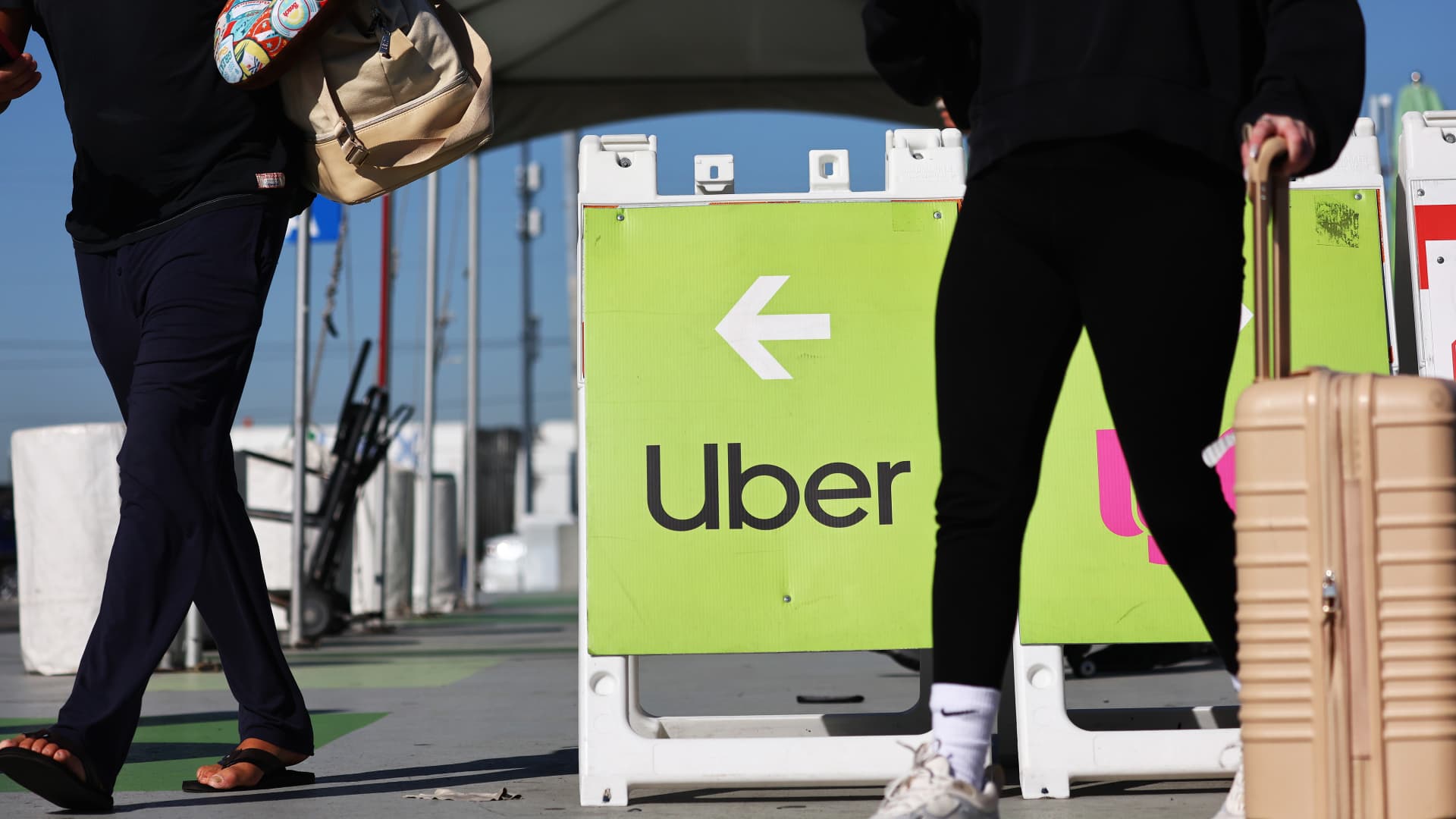
The Federal Trade Commission (FTC) filed a lawsuit against Uber Technologies Inc. on July 18, 2024, alleging the ride-hailing giant enrolled customers in its Uber One subscription service without clear consent and made cancellation unnecessarily difficult. The regulatory action spotlights growing concerns about “dark patterns” in digital commerce—design tactics that manipulate users into unintended purchases.
Details of the FTC’s Allegations Against Uber
According to the 28-page complaint, Uber violated the Restore Online Shoppers’ Confidence Act (ROSCA) through several problematic practices between 2020-2024:
- Pre-checked enrollment boxes that automatically signed users up for $9.99/month Uber One memberships during checkout
- Buried cancellation procedures requiring 6+ clicks through multiple screens
- Continued billing after users attempted cancellation
- Misleading claims about subscription benefits and trial periods
The FTC estimates these practices affected over 2.5 million consumers, generating hundreds of millions in revenue. “Uber turned cancellation into a labyrinth while making enrollment as easy as tapping a button,” said FTC Chair Lina Khan during a press briefing.
Consumer Protection in the Subscription Economy
The case arrives as subscription services dominate digital commerce. Research from McKinsey shows:
- The average U.S. household maintains 12 paid subscriptions
- 48% of consumers forget about recurring charges
- Subscription businesses grew revenues 300% faster than S&P 500 companies from 2012-2022
“This lawsuit sets an important precedent,” explained consumer rights attorney Miriam Castillo. “When companies make more money from consumer confusion than from actual value, regulators need to intervene.”
However, some industry analysts caution against overregulation. “Subscription models allow businesses to offer lower prices through predictable revenue streams,” noted tech economist Dr. Raj Patel. “The solution isn’t eliminating subscriptions but standardizing transparent opt-in processes.”
Uber’s Response and Legal Strategy
Uber denied wrongdoing in an official statement: “We believe our Uber One enrollment and cancellation flows comply with all applicable laws. This program has saved members over $600 million through discounts since launch.” The company plans to vigorously contest the allegations.
Legal experts identify three potential outcomes:
- Settlement: Uber pays fines (estimated $50-100 million) and modifies its signup process
- Court victory for FTC: Could establish stricter national standards for subscription services
- Uber prevails: Might embolden other companies to maintain current practices
Broader Implications for Digital Marketplaces
The case reflects growing regulatory scrutiny on tech companies’ billing practices. In 2023 alone:
- FTC secured $165 million in refunds for unauthorized subscriptions
- Apple paid $25 million over App Store billing issues
- Amazon settled a $5.8 million case regarding Prime membership cancellations
“We’re seeing a regulatory sea change,” observed Georgetown Law professor Hannah Lee. “After years of focusing on data privacy, agencies are now targeting economic harms from deceptive interfaces.”
Protecting Yourself From Unwanted Subscriptions
Consumer advocates recommend these protective measures:
- Review bank and credit card statements monthly for unrecognized charges
- Use virtual credit cards with spending limits for online purchases
- Document all cancellation attempts with screenshots
- File complaints at ReportFraud.ftc.gov for unauthorized charges
The FTC case against Uber may take years to resolve, but its immediate impact is clear: companies face increasing pressure to prioritize transparent consumer consent over growth-at-all-costs strategies. As digital marketplaces evolve, this lawsuit could mark a turning point in how regulators protect consumers in the subscription economy.
Have you experienced unexpected charges from Uber or other subscription services? Share your story with our consumer protection desk.
See more Business Focus Insider Team
