
Global Retailers Set Their Sights on U.S. Markets: A New Era of Expansion
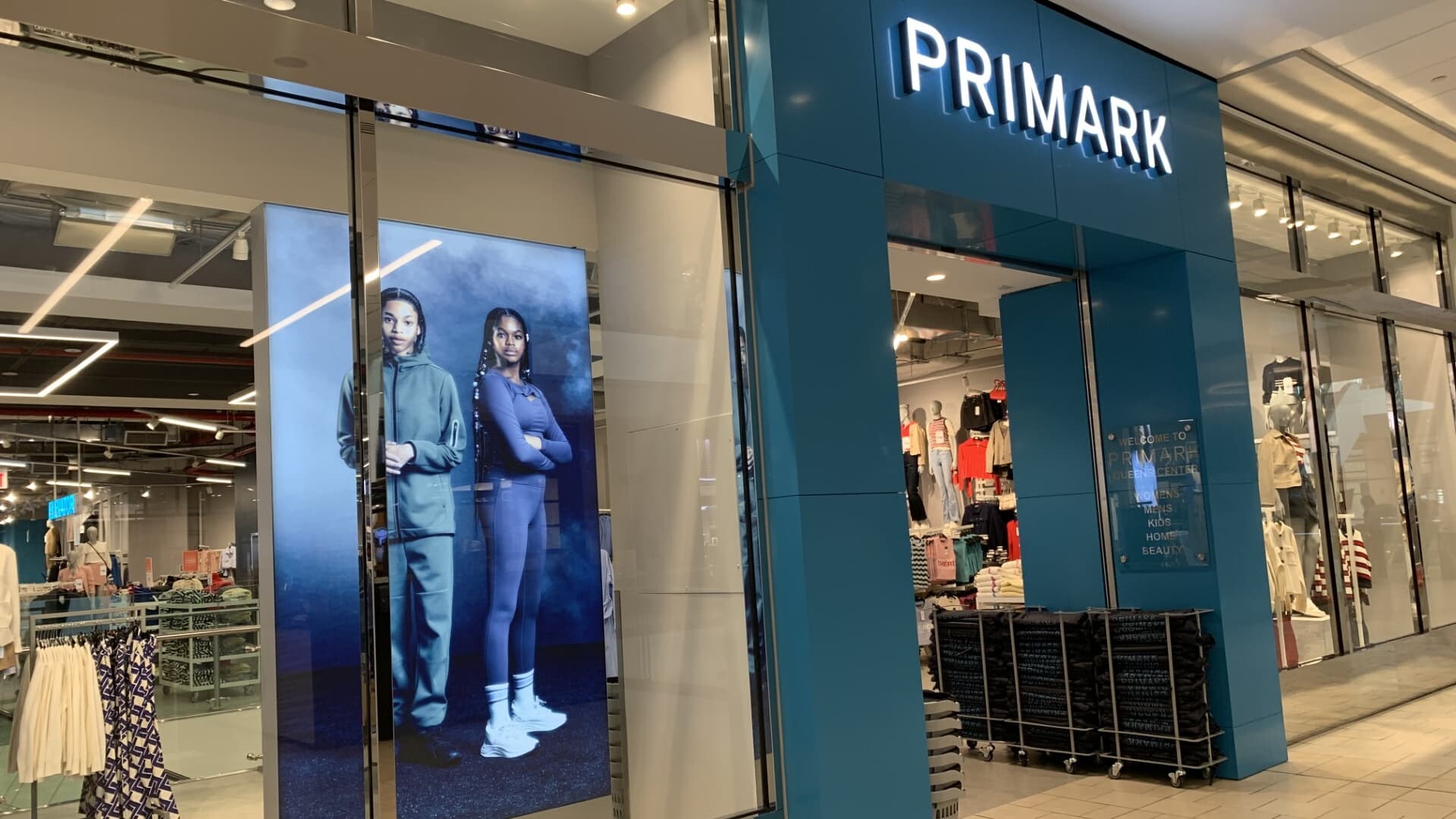
As the world becomes increasingly interconnected, the retail landscape is experiencing a significant transformation. Global retailers are setting their sights on U.S. markets, marking the dawn of a new era of expansion. With well-known brands like Primark and Mango making their debut in American malls, it’s clear that international retailers are eager to tap into the lucrative opportunities that the U.S. market offers. This trend not only reshapes the shopping experience for American consumers but also signals a shift in global retail strategies.
The Appeal of the U.S. Market
The United States remains one of the largest consumer markets in the world, attracting foreign brands with its diverse population and high disposable income. Several factors contribute to the appeal of U.S. markets for global retailers:
- Large Consumer Base: With a population exceeding 330 million, the U.S. offers a vast customer pool for retailers.
- Diverse Preferences: American consumers have varied tastes and preferences, allowing brands to tailor their offerings to different demographics.
- High Purchasing Power: The relatively high disposable income of U.S. consumers means they are willing to spend on quality products.
- Strong E-commerce Infrastructure: The established online shopping landscape complements brick-and-mortar expansions, providing multiple channels for sales.
Recent Trends in Retail Expansion
As global retailers set their sights on U.S. markets, several trends are emerging that highlight the changing dynamics of retail:
- Physical Store Openings: Brands like Primark, known for its affordable fashion, have been opening large stores in high-traffic areas, adapting their models to fit American shopping habits.
- Pop-Up Retailing: Many international brands are starting with pop-up shops to test the waters, gauge consumer response, and create buzz around their products.
- Collaborations and Partnerships: Collaborating with local influencers and retailers allows foreign brands to gain credibility and reach broader audiences.
The Role of Technology in Retail Expansion
As global retailers navigate the U.S. market, technology plays a crucial role in their expansion strategies. The rise of digital platforms and technological innovations has transformed how brands interact with consumers. Here are a few ways technology is shaping this new era:
- E-Commerce Growth: Online shopping has surged, particularly since the pandemic. Retailers are investing in robust e-commerce platforms to reach consumers who prefer shopping from home.
- Data Analytics: Brands are leveraging data analytics to understand consumer behavior, preferences, and trends, allowing them to optimize their product offerings.
- Omni-Channel Retailing: Integrating online and offline experiences creates a seamless shopping journey for customers, enhancing brand loyalty.
Challenges Faced by International Retailers
While the opportunities in the U.S. market are enticing, global retailers also face several challenges:
- Cultural Differences: Understanding and adapting to local consumer preferences is crucial, as what works in one market may not necessarily resonate in another.
- Regulatory Hurdles: Navigating U.S. regulations regarding business operations, labor laws, and import tariffs can be daunting.
- Competition: The U.S. retail landscape is highly competitive, with established brands dominating market share. New entrants must find unique selling propositions to stand out.
Success Stories: Global Brands Making Their Mark
Several global retailers have successfully established themselves in the U.S. market, setting precedents for others to follow:
- H&M: The Swedish fashion retailer has become a household name, known for its trendy styles and affordable prices. Its successful expansion strategy included rapid store openings and a strong online presence.
- Zara: Known for its fast fashion model, Zara has thrived in the U.S. by offering fashionable apparel that aligns with current trends, coupled with a strategic location of stores in urban centers.
- Uniqlo: The Japanese retailer has captivated American consumers with its focus on high-quality basics and innovative fabric technology, providing a unique value proposition.
The Future of Retail in the U.S.
As global retailers continue to set their sights on U.S. markets, the future of retail will likely be characterized by further innovations and adaptations. Here are some predictions for the coming years:
- Sustainability Focus: Consumers are becoming increasingly environmentally conscious. Brands that prioritize sustainability and ethical practices will likely gain a competitive edge.
- Enhanced Shopping Experiences: Retailers will invest in creating immersive and personalized shopping experiences that blend online and offline interactions.
- Increased Investment in Technology: From augmented reality fitting rooms to AI-driven customer service, technology will continue to transform how consumers shop and engage with brands.
Conclusion
In conclusion, the trend of global retailers setting their sights on U.S. markets marks a significant shift in the retail landscape. As brands like Primark and Mango make their entry, they not only bring diverse offerings to American consumers but also contribute to the evolving dynamics of retail. While challenges exist, the opportunities presented by the U.S. market are immense. With technological advancements and a focus on consumer preferences, the future of retail looks promising, paving the way for a new era of expansion and innovation.
See more Business Focus Insider Team
