
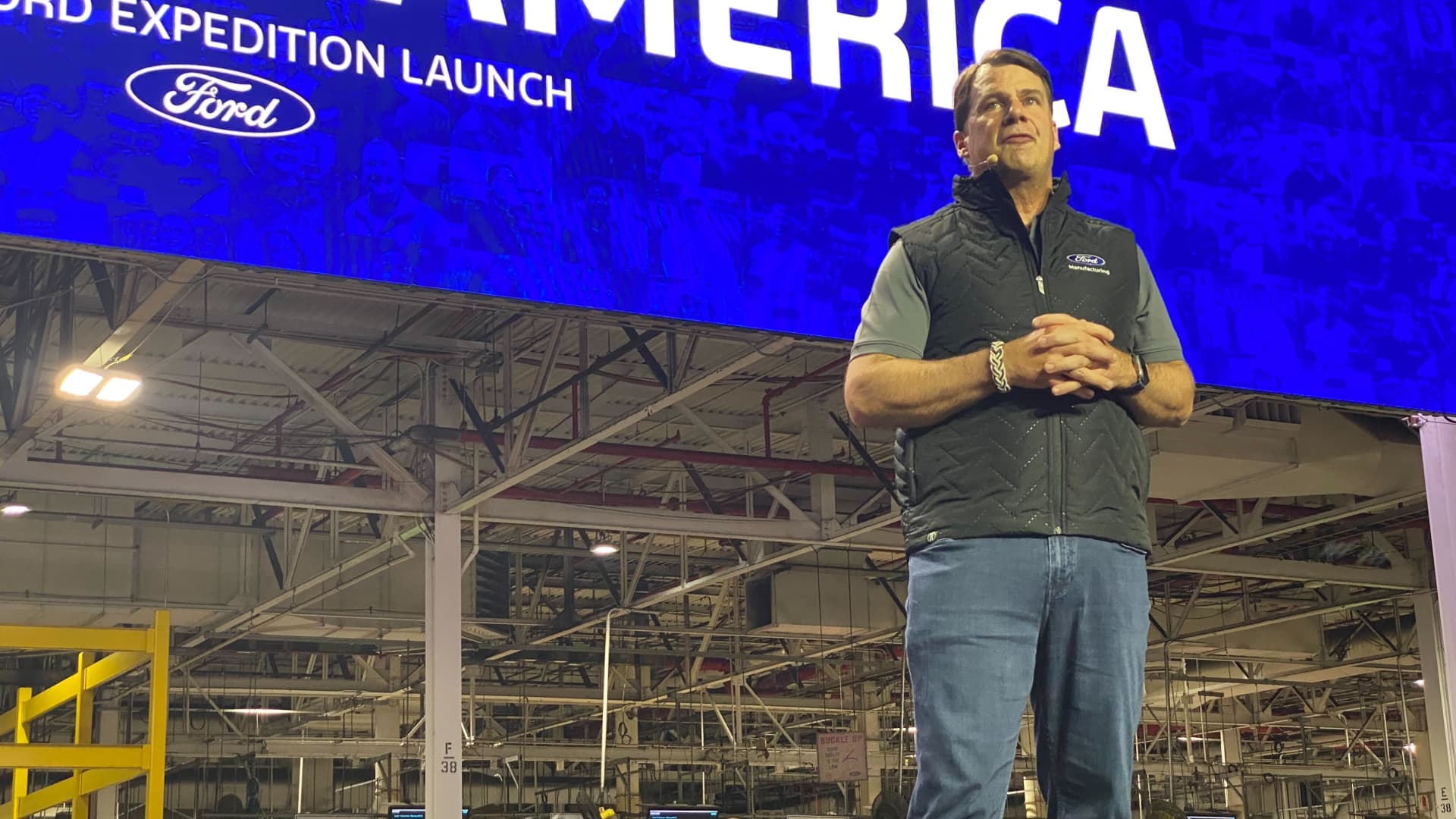
Ford CEO Advocates for Tariff Reforms Despite Trump’s Temporary Reprieve
Ford CEO Jim Farley has called for comprehensive tariff reforms to bolster the automotive industry’s competitiveness, even as he acknowledged the short-term benefits of former President Donald Trump’s tariff reprieve. Speaking at a Detroit economic forum this week, Farley emphasized that temporary relief measures alone cannot address systemic trade challenges. His comments come amid ongoing debates about U.S. trade policy and its impact on domestic manufacturing.
The Current State of Automotive Tariffs
The U.S. automotive sector operates under a complex web of tariffs, including the 25% levy on light trucks established by the Chicken Tax of 1964 and the 2.5% tariff on passenger vehicles under WTO rules. Trump’s 2018 Section 232 tariffs added further layers, imposing 25% duties on steel and 10% on aluminum imports. While these measures aimed to protect domestic industries, they also increased production costs by an estimated $600 per vehicle, according to the Center for Automotive Research.
“The tariff reprieve provided breathing room, but we’re still playing chess with half the pieces,” Farley stated. “What we need is a modernized trade framework that reflects today’s supply chains and competitive realities.” Industry analysts note that Ford’s advocacy aligns with its $50 billion electrification strategy, which requires globally integrated battery material sourcing.
Competitive Pressures in the Global Market
Automakers face mounting challenges as trade dynamics shift:
- Chinese EV manufacturers benefit from 25% domestic subsidies while facing only 27.5% U.S. tariffs
- EU’s carbon border adjustment mechanism will add €200-€300 per battery starting 2026
- Mexico’s USMCA advantage has attracted $15 billion in auto investments since 2020
Dr. Sarah Miller, trade economist at the Brookings Institution, explains: “The auto industry’s transformation requires recalibrating protectionist measures. Current tariffs often hit allies harder than strategic competitors while doing little to secure critical mineral supply chains.”
Diverging Industry Perspectives on Trade Policy
While Ford pushes for reform, stakeholders remain divided:
Labor Unions: UAW President Shawn Fain recently argued that “any tariff reduction must be tied to concrete job guarantees and reinvestment commitments.” The union points to 65,000 auto jobs lost to imports since 2001.
Foreign Automakers: Toyota North America CEO Tetsuo Ogawa welcomed dialogue but cautioned against “wholesale changes that could destabilize existing production ecosystems.” The company operates 10 U.S. plants employing 36,000 workers.
EV Startups: Rivian’s policy team has advocated for temporary tariff exemptions on battery components, noting that 78% of lithium processing occurs in China.
The Road Ahead: Policy Options and Industry Implications
The Biden administration faces competing priorities as it reviews Trump-era tariffs. Potential pathways include:
- Sector-specific agreements for critical minerals with allied nations
- Gradual phaseouts tied to domestic production benchmarks
- Dynamic tariffs that adjust based on material shortages
Farley suggested a middle ground: “We could structure tariffs like a graduated income tax – higher rates kick in only after certain import thresholds. This protects domestic capacity without strangling innovation.” The proposal echoes Japan’s safeguard mechanisms in the CPTPP trade pact.
How Tariff Reforms Could Reshape Auto Manufacturing
A revised trade framework could accelerate several industry trends:
- Nearshoring: 42% of suppliers surveyed by AutoForecast Solutions plan North American expansions if tariffs rationalize
- Battery Ecosystems: $45 billion in announced gigafactories depend on stable mineral trade rules
- Consumer Costs: Boston Consulting Group estimates optimized tariffs could reduce EV prices by $1,200-$3,500
However, Commerce Secretary Gina Raimondo has emphasized that reforms must consider national security. “Semiconductors taught us hard lessons about overconcentration,” she remarked at last month’s SelectUSA summit. “The auto supply chain needs both openness and resilience.”
What Comes Next for Auto Tariffs?
With the 2024 election looming, tariff policy hangs in the balance. The U.S. International Trade Commission will conclude its Section 332 investigation into auto imports this fall, potentially providing momentum for legislative action. Meanwhile, Ford plans to intensify lobbying efforts through its new Trade Policy Task Force.
As the industry navigates this crossroads, stakeholders agree on one point: the rules governing global auto trade haven’t kept pace with technological revolutions. Whether through congressional action, executive measures, or international negotiations, the coming months will prove pivotal in determining if America’s trade framework becomes an engine for competitiveness or an anchor holding it back.
For deeper analysis of how tariff reforms could affect vehicle pricing and availability, subscribe to our auto industry newsletter for weekly updates.
See more Business Focus Insider Team
