
Europe’s Luxury Market: Is a Revival on the Horizon Amidst Rising Challenges?
As the dust begins to settle from the unprecedented disruptions caused by the global pandemic, Europe’s luxury market is showing promising signs of revival. However, this resurgence is accompanied by significant challenges that could impact its trajectory, particularly the economic slowdown in China and the looming threat of tariffs. Analysts and stakeholders in the luxury sector are keenly observing whether these hurdles will dampen the momentum or if the industry can successfully navigate these turbulent waters.
The State of Europe’s Luxury Market
The luxury market in Europe, which has long been a global leader in high-end goods and services, is experiencing a cautious rebound. Following a steep decline during the pandemic, brands are now witnessing a resurgence in consumer demand as travel restrictions ease and social gatherings resume. In 2022, the European luxury market was estimated to be valued at approximately €280 billion, with projections indicating a growth trajectory of around 5-7% annually in the coming years.
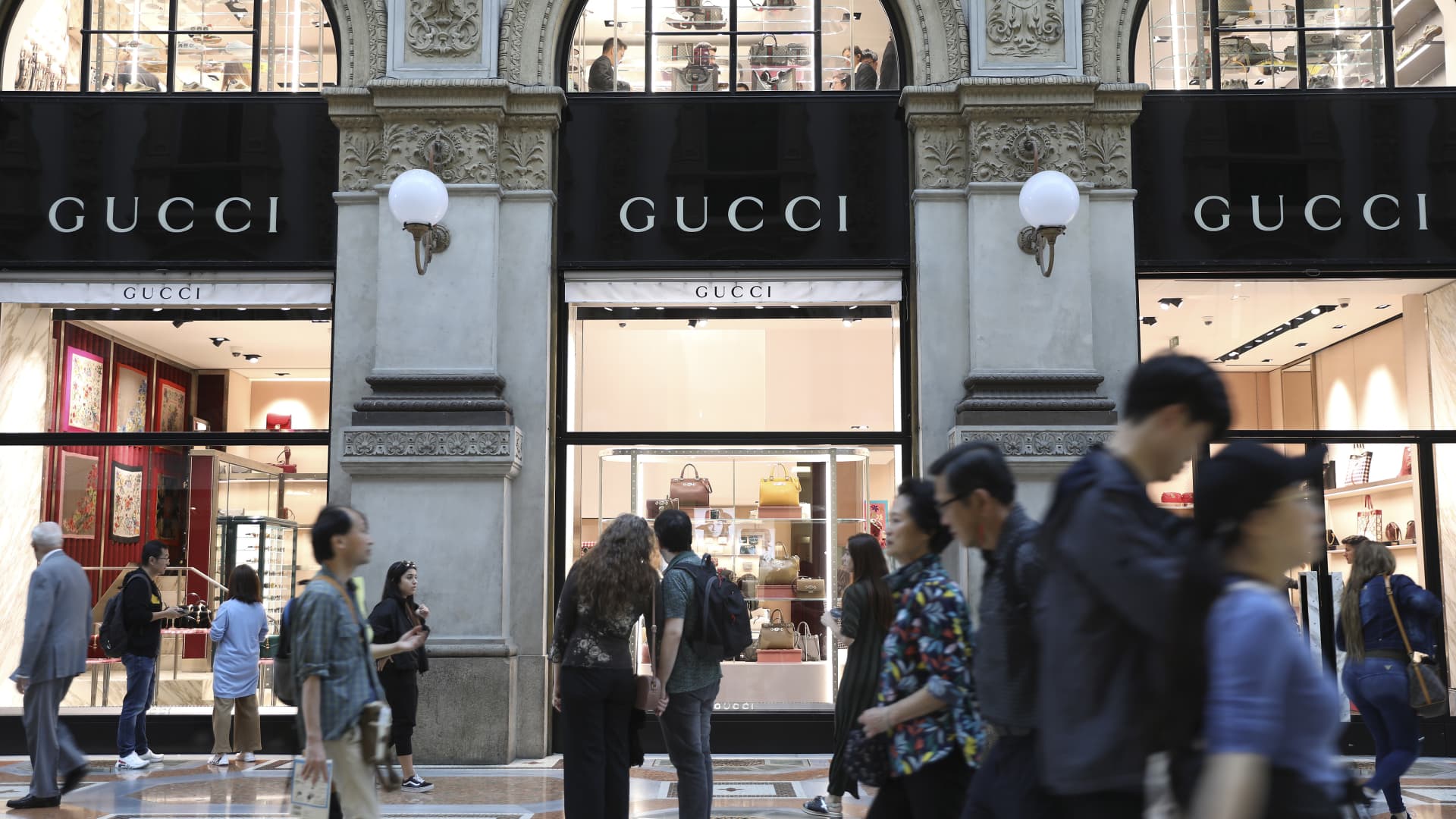
Key luxury brands, including Louis Vuitton, Gucci, and Chanel, have reported increased sales, particularly in the ready-to-wear and accessories segments. This revival is bolstered by a younger demographic increasingly interested in luxury goods, driven by social media influences and a growing desire for personalized experiences.
China’s Economic Slowdown: A Double-Edged Sword
While the revival of Europe’s luxury market is encouraging, analysts are wary of the potential impacts of China’s economic slowdown. China has been a significant driver of growth for the luxury sector, accounting for a substantial share of global luxury consumption. However, recent reports indicate a slowdown in economic activity, which could lead to decreased spending on luxury goods.
- Consumer Behavior: Chinese consumers have historically been the largest buyers of luxury items, both domestically and abroad. A downturn in their spending power could lead to reduced revenues for European brands reliant on this market.
- Shift in Spending Habits: With uncertainties in the economy, Chinese consumers may prioritize essential goods over luxury purchases, impacting sales in Europe.
Moreover, analysts are noting a shift in consumer behavior, with a growing preference for local brands over international luxury labels. This trend could further challenge European luxury brands seeking to maintain their market share in China.
The Tariff Threat: Implications for Luxury Brands
In addition to the economic challenges posed by China, the looming threat of tariffs is another critical factor that could impact the luxury market in Europe. Trade tensions between the EU and other regions, particularly the United States, have raised concerns about the imposition of tariffs on luxury goods. The potential for increased costs could force brands to reassess their pricing strategies, which may alienate some customers.
- Price Sensitivity: Luxury consumers tend to be less price-sensitive; however, significant price increases could deter spending.
- Supply Chain Disruptions: Tariffs could also lead to increased production costs, prompting brands to rethink their supply chain strategies.
Luxury brands that are proactive in managing these threats may find opportunities for growth, particularly by diversifying their supply chains and exploring new markets.
Innovation and Sustainability: The Path Forward
In the face of these challenges, innovation and sustainability have emerged as critical factors for the revival of Europe’s luxury market. Brands are increasingly focusing on sustainable practices and transparent supply chains as consumers become more eco-conscious. This shift not only meets consumer demand but also positions brands favorably for future growth.
- Adopting Sustainable Practices: Many luxury brands are investing in eco-friendly materials and ethical sourcing, which resonate with a growing segment of consumers.
- Digital Transformation: The pandemic accelerated digital adoption across various sectors, including luxury. Brands are now leveraging e-commerce and digital marketing to reach consumers directly, enhancing their shopping experience.
Furthermore, personalization is becoming a key trend within the luxury sector. Brands that offer tailored experiences or products are likely to create deeper connections with consumers, fostering brand loyalty and repeat purchases.
The Role of Tourism in Reviving Luxury Sales
Tourism has historically been a cornerstone of the luxury market in Europe, with international travelers contributing significantly to sales. As travel restrictions ease, the return of tourists is expected to bolster the luxury sector. However, the recovery of tourism is contingent on several factors, including geopolitical stability, public health, and consumer confidence.
- Luxury Travel Experience: The luxury travel segment is witnessing a resurgence, with high-end resorts and experiences gaining popularity. Brands that can integrate unique travel experiences with their offerings stand to benefit immensely.
- Local Spending: Even as international tourism revives, local consumers are also returning to luxury boutiques, further fueling growth.
As Europe’s luxury market embarks on its recovery journey, the key question remains: Can it successfully navigate the challenges posed by China’s economic slowdown and the threat of tariffs? The answer lies in the industry’s adaptability and resilience. Brands that embrace innovation, sustainability, and digital transformation are more likely to thrive.
Moreover, the luxury sector must remain vigilant, keeping a close eye on global economic trends and consumer behavior. By proactively addressing challenges and seizing opportunities, Europe’s luxury market can not only survive but potentially emerge stronger in the post-pandemic world.
In conclusion, while challenges loom on the horizon, the revival of Europe’s luxury market appears promising. With strategic adaptations and a focus on consumer preferences, the industry has the potential to navigate through turbulent waters and set the stage for a bright future.
See more Business Focus Insider Team
