
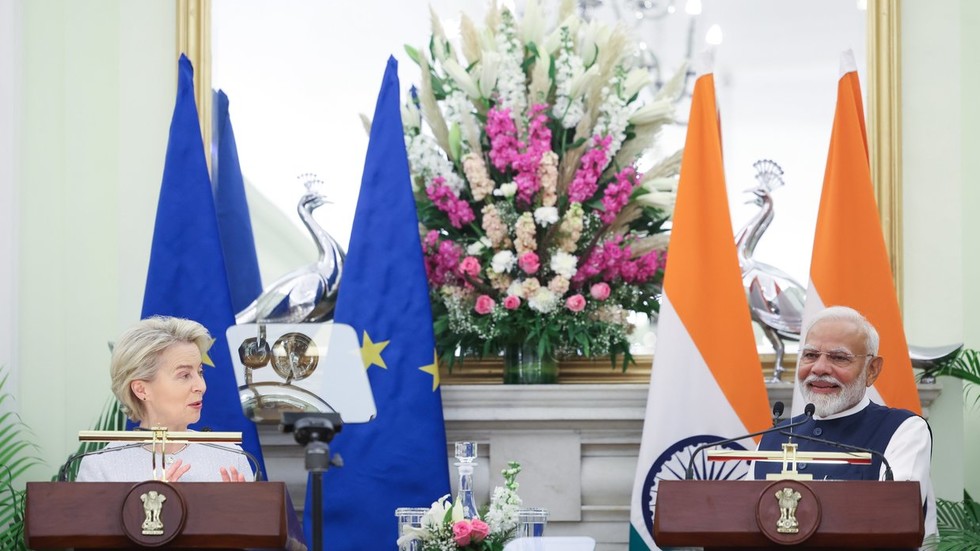
As the world grapples with shifting economic powers, the European Union (EU) is taking decisive steps to strengthen its economic ties with India. This bold trade initiative, spearheaded by EU President Ursula von der Leyen, has the potential to reshape global trade dynamics, enhance strategic partnerships, and foster economic growth for both regions. In this article, we will delve into the intricacies of this ambitious trade deal, its implications, and the broader geopolitical context in which it operates.
The Context of EU-India Relations
Historically, the EU and India have shared a complex but promising relationship. With a population exceeding 1.4 billion, India stands as one of the world’s fastest-growing economies. The EU, composed of 27 member states, represents a significant economic bloc with a combined GDP that ranks among the largest globally. The potential for mutually beneficial trade is immense, yet various barriers have hindered the realization of a comprehensive trade agreement.
Recent developments, however, signal a renewed commitment from both sides to enhance this partnership. The EU’s focus on diversifying its trade relationships, particularly in light of geopolitical tensions and supply chain vulnerabilities exposed by the COVID-19 pandemic, has made India an attractive partner.
Ursula von der Leyen’s Vision
Ursula von der Leyen, as the President of the European Commission, has been a driving force behind this initiative. Her vision for a robust EU-India trade deal encompasses not just economic transactions but also collaborative efforts in technology, sustainability, and innovation. By aligning their interests, the EU and India can tackle common challenges ranging from climate change to digital transformation.
- Economic Growth: A trade deal could significantly increase bilateral trade, which was valued at around €115 billion in 2020, aiming for a target of €300 billion by 2025.
- Job Creation: Expanding trade is expected to create jobs in both regions, particularly in sectors such as technology, manufacturing, and renewable energy.
- Innovation and Technology: Collaborations in research and development can lead to breakthroughs in various fields including healthcare and artificial intelligence.
Key Areas of Focus in the Trade Deal
To fully leverage the potential of a trade deal, several key areas need to be addressed:
1. Tariff Reductions
One of the most significant barriers to trade is high tariffs. Both the EU and India have imposed various tariffs on goods, which can stifle trade flow. A comprehensive trade agreement should aim to reduce or eliminate these tariffs on goods and services to enhance market access.
2. Regulatory Cooperation
Regulatory barriers can often impede trade. Establishing frameworks for regulatory cooperation can streamline processes for businesses, making it easier to navigate the complexities of trade regulations in both regions.
3. Sustainable Development
The EU has placed a strong emphasis on sustainability, and aligning this with India’s growth ambitions can create a framework for cooperation in renewable energy, sustainable agriculture, and responsible supply chains. This alignment can lead to shared goals in combating climate change and promoting environmental stewardship.
4. Digital Trade and E-commerce
As economies become increasingly digital, addressing issues related to data protection, digital taxation, and e-commerce regulations will be vital. A modern trade deal should incorporate provisions that foster digital trade while ensuring consumer protection and privacy.
Geopolitical Implications
The EU’s bold trade ambitions with India are not merely about economics; they are also deeply intertwined with geopolitical considerations. In a world where power dynamics are shifting, strengthening ties with India serves several strategic purposes:
- Countering China: As both the EU and India seek to balance their relationships with China, a strong partnership can provide a counterweight to Chinese influence in the region.
- Strengthening Democratic Values: The EU and India share a commitment to democratic governance and human rights, making their partnership a powerful symbol of shared values on the global stage.
- Security Cooperation: Enhanced economic ties can also pave the way for deeper cooperation in security matters, including counter-terrorism and maritime security in the Indo-Pacific region.
Challenges Ahead
Despite the promising outlook, the journey towards a trade deal is not without challenges. Both sides must navigate a complex landscape of domestic interests, political will, and global economic uncertainties. Key challenges include:
- Domestic Opposition: Protectionist sentiments in both regions may lead to resistance against tariff reductions and market access.
- Negotiation Dynamics: The intricacies of negotiations can lead to protracted discussions, as both parties must find common ground on contentious issues.
- Implementation and Compliance: Once an agreement is reached, ensuring compliance and effective implementation will be crucial for realizing the anticipated benefits.
The Path Forward
As the EU navigates these new horizons with India, a strategic and collaborative approach will be essential. By building on existing relationships and focusing on shared goals, both regions can work towards a more integrated economic future. The potential benefits of this partnership are vast, and with the right framework, the EU-India trade deal could serve as a model for future international agreements.
In conclusion, the EU’s bold trade ambitions with India represent a significant opportunity to reshape global trade dynamics. By fostering economic growth, promoting sustainability, and enhancing geopolitical cooperation, this initiative stands to benefit not only the EU and India but also the broader international community. As negotiations progress, all eyes will be on how these two economic powerhouses chart their course in an increasingly interconnected world.
See more Business Focus Insider Team
