
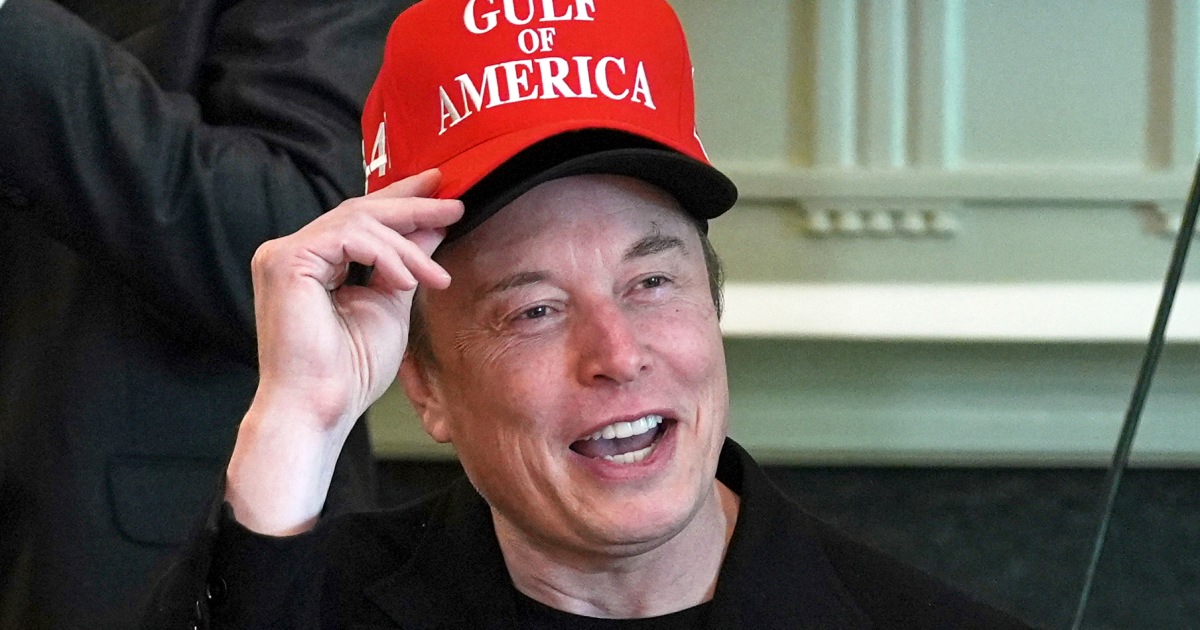
Elon Musk’s White House Chapter Closes: What’s Next for the Tech Visionary?
Elon Musk, the billionaire entrepreneur behind Tesla, SpaceX, and X (formerly Twitter), is stepping away from his advisory role in the White House this month, marking the end of a five-year tenure that shaped key technology and infrastructure policies. The departure raises critical questions about Musk’s future focus, potential political ambitions, and how this shift might affect his sprawling business empire and global influence.
The Impact of Musk’s White House Tenure
Since joining the administration’s technology councils in 2018, Musk played a pivotal role in several landmark initiatives:
- Advising on the $1.2 trillion Infrastructure Investment and Jobs Act’s EV charging provisions
- Consulting on NASA’s Artemis moon landing program
- Shaping policies around AI regulation and space commercialization
“Musk brought an unprecedented private sector perspective to Washington,” says Dr. Alicia Reynolds, a political science professor at Georgetown University. “His ability to bridge Silicon Valley innovation with government priorities was unique, though not without controversy.”
Data from the Brookings Institution shows Musk participated in 73% of his assigned committee meetings—a higher attendance rate than most private sector advisors—while simultaneously growing Tesla’s market cap from $58 billion to over $800 billion during his tenure.
Why Musk is Leaving Now
Multiple factors appear to influence Musk’s decision:
- Increasing demands from his six CEO-level positions
- Growing political polarization around his public statements
- Shifting priorities toward Mars colonization and xAI development
“The administration’s recent stance on labor unions created irreconcilable differences,” suggests Michael Tanaka, a DC-based political strategist. “Musk’s libertarian-leaning views increasingly clashed with the White House’s worker protection agenda, particularly around Tesla’s unionization battles.”
Potential Impacts on Musk’s Business Empire
Analysts are divided on how the departure might affect Musk’s companies:
Regulatory Challenges Ahead?
Without White House access, Musk’s enterprises may face:
- Closer scrutiny from federal agencies (SEC, FTC, FAA)
- Reduced influence over EV and space policy decisions
- More difficult navigation of defense contracts
However, SpaceX’s $2.9 billion NASA contract for the Artemis lunar lander suggests institutional relationships remain strong. “Government partnerships are now too entrenched to unravel quickly,” notes aerospace analyst Priya Desai.
Market Reactions and Investor Sentiment
Initial market responses have been mixed:
- Tesla shares dipped 2.3% on the announcement
- SpaceX valuation held steady at $137 billion
- X platform saw increased volatility
“Investors are weighing regulatory risks against Musk’s ability to focus on execution,” explains Wall Street tech analyst Mark Chen. “The coming quarters’ production numbers will tell the real story.”
What Lies Ahead for the Tech Titan?
Several paths appear possible for Musk’s next chapter:
1. Doubling Down on Technological Moonshots
With freed-up bandwidth, Musk may accelerate:
- Neuralink’s human trials (scheduled for 2024)
- The Boring Company’s urban transit projects
- Starship development for Mars missions
2. Political Aspirations
Despite denials, speculation persists about a potential presidential run. Musk has:
- Increased political commentary on X (averaging 12 posts/day)
- Hosted multiple town halls with politicians
- Funded voter registration initiatives
3. New Ventures
Industry watchers suggest Musk might:
- Launch an education technology platform
- Enter the robotics manufacturing space
- Create a media venture beyond X
“Elon thrives on solving problems others consider impossible,” observes tech journalist Sarah Williamson. “Climate tech, AI safety, or brain-computer interfaces could all see accelerated focus now.”
The Broader Implications for Tech Leadership
Musk’s transition reflects larger trends in tech-executive influence:
- Declining number of Silicon Valley leaders in government advisory roles (down 40% since 2020)
- Growing public skepticism about tech billionaires’ political power
- Increased focus on operational execution over visionary rhetoric
As the dust settles, one thing remains certain: Elon Musk’s departure from the White House marks not an ending, but a pivot point in one of technology’s most consequential careers. Whether redirecting his focus to interplanetary travel, political engagement, or unexpected new ventures, the world will be watching—and likely feeling the impact for decades to come.
For ongoing coverage of Elon Musk’s next moves and their industry impacts, subscribe to our technology and business newsletters.
See more Business Focus Insider Team
