
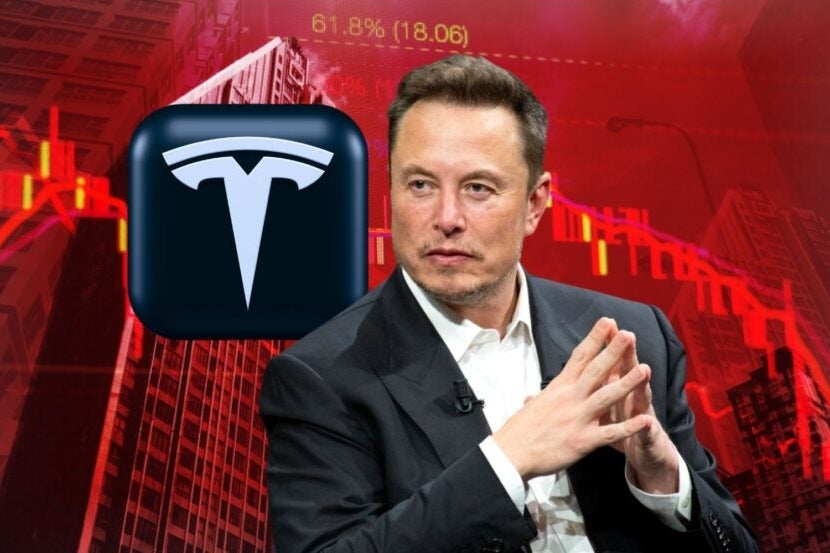
Elon Musk Challenges Tesla Protesters: Government Waste or Justified Critique?
Elon Musk has reignited tensions with Tesla critics by accusing protesters of benefiting from government inefficiencies he claims to have reduced through cryptocurrency innovations. The billionaire entrepreneur made these remarks during a recent X (formerly Twitter) Spaces session, sparking fierce debate about corporate accountability and public spending. Musk’s comments come as Tesla faces growing scrutiny over labor practices and environmental impact, with protesters demanding greater transparency from the electric vehicle giant.
The Clash Over Public Funds and Corporate Responsibility
Musk’s latest salvo centers on his assertion that government mismanagement has historically subsidized activist groups now targeting Tesla. “These organizations grew fat on bureaucratic waste,” Musk stated. “Cryptocurrency systems like Dogecoin demonstrate how decentralized finance can eliminate middlemen and redirect resources more efficiently.”
Financial analysts note that Tesla has received substantial government support itself, including:
- $2.4 billion in state and federal incentives since 2007
- $465 million Department of Energy loan in 2010 (repaid nine years early)
- Estimated $3.4 billion in regulatory credits since 2012
“There’s irony in Musk criticizing public funding while Tesla benefited from the very system he now disparages,” remarked Dr. Lila Chen, political economist at Stanford University. “This reflects a broader tension between disruptive innovators and established oversight mechanisms.”
Protesters Push Back on Musk’s Claims
Environmental and labor coalitions organizing Tesla demonstrations strongly dispute Musk’s characterization. The “Tesla Accountability Project,” a coalition of 12 activist groups, released data showing:
- 83% of their funding comes from individual donations under $250
- Only 6% originates from foundation grants
- Zero dollars from government sources in the past five years
“Musk is creating a false narrative to discredit legitimate concerns about workplace safety and environmental impact,” said coalition spokesperson Maria Gutierrez. “When workers report injury rates 30% above industry averages, that’s not bureaucracy—that’s people’s lives.”
Crypto Solutions Versus Regulatory Frameworks
Musk’s advocacy for cryptocurrency as an alternative to traditional oversight has drawn mixed reactions. Blockchain experts point to several potential benefits:
- Transparent transaction records could reduce bureaucratic opacity
- Smart contracts might automate compliance verification
- Decentralized systems could minimize political influence
However, regulatory scholars highlight significant limitations. “Crypto solves accounting problems, not accountability problems,” noted Georgetown law professor David Ellison. “An immutable ledger won’t automatically ensure fair wages or prevent pollution—those require human judgment and enforcement.”
The Broader Implications for Corporate Governance
This confrontation occurs amid growing scrutiny of tech industry influence. Recent Pew Research shows:
- 58% of Americans believe major tech companies should face more regulation
- Only 34% trust corporate leaders to self-regulate effectively
- 72% support stronger whistleblower protections
The debate touches on fundamental questions about 21st-century capitalism. “We’re seeing a power struggle between visionary entrepreneurs and democratic institutions,” observed Harvard Business School’s Professor Raj Patel. “The challenge is fostering innovation while maintaining essential safeguards.”
What Comes Next in the Tesla Accountability Debate?
Several developments could shape this ongoing conflict:
- Upcoming NLRB rulings on Tesla labor practices
- SEC investigations into Musk’s crypto-related statements
- State-level decisions on EV manufacturing incentives
Industry analysts suggest Tesla’s approach may influence broader corporate activism trends. “How this plays out could set precedents for stakeholder engagement across the tech sector,” said Morningstar analyst Rebecca Zhou.
For readers interested in tracking this evolving story, subscribe to our corporate accountability newsletter for weekly updates on Tesla’s regulatory landscape and labor relations.
See more Business Focus Insider Team
