
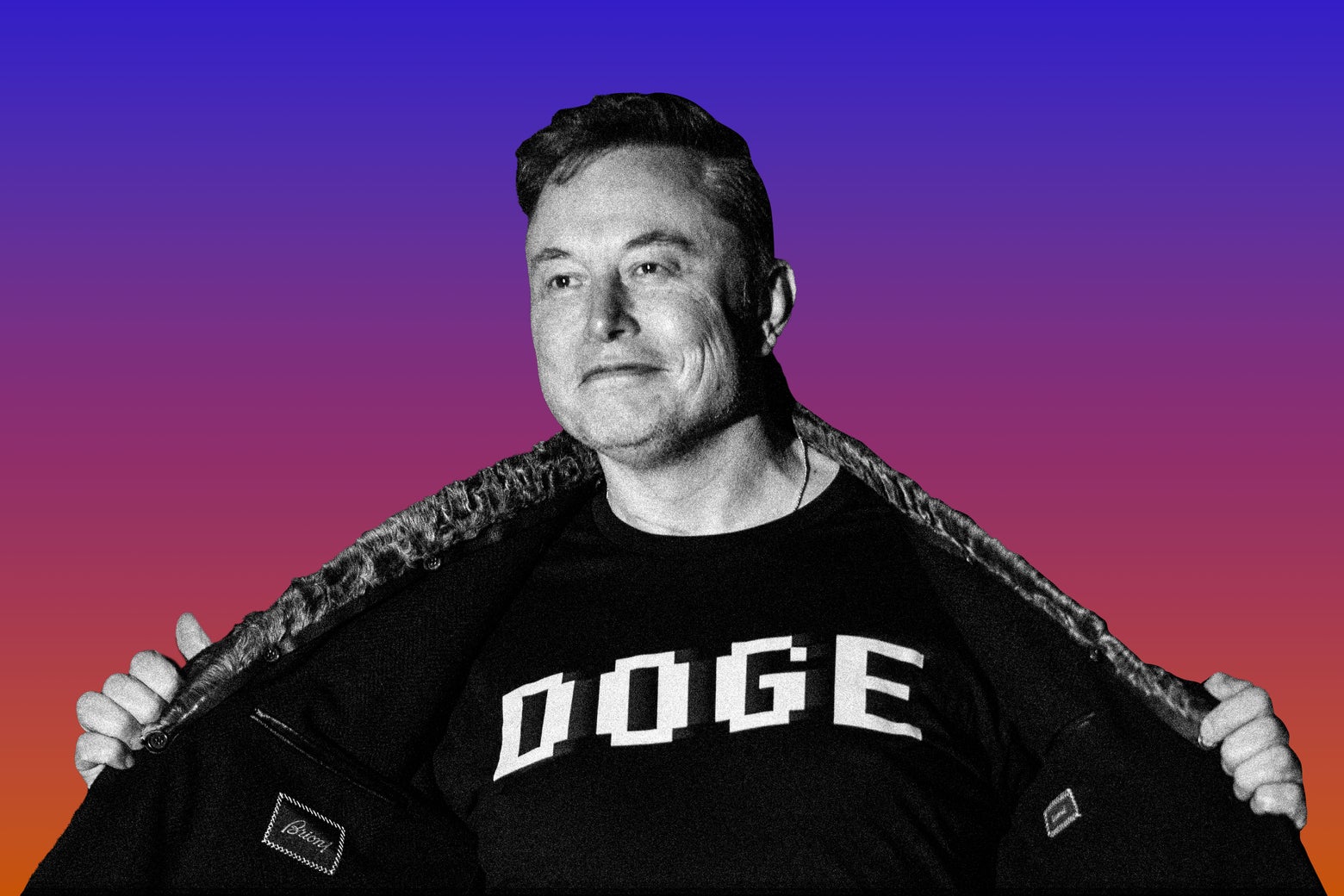
Unveiling the Power Dynamics: How Elon Musk Shapes Industries
Elon Musk, the billionaire entrepreneur behind Tesla, SpaceX, and X (formerly Twitter), continues to redefine global industries through disruptive innovation and sheer force of will. From electric vehicles to space exploration, Musk leverages his vision, risk tolerance, and unparalleled influence to steer markets and public opinion. This article examines his strategies, the ripple effects across sectors, and what his leadership means for the future of technology and beyond.
The Architect of Disruption: Musk’s Multi-Sector Influence
Musk’s impact spans at least six industries, each transformed by his ventures:
- Automotive: Tesla’s rise pushed legacy automakers to accelerate EV development, with global EV sales projected to hit 17 million units annually by 2028 (Statista).
- Aerospace: SpaceX’s reusable rockets slashed launch costs by 90%, dominating 60% of the global market share in 2023.
- Energy: SolarCity and Tesla’s Powerwall popularized decentralized energy solutions.
“Musk doesn’t just enter markets—he rewrites their rules,” says Dr. Alicia Reynolds, a Stanford business strategist. “His ability to pair long-term vision with short-term execution is unmatched.”
Strategies Behind the Influence
Musk’s approach combines audacity, media savvy, and calculated risk-taking:
- Narrative Control: He uses platforms like X to frame debates, as seen with cryptocurrency trends or AI ethics.
- Vertical Integration: Tesla’s control over batteries, software, and charging networks creates an ecosystem competitors struggle to replicate.
- Public Stunts: The Cybertruck’s viral unveiling and SpaceX’s Crew Dragon missions double as marketing coups.
Critics argue this dominance stifles competition. “He benefits from a regulatory gray area,” notes economist Paul Fischer. “When one player sets de facto standards, innovation can become homogenized.”
Data-Driven Dominance
Musk’s ventures thrive on relentless data optimization:
- Tesla’s Autopilot collects 3 billion miles of real-world driving data—10x more than rivals.
- Starlink’s 5,000+ satellites provide internet to 75+ countries, leveraging user metrics to refine coverage.
This feedback loop creates near-insurmountable advantages. For instance, Tesla’s battery efficiency improved 38% since 2018 due to iterative design tweaks.
Controversies and Counterarguments
While admirers praise Musk’s ambition, detractors highlight:
- Labor Practices: Tesla faces ongoing scrutiny over factory working conditions.
- Market Volatility: His tweets have triggered stock swings, like Bitcoin’s 20% drop after Tesla suspended crypto payments.
“Great innovators aren’t always great stewards,” argues ethics professor Lila Chen. “Musk’s power demands proportional accountability.”
The Future of Musk’s Ecosystem
Upcoming ventures like Neuralink and The Boring Company could further expand his reach. Analysts predict:
- AI integration across Musk’s companies may create a unified tech infrastructure.
- SpaceX’s Mars ambitions could open a literal new market—interplanetary commerce.
However, reliance on Musk’s leadership poses risks. “These companies are extensions of his persona,” warns venture capitalist Raj Patel. “Succession planning will be critical.”
Implications for Industry and Society
Musk’s model demonstrates how individual visionaries can outpace institutions. Yet, it also raises questions about concentrated power in an era of rapid technological change. Policymakers, competitors, and consumers must grapple with:
- Balancing innovation with antitrust safeguards.
- Ethical frameworks for AI and space colonization.
- The sustainability of celebrity CEO culture.
As Musk reshapes industries, the world watches—and adapts. For those seeking to understand modern power dynamics, his playbook offers both inspiration and cautionary lessons.
Want to dive deeper? Follow our “Future of Tech” series for weekly analyses on industry disruptors.
See more Business Focus Insider Team
