
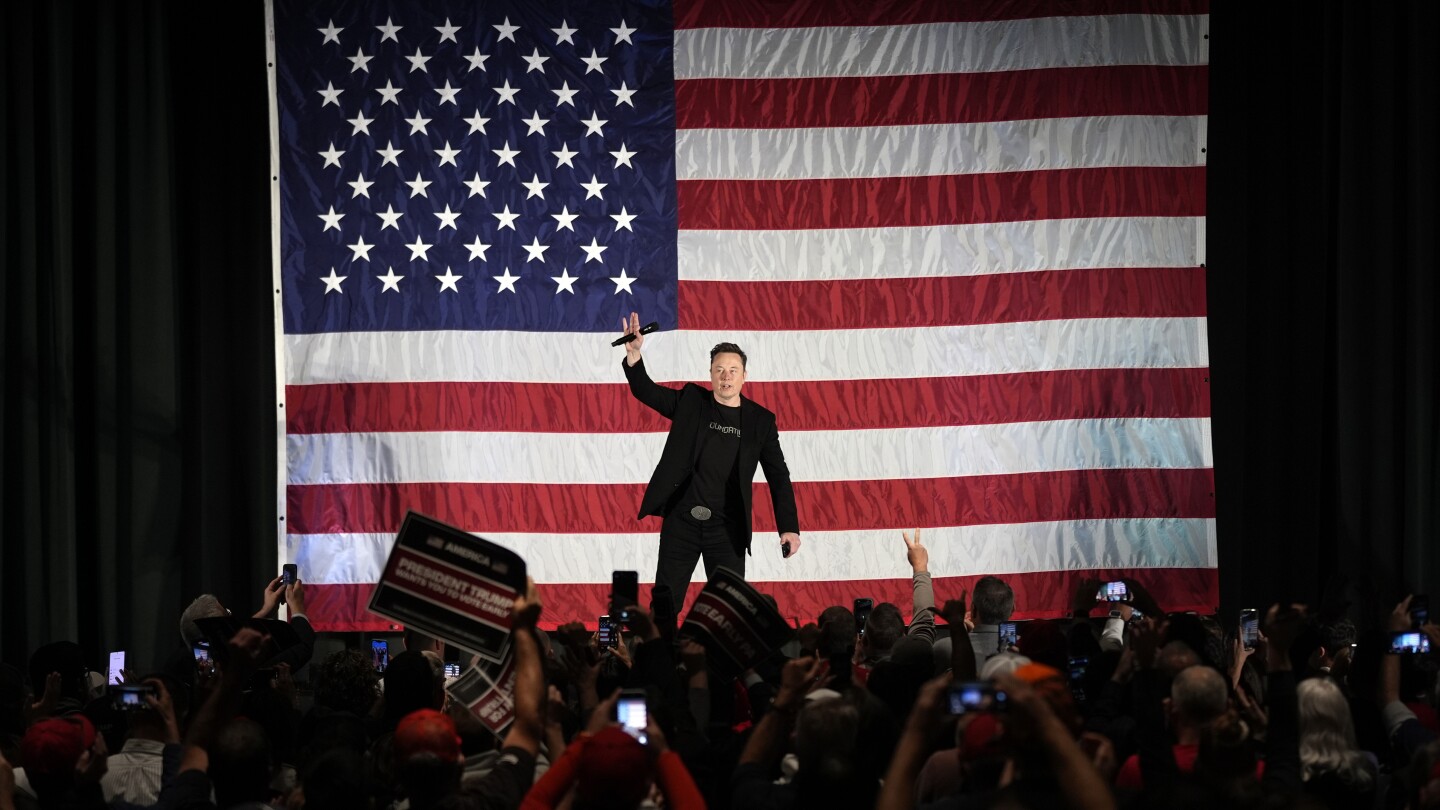
Elon Musk’s Bold Challenge to Government: A Game-Changer for Tesla?
In recent months, Elon Musk has made headlines not only for his innovative approaches at Tesla but also for his increasingly vocal opposition to governmental regulations. This bold challenge to government authority raises intriguing questions about the future of Tesla and the automotive industry as a whole. Could Musk’s controversial stance lead to groundbreaking advancements, or will it create a backlash that stifles progress? In this article, we’ll explore the implications of Musk’s actions, the reaction from government entities, and what it all means for the future of electric vehicles and Tesla.
The Catalyst for Change: Musk’s Perspective
Elon Musk has always been a maverick, known for pushing boundaries and challenging the status quo. His recent criticisms of government regulations seem to stem from a belief that excessive oversight stifles innovation. Musk argues that the automotive industry, particularly the electric vehicle sector, needs more freedom to advance technology and reduce costs. He asserts that bureaucratic red tape can slow down critical developments in sustainable transportation.
During a recent Twitter Spaces event, Musk stated, “The government doesn’t always know what’s best for innovation. Sometimes, less regulation is more.” His perspective resonates with many in the tech and automotive sectors, who see regulations as obstacles to rapid development. The challenge, however, lies in balancing innovation with safety and environmental standards.
The Impact on Tesla’s Operations
As Musk continues to challenge government regulations, Tesla’s operations may experience significant changes. The company’s commitment to innovation could be enhanced if Musk’s push against regulations leads to a more favorable operating environment. Here are some potential impacts:
- Faster Deployment of New Technologies: If regulations are relaxed, Tesla could more rapidly introduce new technologies, such as advanced battery systems or autonomous driving features.
- Cost Reductions: Fewer regulatory hurdles could lower compliance costs, allowing Tesla to invest more in research and development.
- Increased Competition: A less regulated market could open the doors for more startups and established companies to enter the electric vehicle space, fostering competition and innovation.
Despite these potential benefits, there are risks associated with this approach. Consumer safety and environmental concerns must remain a priority, and a lack of regulation could lead to products that do not meet necessary standards. Striking a balance will be critical.
The Government’s Response
In response to Musk’s challenges, various government entities have begun to take notice. While some politicians and regulatory bodies have expressed understanding of the need for innovation, others have voiced concerns about his stance. The government plays a vital role in ensuring safety, environmental protection, and fair competition. The key question is: how will they respond to Musk’s provocations?
Some potential responses from the government could include:
- Increased Scrutiny: Musk’s comments may prompt regulatory bodies to tighten their oversight of Tesla, leading to more rigorous safety inspections and compliance checks.
- Public Hearings: To address concerns about safety and environmental standards, the government may hold public hearings to discuss the implications of less regulation.
- Innovative Policy Development: In a bid to support innovation while ensuring safety, lawmakers may seek to develop new policies that encourage advancements without sacrificing consumer protections.
The government’s response will be crucial in shaping Tesla’s future trajectory and the overall landscape of the electric vehicle market.
The Broader Implications for the Automotive Industry
Musk’s bold challenge to government regulations could have far-reaching effects beyond Tesla. The automotive industry is at a pivotal moment, transitioning from traditional internal combustion engines to electric vehicles. Here are some implications of Musk’s stance:
- Inspiration for Other Companies: Musk’s challenge may embolden other automakers to advocate for regulatory changes that support innovation, potentially leading to a wave of new technologies and products.
- Global Dynamics: As countries around the world adopt stricter emissions regulations, Musk’s push for less oversight may influence international discussions on automotive regulations, with other nations considering similar approaches.
- Consumer Perception: Public sentiment towards government regulations may shift as consumers increasingly favor companies that prioritize innovation and sustainability over bureaucratic processes.
Ultimately, the automotive industry could undergo a transformation as companies respond to Musk’s challenge and adapt to a changing regulatory landscape.
The Ethical Considerations
While the potential for innovation is exciting, it’s important to consider the ethical implications of Musk’s challenge. The automotive industry is not just about technology; it’s also about people. Safety, environmental impact, and ethical considerations must be at the forefront of any advancements. Musk’s push against regulations raises questions about responsibility:
- Consumer Safety: How do we ensure that innovation does not come at the expense of consumer safety?
- Environmental Responsibilities: Can we trust companies to prioritize sustainability if regulations are lessened?
- Accountability: Who holds these companies accountable for their innovations if regulatory oversight is diminished?
These ethical considerations must be addressed to foster trust between consumers and manufacturers while promoting innovation.
The Future of Tesla and Innovation
As Elon Musk continues his bold challenge to government regulations, the implications for Tesla and the broader automotive industry are significant. His approach could lead to groundbreaking advancements in electric vehicles if balanced with safety and ethical considerations. Whether this initiative results in a more innovative and sustainable future for Tesla, or whether it leads to increased scrutiny from regulators, remains to be seen.
In conclusion, the automotive industry stands at a crossroads. With Elon Musk leading the charge against governmental regulations, the future is uncertain yet filled with potential. As stakeholders in the industry—from consumers to policymakers—navigate this landscape, it will be essential to remain vigilant and proactive, ensuring that innovation thrives without compromising safety and ethical standards. The journey ahead promises to be exciting, and as we watch the developments unfold, one can only wonder: is this the dawn of a new era for Tesla and the automotive industry?
See more Business Focus Insider Team
