
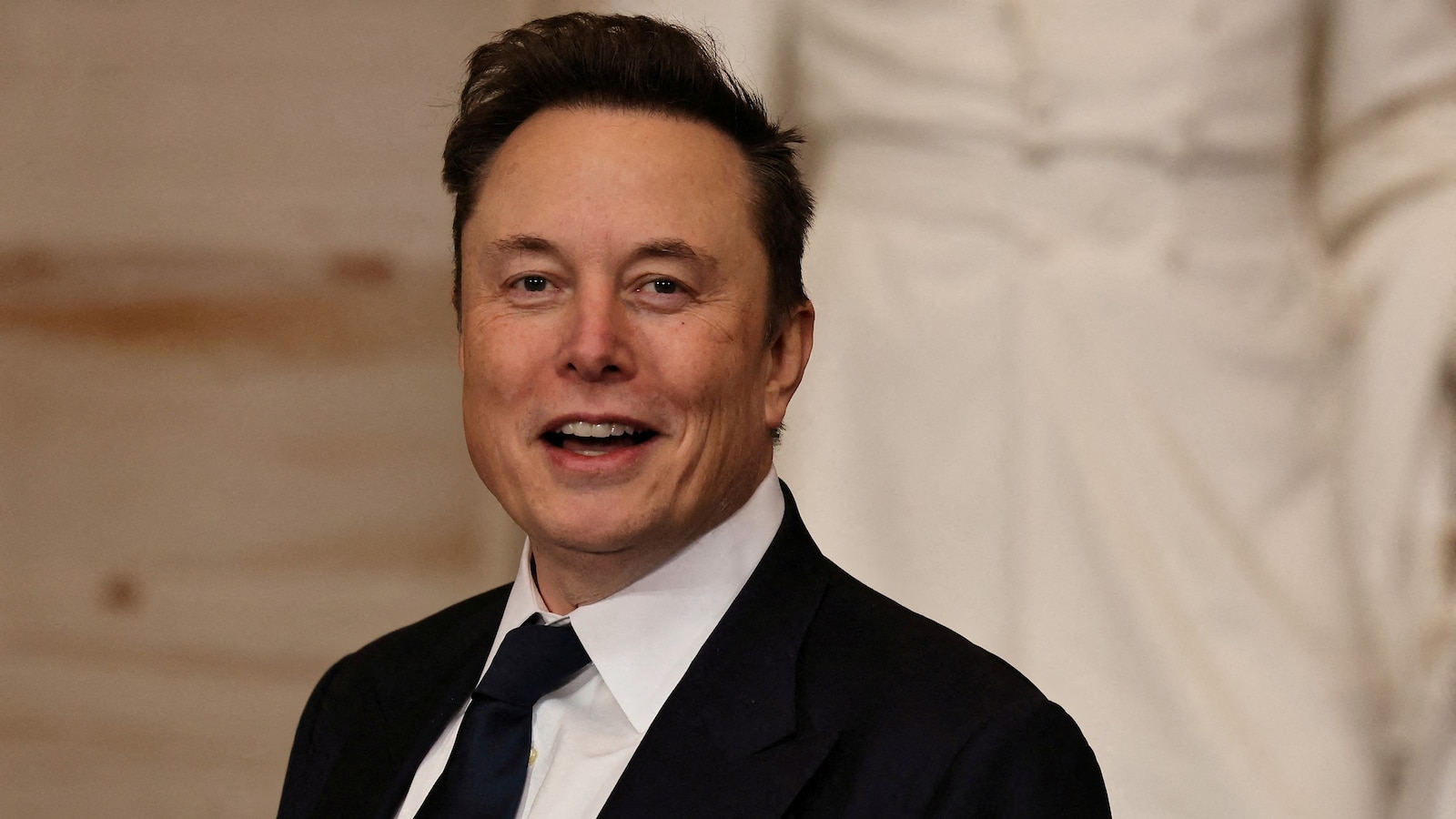
Musk’s Paradox: An Overview of Federal Spending and Government Contracts
Elon Musk, the influential CEO of SpaceX and Tesla, has become a polarizing figure in American business and politics. His recent advocacy for slashing federal spending stands in stark contrast to the billions his companies receive in government contracts. This paradox raises significant questions about the implications for taxpayers, the economy, and the future of government-business relations.
The Dual Role of Elon Musk
Musk wears many hats: entrepreneur, innovator, and now, a vocal critic of government spending. On one hand, he has built companies that rely heavily on federal funds; on the other, he publicly champions reduced government expenditure. This duality creates a complex narrative that is essential to unpack.
For instance, Musk has openly criticized government programs and expenditures, claiming they often lack efficiency and innovative spirit. His calls for budget cuts resonate with a segment of the population that feels overburdened by taxes. However, this rhetoric contradicts the substantial financial support his businesses receive from various government contracts. In 2022 alone, SpaceX secured contracts worth over $3 billion from NASA and the U.S. Department of Defense.
The Government Contracts Landscape
To understand Musk’s paradox, it’s vital to explore the landscape of government contracts. The U.S. government is one of the largest consumers of goods and services globally, investing heavily in defense, aerospace, and technology. Companies like SpaceX and Tesla have positioned themselves as key players in these sectors, leveraging federal contracts to fund groundbreaking projects.
- SpaceX: Known for its groundbreaking work in rocket technology and space exploration, SpaceX has secured numerous contracts from NASA for launching satellites, resupplying the International Space Station (ISS), and advancing space missions.
- Tesla: The electric vehicle manufacturer has benefitted from federal incentives aimed at promoting clean energy and reducing carbon emissions. These include tax credits for electric vehicles and contracts for energy storage solutions.
Taxpayer Implications
Given Musk’s stance on slashing federal spending, one must consider the implications for taxpayers. On one hand, his advocacy for budget cuts could potentially lead to reduced taxation and less government intervention in the economy. On the other hand, the billions in contracts that his companies receive raise questions about the efficiency of spending.
Critics might argue that while Musk calls for reduced spending, he is simultaneously a beneficiary of the very system he seeks to reform. This contradiction can lead to a perception of hypocrisy. However, supporters contend that Musk’s companies are pioneering innovations that ultimately benefit society and the economy, justifying their government support.
The Broader Economic Impact
The relationship between government contracts and economic growth is complex. Musk’s companies have created thousands of jobs and have led to advancements in technology that could benefit various sectors. For example, SpaceX’s advancements in rocket technology have implications for national security and commercial space travel, which could foster a new era of economic growth.
Moreover, Tesla’s push for sustainable energy solutions aligns with broader governmental goals of reducing carbon emissions. This innovative approach not only spurs economic growth but also positions the U.S. as a leader in the global transition to renewable energy.
The Political Landscape
In the political arena, Musk’s paradox is particularly intriguing. His calls for reduced federal spending often align with conservative fiscal policies, appealing to a base that champions limited government. However, the reliance of his companies on government contracts places him in a unique position. Can he truly advocate for reduced federal spending while accepting significant government funds?
Ultimately, this paradox may reflect a broader trend in American politics, where business leaders leverage their positions to influence policy while simultaneously benefiting from government contracts. This duality raises questions about accountability and the ethical implications of such relationships.
Looking Ahead: The Future of Government Contracts
The future of government contracts, particularly as they pertain to Musk’s companies, will likely evolve. As the landscape of technology and innovation shifts, so too will the nature of government contracts. The growing emphasis on sustainability, cybersecurity, and space exploration suggests that companies like SpaceX and Tesla will continue to play a significant role in shaping policy and receiving government support.
Moreover, as more entrepreneurs enter the market, the government may need to reevaluate how it allocates contracts and funds. This could lead to increased scrutiny of spending practices and a push for greater transparency, ensuring that taxpayer dollars are spent efficiently while still fostering innovation.
Conclusion: A Complex Relationship
Musk’s paradox—advocating for slashing federal spending while cashing in on government contracts—illustrates the complex relationship between government, business, and taxpayers. While his companies have undeniably contributed to technological advancements and economic growth, the contradictions in his rhetoric and actions invite deeper scrutiny.
As society navigates the challenges of the modern economy, the interplay between business leaders and government will remain crucial. Understanding this relationship is key to fostering a more efficient and innovative future, ensuring that the interests of taxpayers and the economy are balanced effectively.
In the end, the question remains: can one advocate for reduced spending while benefiting from a system that relies on that very spending? Perhaps the answer lies not in the contradictions, but in the opportunities for growth and innovation that arise from this complex interplay.
See more Business Focus Insider Team
