
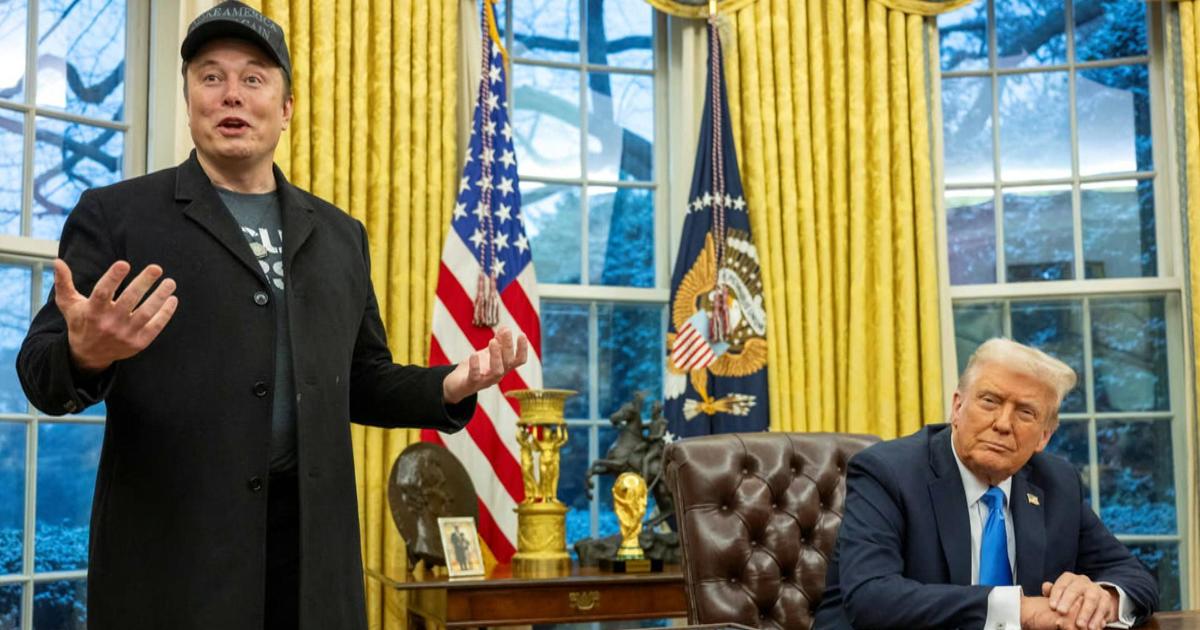
Elon Musk’s Controversial Stance on Federal Cuts: An Overview
In a recent statement that has stirred considerable discussion, Elon Musk has taken a definitive stance regarding federal budget cuts, firmly rejecting any allegations of a conflict of interest. This bold position comes at a time when many are questioning the implications of such cuts on the tech industry, particularly as Musk’s companies—Tesla, SpaceX, and others—are heavily intertwined with federal contracts and funding.
Understanding the Context of Federal Budget Cuts
The federal budget is a complex framework that determines how taxpayer dollars are allocated across various sectors, including defense, healthcare, education, and technology. In recent months, the U.S. government has proposed significant cuts to several programs, aiming to reduce the national deficit and streamline expenditures. These cuts have raised eyebrows, especially among tech leaders who rely on government contracts and subsidies.
For Musk, whose ventures often operate at the cutting edge of technology and innovation, these budget cuts could have far-reaching implications. However, he argues that his companies are resilient enough to withstand these changes without compromising their core missions.
Elon Musk’s Response to Conflict of Interest Claims
Amidst the outcry surrounding the proposed federal cuts, allegations surfaced suggesting that Musk’s vocal opposition to these budgetary changes was self-serving, fueled by his financial interests in government contracts. In response, Musk issued a statement defending his position, emphasizing that his concerns are rooted in a broader vision for technological advancement and not merely personal gain.
Musk stated, “I believe in a future where technology can solve many of the world’s problems, and federal support is crucial for achieving that vision. My advocacy for maintaining funding is about the future of innovation, not about protecting my businesses.” This perspective highlights his view that the interplay between federal funding and technological advancement is essential for the growth and sustainability of the industry.
The Implications for Musk’s Enterprises
The relationship between Elon Musk’s companies and federal funding is intricate. Tesla has benefited from federal tax credits for electric vehicles, while SpaceX has secured numerous contracts with NASA and the Department of Defense. Notably, these relationships have positioned Musk as a prominent figure in discussions about the future of transportation and space exploration.
- Tesla: The electric vehicle manufacturer has leveraged federal incentives to accelerate its growth, making electric vehicles more accessible to consumers.
- SpaceX: With contracts that include launching satellites and resupplying the International Space Station, SpaceX’s success is closely tied to government partnerships.
Given this context, Musk’s assertion that his interests do not conflict with the need for federal support raises important questions. If federal cuts were to severely impact funding for electric vehicles or space exploration, could Musk’s companies remain competitive? In a rapidly evolving tech landscape, the answer could shape the future of the industry.
Broader Implications for the Tech Industry
Musk’s statements not only reflect his personal interests but also resonate with broader concerns within the technology sector. Many industry leaders are apprehensive about the potential fallout from federal budget cuts, fearing that reduced funding could stifle innovation and slow progress across various fields.
For instance, funding for research and development in renewable energy, artificial intelligence, and space exploration is critical for maintaining the U.S. position as a leader in these areas. The potential reduction in federal support could lead to:
- Decreased Innovation: Without federal investment, startups and established companies may struggle to fund their projects.
- Job Losses: A decline in government contracts can lead to layoffs, particularly in sectors that rely heavily on public funding.
- Global Competitiveness: Other countries may seize the opportunity to invest more heavily in technology, leaving U.S. companies at a disadvantage.
Potential Solutions and Future Considerations
As the debate around federal budget cuts continues, several potential solutions could mitigate the negative impacts on the tech industry. Musk himself has suggested focusing on collaborative partnerships between the government and private sector to foster innovation without solely relying on federal funding.
Some proposed solutions include:
- Public-Private Partnerships: Encouraging collaboration between government entities and private companies can lead to innovative solutions that benefit both sectors.
- Incentives for Innovation: Developing new tax incentives for companies that invest in research and development could stimulate growth in critical areas.
- Streamlined Regulations: Reducing bureaucratic hurdles can allow companies to access funding more efficiently, ensuring that technological advancements are not delayed.
The Importance of Advocacy in the Tech Sector
Musk’s stance exemplifies the importance of advocacy in the technology sector. As an influential figure, his voice carries weight, and his defense against conflict of interest claims underscores the need for industry leaders to engage in discussions about federal policy and its implications.
Ultimately, the outcome of the federal budget discussions will significantly impact the trajectory of not only Musk’s ventures but also the broader tech ecosystem. The coming months will be crucial as stakeholders navigate this complex landscape, advocating for policies that support innovation and growth.
Elon Musk’s controversial stance on federal cuts and his vigorous defense against conflict of interest claims paint a vivid picture of the challenges and opportunities facing the tech industry. As federal budget discussions unfold, the implications of these cuts extend beyond Musk’s companies, affecting the entire landscape of technological innovation in the United States.
As we move forward, the dialogue surrounding these issues will be essential in shaping policies that foster a robust environment for innovation. The collaboration between the government and private sectors will be vital for ensuring that the United States remains at the forefront of technological advancement, driving progress not just for Musk’s ventures, but for the benefit of society as a whole.
See more Business Focus Insider Team
