
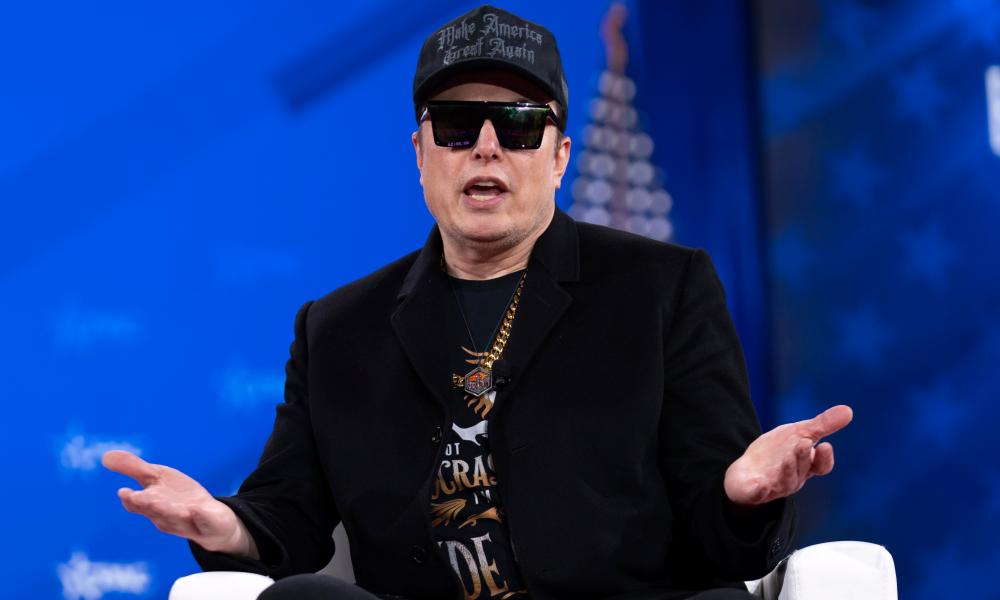
Unveiling Musk’s Cost-Cutting Strategy: Where Did the Billions Go?
In the fast-paced world of technology and innovation, few figures are as polarizing as Elon Musk. Known for his visionary approach and relentless drive, Musk has recently embarked on an aggressive cost-cutting strategy that has left many investors and industry analysts scratching their heads. In a surprising turn of events, reports suggest that billions in projected savings from official statements have seemingly evaporated. This investigation delves deep into the implications of these changes and what they mean for the future of Musk’s ventures, particularly Tesla and SpaceX, as well as his other ambitious pursuits.
The Cost-Cutting Context
The backdrop to Musk’s cost-cutting strategy is a complex interplay of market dynamics, rising inflation, and the ongoing global supply chain disruptions. As the world emerges from the shadow of the COVID-19 pandemic, businesses everywhere are grappling with increased operational costs and shifting consumer behavior. Musk, always one to adapt quickly, has opted to streamline operations across his companies.
The cost-cutting measures reportedly include:
- Reducing workforce: Tesla, for example, has been reported to cut thousands of jobs, primarily in administrative and non-production roles.
- Scrutinizing supplier contracts: Musk’s teams have been instructed to renegotiate contracts with suppliers to secure better terms and lower prices.
- Halting new projects: Some ambitious projects, such as new Gigafactories in certain regions, have been put on hold or scaled back significantly.
- Optimizing manufacturing processes: Tesla has been focusing on increasing efficiency in its production lines to reduce waste and costs.
These measures, while perhaps necessary in the current economic climate, have sparked debates about their long-term implications on Musk’s enterprises.
Where Did the Billions Go?
So, where exactly did the promised savings go? The initial projections indicated that these cost-cutting strategies would yield substantial savings, potentially in the billions. However, as the dust settles, the reality appears more nuanced.
One of the critical aspects of Musk’s approach is his focus on rapid scaling and innovation. While slashing costs might yield immediate financial relief, it can also hamper the long-term growth prospects of his companies. For instance, the workforce reductions may save money in the short term but could lead to increased burnout and decreased productivity among remaining employees.
Furthermore, the decision to halt certain projects may save money now but could stifle innovation in the future. Musk’s ventures thrive on pushing boundaries, and any slowdown in that momentum could have far-reaching consequences.
The Implications for Tesla and SpaceX
For Tesla, the implications of Musk’s cost-cutting strategy are particularly pronounced. The electric vehicle market is fiercely competitive, and maintaining a leadership position requires constant innovation and adaptation. If Tesla’s production capabilities are hampered by workforce reductions or halted projects, it risks losing ground to competitors like Rivian, Lucid Motors, and traditional automakers who are ramping up their EV efforts.
Similarly, SpaceX, which has revolutionized space travel, relies heavily on a combination of innovation and rapid iteration. Cutting costs at the expense of groundbreaking projects could delay missions and impact the company’s aspirations for Mars colonization and satellite deployment.
Investor Reactions and Market Sentiment
Investor sentiment regarding Musk’s cost-cutting measures has been mixed. On one hand, some investors appreciate the pragmatism behind these strategies, especially in a turbulent economic landscape. They recognize that cost efficiency can lead to healthier profit margins and sustainable growth.
On the other hand, there is concern about the long-term vision. Investors who have traditionally supported Musk’s bold ideas may feel uneasy about a shift toward austerity. The essence of Musk’s appeal lies in his ability to dream big and execute on those dreams. If he becomes too focused on cutting costs, it could alter the very fabric of his companies’ identities.
Looking Ahead: A Balancing Act
As Musk navigates the complexities of cost-cutting, the future of his companies will hinge on finding a balance between efficiency and innovation. The challenge will be to streamline operations without stifling the creativity and ambition that have characterized his ventures.
Some potential strategies that Musk could explore include:
- Investing in automation: By leveraging advanced technologies, Tesla and SpaceX could reduce labor costs while maintaining production levels.
- Fostering a culture of innovation: Encouraging employees to contribute ideas for cost-saving measures or efficiency improvements can empower teams and drive engagement.
- Strategic partnerships: Collaborating with other companies to share resources and reduce costs could help mitigate financial pressures.
- Long-term vision focus: Maintaining a clear long-term vision while implementing short-term cost savings can help ensure that Musk’s companies continue to push boundaries.
The Bottom Line
Elon Musk’s cost-cutting strategy is a fascinating case study in the intersection of innovation, finance, and leadership. While the immediate effects of these measures may lead to improved financials, the broader implications on growth, morale, and technological advancement must be carefully considered.
In the fast-evolving landscape of technology and automotive industries, where competition is fierce and consumer expectations are high, Musk’s ability to balance cost-cutting with innovation will determine the trajectory of his ventures. As the dust settles and the financial reports come in, one question persists: can Musk maintain his reputation as a pioneer while navigating the complex demands of fiscal responsibility? Only time will tell.
In conclusion, the future of Musk’s ventures is as intriguing as ever, and how he manages these cost-cutting measures will be a critical aspect to watch in the coming months and years. The world remains captivated by his journey, with the hope that he will continue to lead with both vision and pragmatism.
See more Business Focus Insider Team
