
A Wake-Up Call: The Rise and Fall of Prominent EV Startups
The electric vehicle (EV) industry has experienced a whirlwind of innovation and ambition over the past decade. Yet, alongside the success stories, we find a significant number of ambitious EV startups that have faltered. As Nikola joins the ranks of failed electric vehicle startups, it’s crucial to delve into the journeys of these companies, understand the challenges they faced, and extract valuable lessons from their experiences. This article aims to provide a comprehensive overview of the rise and fall of prominent EV startups and what we can learn from their stories.
The EV Boom: A Promising Landscape
In the early 2010s, the EV market was ripe for disruption. The combination of technological advancements, growing environmental awareness, and government incentives led to a surge in interest for electric vehicles. Startups like Tesla, Rivian, and Lucid Motors emerged, capturing the imagination of investors and consumers alike. The potential for a cleaner, sustainable future drove many entrepreneurs to launch their own EV companies.
However, the success of a few has often overshadowed the struggles of many. Startups without the backing of solid financials, a clear strategy, or a robust technological foundation have found themselves unable to compete in a rapidly evolving market.
A Closer Look at Failed Startups
Several notable EV startups have faced significant challenges, leading to their decline. Here are some prominent examples:
- Fisker Automotive: Founded in 2007, Fisker aimed to produce luxury electric vehicles. Despite initial excitement and a significant investment, the company fell victim to production delays and financial mismanagement. By 2013, Fisker declared bankruptcy.
- Faraday Future: This startup attracted attention with its promises of high-performance electric vehicles. However, it faced financial difficulties, internal strife, and production setbacks, leading to a significant reduction in its workforce and limited vehicle availability.
- Canoo: Originally seen as a promising player in the EV space with its innovative designs, Canoo has struggled to secure necessary funding and navigate regulatory hurdles, ultimately delaying its product launches and diminishing investor confidence.
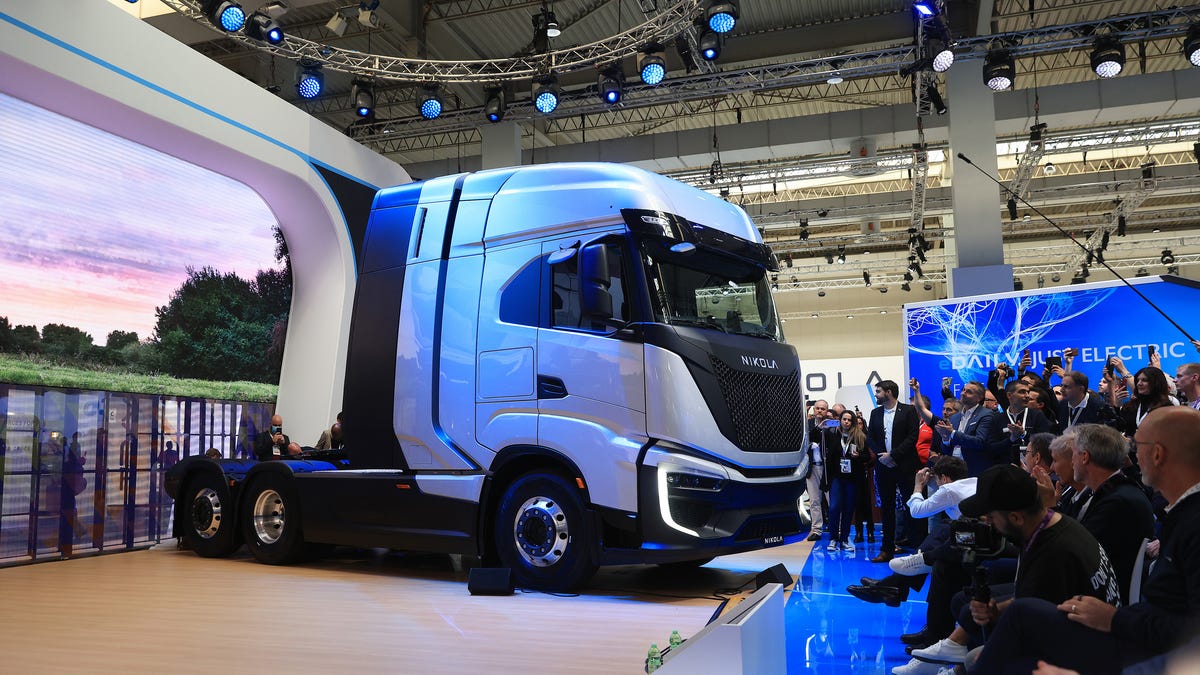
- Nikola Corporation: Once heralded as a rival to Tesla, Nikola’s reputation plummeted following allegations of fraud and a lack of tangible products. The company’s ambitious hydrogen truck plans have yet to materialize, leading to skepticism about its future.
Common Pitfalls: What Went Wrong?
The failures of these EV startups can often be traced back to several common pitfalls:
- Overpromising and Underdelivering: Many startups set lofty goals without the infrastructure or technology to back them up, leading to disillusionment among investors and consumers.
- Financial Mismanagement: Startups often operate on tight budgets. Misallocation of resources or failure to secure continuous funding can lead to operational halts.
- Lack of a Clear Business Model: Some companies entered the market without a well-defined strategy for scaling production or reaching consumers effectively.
- Regulatory Challenges: Navigating the complex web of automotive regulations can be daunting, and many startups underestimated the time and resources required to comply.
Lessons Learned from EV Startups
While the rise and fall of these startups can seem discouraging, there are valuable lessons to be gleaned from their journeys:
- Focus on Sustainable Growth: Startups must prioritize sustainable business practices over rapid expansion. Building a strong foundation can lead to long-term success.
- Transparency is Key: Maintaining open communication with investors and customers can build trust and foster loyalty.
- Adaptability: The EV market is continuously changing. Startups need to be flexible and ready to pivot based on market demands and technological advancements.
- Engage with Regulatory Bodies Early: Establishing strong relationships with regulatory agencies can streamline compliance and mitigate potential legal issues.
The Future of EV Startups: An Optimistic Outlook
Despite the challenges faced by many startups, the EV market is undeniably poised for continued growth. The increasing demand for sustainable transportation solutions, coupled with advancements in battery technology and charging infrastructure, creates a fertile ground for innovation.
Moreover, established companies are also entering the EV space, providing a wealth of resources and experience to new entrants. Partnerships with traditional automakers can offer startups the financial backing and operational expertise needed to navigate the complexities of vehicle production.
Conclusion: A Call to Action
The rise and fall of prominent EV startups serve as a wake-up call for entrepreneurs in the automotive industry. While the path to success is fraught with challenges, understanding the lessons from previous failures can empower new ventures to thrive. As Nikola’s story unfolds, it reminds us of the importance of resilience, transparency, and sustainable growth in shaping the future of electric vehicles. The journey of EV startups may be tumultuous, but it is also filled with potential for those willing to learn, adapt, and innovate.
In the end, the electric vehicle revolution is not just about the cars themselves; it’s about the vision of a cleaner, more sustainable world. With the right approach, the next wave of EV startups can rise to meet the challenges head-on and drive us toward a greener future.
See more Business Focus Insider Team
