
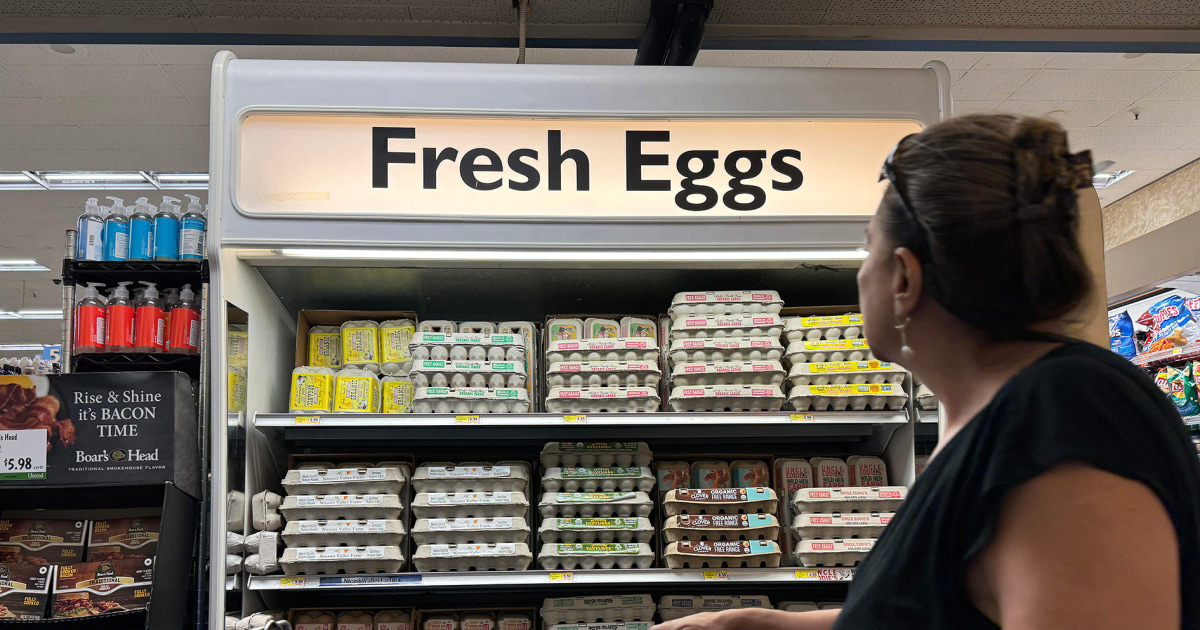
The Surge in Egg Prices: Understanding the Bird Flu Crisis
The surge in egg prices has become a pressing issue for consumers and farmers alike, largely driven by a significant outbreak of bird flu that has swept through poultry farms across the United States and other countries. As egg prices climb to unprecedented levels, concerns about food security and the financial implications for households and the agricultural sector have taken center stage. This article delves into the reasons behind the price surge, the impact of the bird flu crisis, and what it means for consumers and farmers moving forward.
The Bird Flu Outbreak: A Brief Overview
Bird flu, or avian influenza, is a highly contagious viral infection that affects birds, particularly poultry. The most recent outbreak, caused by the H5N1 strain, has resulted in the culling of millions of infected birds. The USDA reported losses in the hundreds of thousands of birds in various states, significantly disrupting the supply chain.
The virus spreads rapidly, often through direct contact with infected birds or contaminated environments. Once a farm is affected, it typically undergoes stringent biosecurity measures to prevent further spread, including the culling of flocks to safeguard neighboring farms. This drastic approach is necessary to contain the virus, but it has led to a severe reduction in the number of laying hens available for egg production.
Why Are Egg Prices Rising? The Economics of Supply and Demand
The fundamental economic principle of supply and demand is at play in the current surge in egg prices. With millions of hens lost to the bird flu outbreak, the supply of eggs has plummeted. Even as consumer demand for eggs remains steady, the reduction in supply has led to soaring prices. Here are some key factors contributing to this situation:
- Decreased Production: The culling of infected birds has directly impacted the number of eggs produced. With fewer hens, fewer eggs are available on the market.
- Increased Costs for Farmers: Farmers face rising costs associated with biosecurity measures, feed, and replacement flocks. These increased operational costs are often passed on to consumers.
- Consumer Panic Buying: As prices rise, some consumers may panic buy, exacerbating shortages and driving prices even higher.
- Seasonal Demand Fluctuations: The holiday seasons often see an increase in egg demand for baking and cooking, further straining the already limited supply.
The Broader Implications of Rising Egg Prices
The surge in egg prices extends beyond the grocery store aisles. It has broader implications for food security, the agricultural industry, and consumers:
- Food Security Concerns: Eggs are a staple protein source for many households. Rising prices can lead to increased food insecurity, particularly among lower-income families who rely on affordable protein sources.
- Impact on Farmers: While some farmers may benefit from higher prices, others, particularly small-scale producers, might struggle if they cannot recover their costs or maintain their customer base.
- Market Volatility: The agricultural market is sensitive to fluctuations. The current crisis may lead to long-term price volatility, impacting everything from consumer purchasing behavior to global trade dynamics.
Consumer Strategies in a Changing Market
For consumers facing rising egg prices, there are a few strategies they can employ to mitigate the impact:
- Buy in Bulk: Purchasing eggs in larger quantities can help lock in prices before they rise further, provided you have the storage space.
- Explore Alternatives: Consider substituting eggs with other protein sources, such as beans, lentils, or dairy products, which may remain more stable in price.
- Support Local Farmers: Buying eggs directly from local farms can sometimes offer more competitive pricing and fresher products while supporting the local economy.
Looking Ahead: Recovery and Resilience in the Poultry Industry
While the current surge in egg prices is alarming, it’s important to consider the potential for recovery within the poultry industry. Farmers and agricultural organizations are working diligently to implement enhanced biosecurity measures and improve flock health to prevent future outbreaks.
Here are some optimistic trends to consider:
- Innovation in Biosecurity: Advances in biosecurity protocols and technology can help farmers better protect their flocks from disease, reducing the likelihood of future outbreaks.
- Diversification of Poultry Production: Some farmers may explore diversifying their production methods or investing in more resilient breeds that can withstand disease better.
- Consumer Awareness: As consumers become more educated about food sourcing and agricultural practices, there may be a shift towards purchasing from responsible and sustainable farms, influencing market dynamics.
The surge in egg prices, largely driven by the bird flu crisis, presents significant challenges for consumers and farmers alike. Understanding the dynamics of supply and demand, the implications for food security, and the strategies available for consumers can help navigate this complex situation. While the current landscape may seem daunting, the resilience of the agricultural sector and the potential for recovery offer a glimmer of hope for the future.
As we move forward, maintaining open communication between farmers, consumers, and policymakers will be crucial in building a more robust and secure food system. By supporting local agriculture and staying informed about market trends, we can all play a part in mitigating the impacts of this crisis and fostering a sustainable future for the poultry industry.
See more Business Focus Insider Team
