
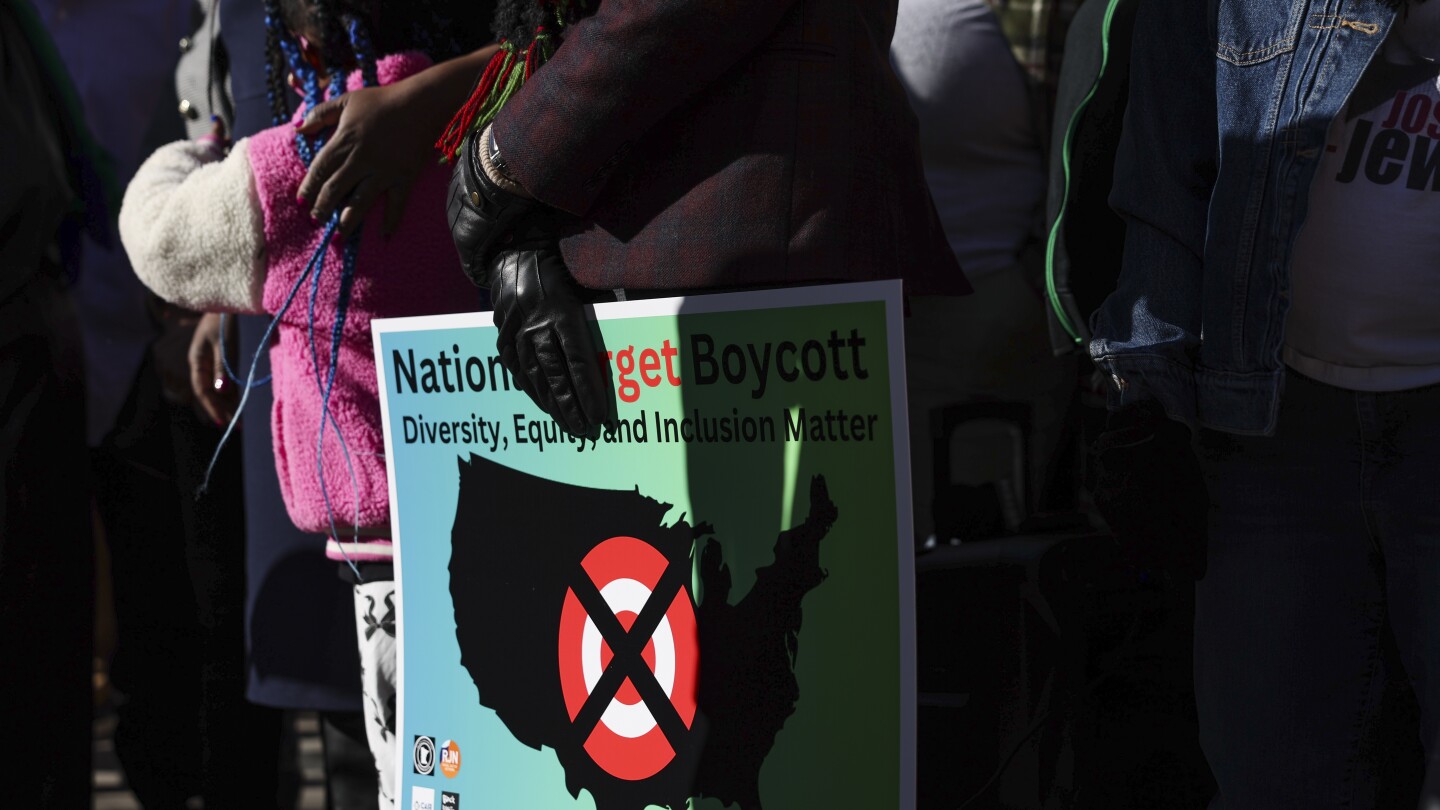
Reassessing Diversity: Which Major US Companies Are Scaling Back Efforts?
As the dialogue around corporate diversity evolves, several prominent US companies are reassessing their diversity initiatives. This shift is not merely a reaction to external pressures but reflects a complex interplay of internal evaluations, market dynamics, and evolving societal expectations. Understanding the reasons behind these changes is crucial, as it highlights the implications for the workforce and society at large.
The Landscape of Corporate Diversity Initiatives
In recent years, corporate diversity initiatives surged to the forefront of business strategy. Companies felt an increasing need to address historical inequities and create more inclusive environments. This movement was largely catalyzed by heightened awareness of social justice issues, particularly following events such as the Black Lives Matter protests. As a result, many organizations made bold commitments to increase representation across various dimensions, including race, gender, and LGBTQ+ identities.
However, the landscape is shifting. Prominent companies are now reassessing their approaches to diversity. Some are scaling back their efforts, which raises several questions: Why are these companies retreating from their commitment to diversity? What factors are influencing this decision? And what does this mean for the future of workplace inclusivity?
Reasons for Scaling Back Diversity Efforts
There are several intertwined reasons why some major US companies are reconsidering their diversity strategies:
- Economic Pressures: The economic climate is changing, with rising inflation and market uncertainties prompting companies to tighten budgets. In many cases, diversity initiatives are viewed as optional expenditures that can be cut or scaled back in favor of more immediate financial priorities.
- Shifts in Leadership Perspectives: Leadership changes can significantly impact a company’s commitment to diversity. New executives may have different views on the importance of diversity initiatives or may prioritize other areas of business development.
- Backlash and Criticism: Some companies have faced backlash for perceived tokenism in their diversity efforts. Critics argue that initiatives can sometimes lack sincerity and depth, leading to a re-evaluation of such programs.
- Measuring Success: Many organizations struggle to quantify the impact of their diversity initiatives. Without clear metrics or success stories, companies may question the effectiveness of their investments in diversity.
Notable Companies Scaling Back Efforts
Several major US companies have recently made headlines for scaling back their diversity initiatives. Here are a few notable examples:
- Twitter: Following its acquisition by Elon Musk, Twitter has seen significant changes in its corporate structure and priorities, including a reduction in its diversity team. This shift has raised concerns among employees and advocates who fear that the platform may become less inclusive.
- Disney: Disney faced scrutiny after announcing a pause in its diversity recruitment efforts. The company cited a need to reassess its overall hiring strategy amid changing market conditions.
- Meta (Facebook): Meta has also adjusted its diversity hiring goals, focusing instead on performance metrics that align more closely with business outcomes rather than solely diversity metrics.
The Implications of Scaling Back Diversity Initiatives
The decision to scale back diversity efforts can have profound implications not only for the companies themselves but also for employees and society at large.
Impact on Employees
For employees, the scaling back of diversity initiatives can lead to a sense of alienation and decreased morale, especially among underrepresented groups. Employees who once felt valued and included may now feel that their voices are being sidelined. This can result in:
- Higher Turnover Rates: Employees may seek opportunities at companies that demonstrate a stronger commitment to diversity and inclusion.
- Decreased Innovation: Diverse teams are often more innovative. A reduction in diversity can stifle creativity and limit the range of perspectives that drive business growth.
- Negative Brand Perception: Companies that appear to retract their diversity commitments risk negative public perception, which can affect customer loyalty and brand reputation.
Broader Societal Impacts
The implications extend beyond individual companies. As major US corporations scale back their diversity initiatives, the ripple effects can be felt throughout society:
- Reinforcement of Inequality: Reduced diversity efforts can reinforce systemic inequalities, making it harder for marginalized communities to access opportunities.
- Public Discourse on Diversity: The scaling back can shift public discourse around diversity, potentially shifting societal norms and expectations regarding inclusivity.
- Impact on Future Generations: A decline in diversity initiatives may influence how future generations view diversity and inclusion in the workplace, possibly leading to a less equitable workforce.
Finding a Path Forward
While the reassessment of diversity initiatives poses challenges, it also opens up opportunities for companies to rethink their strategies in more meaningful ways. Here are some potential paths forward:
- Implementing Genuine Engagement: Companies should focus on authentic engagement with employees and stakeholders to understand their needs and perspectives, ensuring that diversity initiatives are not just performative.
- Setting Clear Metrics: Establishing clear and measurable goals for diversity initiatives can help companies track progress and demonstrate the value of these efforts.
- Building Inclusive Cultures: Beyond hiring practices, fostering an inclusive culture where all employees feel safe and valued is crucial. This involves ongoing education, training, and open dialogue.
Conclusion
As the landscape of corporate diversity evolves, major US companies reassessing their efforts face a pivotal moment in shaping the future of inclusivity in the workplace. While some companies may be scaling back their diversity initiatives, this presents an opportunity for reflection and renewal. By prioritizing genuine engagement, clear metrics, and inclusive cultures, organizations can pave the way for a more equitable future. Ultimately, the journey toward true diversity and inclusion is ongoing, requiring constant commitment and adaptation to meet the needs of both employees and society.
See more Business Focus Insider Team
