
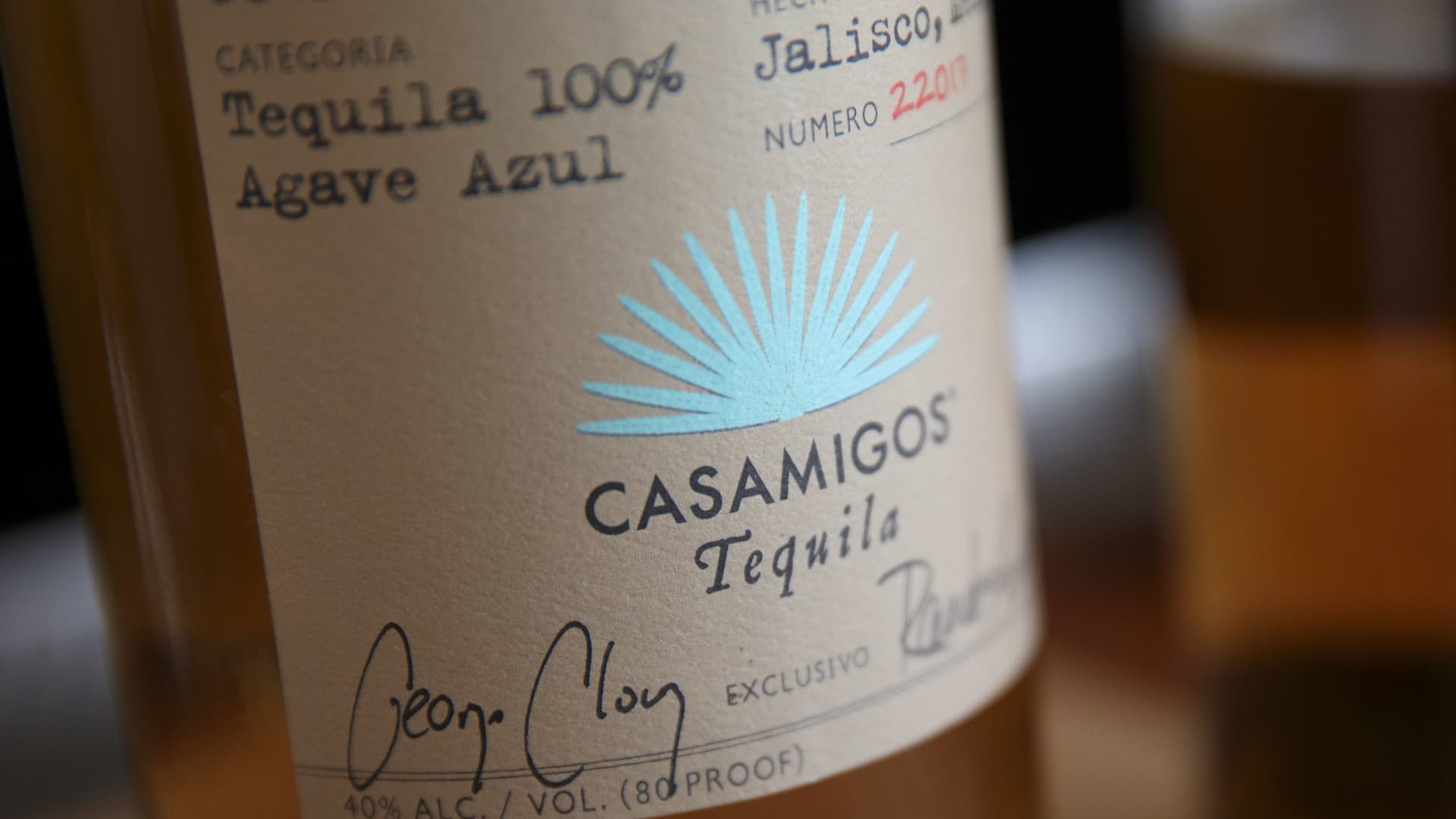
As uncertainty looms over U.S. tariffs, Diageo has made the significant decision to withdraw its medium-term guidance. This pivotal move raises important questions about the future of the spirits industry and highlights the challenges faced by global brands in an unpredictable trade environment. With the spirits market being a crucial segment of the economy, understanding Diageo’s strategic shift in response to tariff turbulence is essential for stakeholders and consumers alike.
The Context of U.S. Tariff Turbulence
The U.S. has long been a key player in international trade, but recent years have seen a shift toward protectionism, with tariffs imposed on various goods, including alcoholic beverages. These tariffs not only affect pricing but also the overall competitiveness of brands like Diageo, which boasts a broad portfolio of premium spirits, including Johnnie Walker, Smirnoff, and Guinness.
In 2020, the U.S. introduced tariffs on certain European imports, including whiskey and other spirits, as part of an ongoing trade dispute. This situation has created an environment of uncertainty, leading companies to reevaluate their strategies. For Diageo, which generates a substantial portion of its revenue from the U.S. market, the implications of these tariffs are particularly significant.
Diageo’s Decision to Withdraw Medium-Term Guidance
In light of these evolving trade dynamics, Diageo’s decision to withdraw its medium-term guidance can be viewed as a prudent response to the unpredictability of the market. This move indicates a recognition that external factors, such as tariffs and supply chain disruptions, can significantly impact financial forecasts.
By stepping back from providing specific guidance, Diageo allows itself the flexibility to adapt to changing circumstances. This strategic shift reflects a broader trend among multinational corporations that are increasingly cautious about making long-term predictions in an unstable trade environment.
Implications for Diageo and the Spirits Industry
Diageo’s withdrawal of medium-term guidance carries several implications:
- Market Uncertainty: Investors and analysts may react negatively to the lack of guidance, which could result in stock volatility. A cautious approach may, however, earn the company credibility as it navigates through turbulent times.
- Pricing Strategies: As tariffs increase costs, Diageo may need to adjust its pricing strategies to maintain profit margins. This could lead to changes in consumer behavior, as higher prices might push some customers to seek alternatives.
- Focus on Innovation: To mitigate the effects of tariffs, Diageo might ramp up its focus on innovation and new product development. Introducing unique offerings tailored to changing consumer preferences could help maintain market share.
- Supply Chain Adjustments: The company may need to re-evaluate its supply chain strategies, potentially sourcing materials from different regions to avoid tariff impacts.
Consumer Behavior in a Changing Market
As Diageo navigates these turbulent waters, understanding how consumer behavior is evolving is critical. The spirits industry has seen shifts in preferences, with consumers increasingly gravitating toward premium and craft products. This trend creates both challenges and opportunities for major players like Diageo.
The growing demand for premium spirits means that Diageo’s high-end offerings could continue to perform well, even in a challenging tariff environment. However, if prices rise significantly due to tariffs, consumers might pivot toward more affordable options, impacting sales.
Strategies for Adaptation
To stay competitive amid U.S. tariff turbulence, Diageo may employ several strategies:
- Local Sourcing: By sourcing ingredients and products locally, Diageo can reduce its exposure to tariffs and improve its supply chain resilience.
- Consumer Engagement: Strengthening relationships with consumers through targeted marketing campaigns can help maintain brand loyalty, even if prices fluctuate.
- Portfolio Diversification: Expanding its product range to include more non-alcoholic and low-alcohol options could attract a broader customer base, providing a buffer against tariff impacts on traditional spirits.
The Future of Diageo and the Spirits Industry
While the immediate future may seem uncertain, Diageo’s strategic shift can also be seen as an opportunity for growth and adaptation. By embracing flexibility and innovation, the company can position itself to thrive in a rapidly changing landscape.
The spirits industry as a whole is resilient, with a history of weathering economic storms. Despite the challenges posed by tariffs, there are signs of optimism. As global markets stabilize and consumer preferences evolve, brands that can successfully navigate these changes will likely emerge stronger.
Long-Term Outlook
Looking ahead, the long-term outlook for Diageo and the spirits industry will depend on various factors, including:
- Trade Relations: The resolution of trade disputes and the future of U.S. tariffs will significantly influence market conditions.
- Consumer Trends: Ongoing shifts in consumer preferences toward premium and sustainable products will shape industry dynamics.
- Technological Advancements: Innovations in production and distribution can enhance efficiency and reduce costs, benefiting companies like Diageo.
In conclusion, Diageo’s strategic shift in withdrawing its medium-term guidance amidst U.S. tariff turbulence underscores the complexity of operating in today’s global economy. While challenges abound, the company’s ability to adapt and innovate will be crucial in determining its future success and that of the broader spirits industry.
As stakeholders watch closely, the potential for recovery and growth remains on the horizon, provided that Diageo and similar brands can navigate the intricate landscape of tariffs, consumer preferences, and market dynamics.
See more Business Focus Insider Team
