
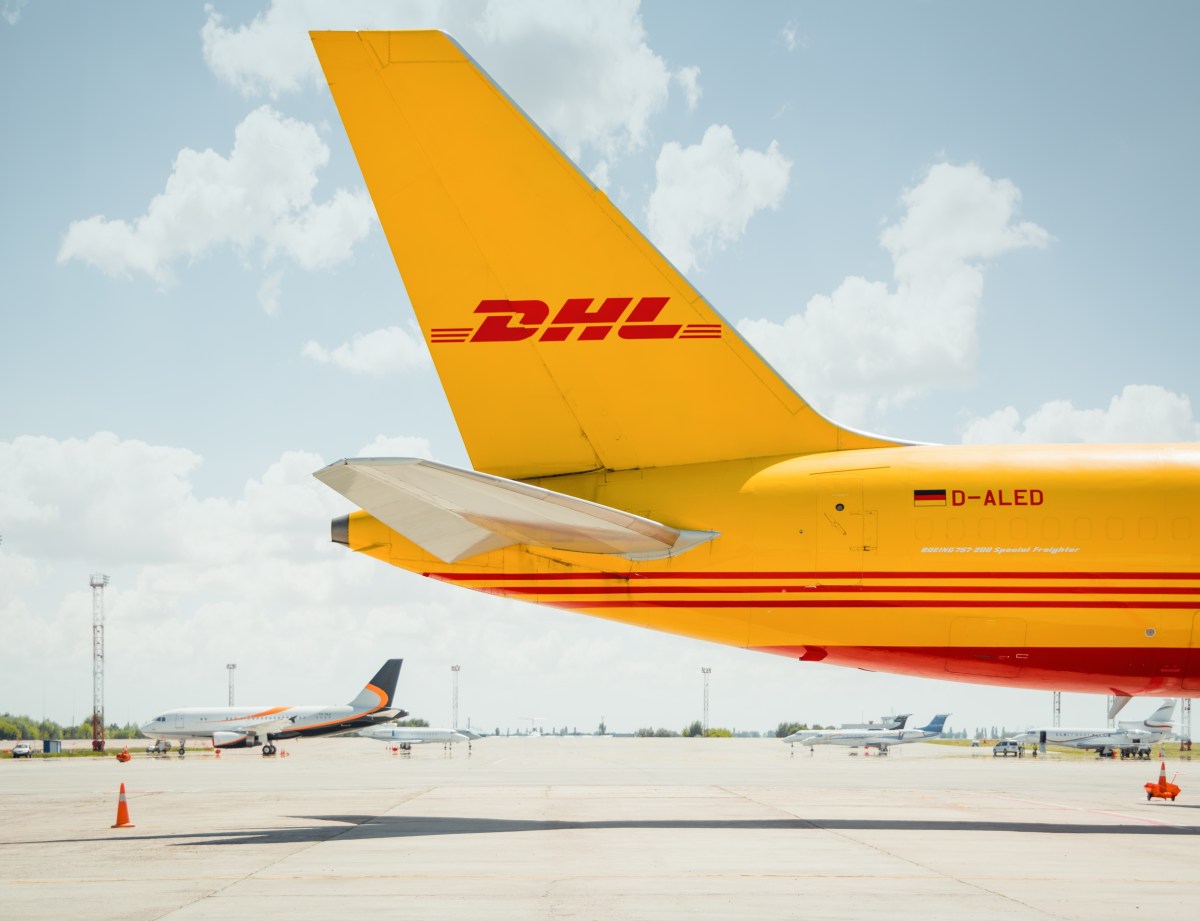
DHL Express Halts Shipments Over $800 to the U.S.: What You Need to Know
In a sudden policy shift, DHL Express has suspended all shipments valued above $800 to the United States, citing stricter customs enforcement. The change, effective immediately, stems from new U.S. Customs and Border Protection (CBP) regulations aimed at curbing undervaluation fraud. Businesses and consumers face disruptions as the logistics giant adapts to the compliance overhaul.
Why DHL Express Made the Move
The suspension follows heightened scrutiny by U.S. authorities on undervalued imports, which cost the government an estimated $2 billion annually in lost duties, according to CBP data. DHL confirmed the policy targets “enhanced transparency,” requiring additional documentation for high-value goods. “This is a temporary measure to align with regulatory requirements,” a DHL spokesperson stated, though no timeline for resumption was provided.
Trade experts suggest the move reflects broader tensions in global shipping. John Keller, a supply chain analyst at Trade Logistics International, noted, “Companies are caught between tightening customs regimes and rising demand for cross-border e-commerce. DHL’s decision highlights the growing compliance burden for carriers.”
Impact on Businesses and Consumers
The policy disrupts sectors reliant on expedited international shipping:
- E-commerce retailers: Small businesses using DHL for high-value items like electronics or luxury goods must pivot to pricier alternatives.
- Manufacturers: Just-in-time supply chains face delays for critical components shipped via express routes.
- Consumers: Orders exceeding $800 may incur higher costs or longer wait times with standard freight services.
Data from e-commerce platform Shopify reveals that 18% of U.S.-bound cross-border orders exceed the $800 threshold, signaling widespread ripple effects. “This creates a logistical nightmare for sellers already grappling with inflation,” said retail consultant Maria Chen.
Behind the Customs Crackdown
The CBP’s Section 321 De Minimis rule, which allows duty-free imports under $800, has long been criticized for loopholes. A 2023 Government Accountability Office report found that 15-20% of shipments misdeclare values to exploit the threshold. The DHL suspension suggests carriers are preemptively avoiding penalties—up to $10,000 per violation—under the new enforcement regime.
Alternative Shipping Options
While DHL Express pauses services, competitors like FedEx and UPS continue processing high-value U.S. shipments—though with stricter invoicing checks. However, costs may rise:
- Freight forwarders: Offer consolidated shipping but add 2-5 days to delivery times.
- Regional carriers: Some Asian and European providers still accept $800+ parcels, albeit with less tracking transparency.
“Businesses should audit their supply chains now,” advised Keller. “Diversifying carriers and preemptively submitting detailed customs forms can mitigate delays.”
What’s Next for International Shipping?
The DHL freeze may signal a broader industry trend. The CBP has hinted at expanding audits to all express carriers by 2025, potentially standardizing stricter rules. Meanwhile, the European Union and Canada are reviewing similar de minimis thresholds, which could further complicate global trade.
For affected stakeholders, proactive steps include:
- Reviewing order values and splitting shipments where feasible.
- Budgeting for higher shipping costs or exploring local sourcing.
- Monitoring CBP updates for policy adjustments.
As customs frameworks evolve, adaptability becomes key. Stay informed with the latest trade regulations by subscribing to industry newsletters or consulting a logistics specialist.
See more Business Focus Insider Team
