
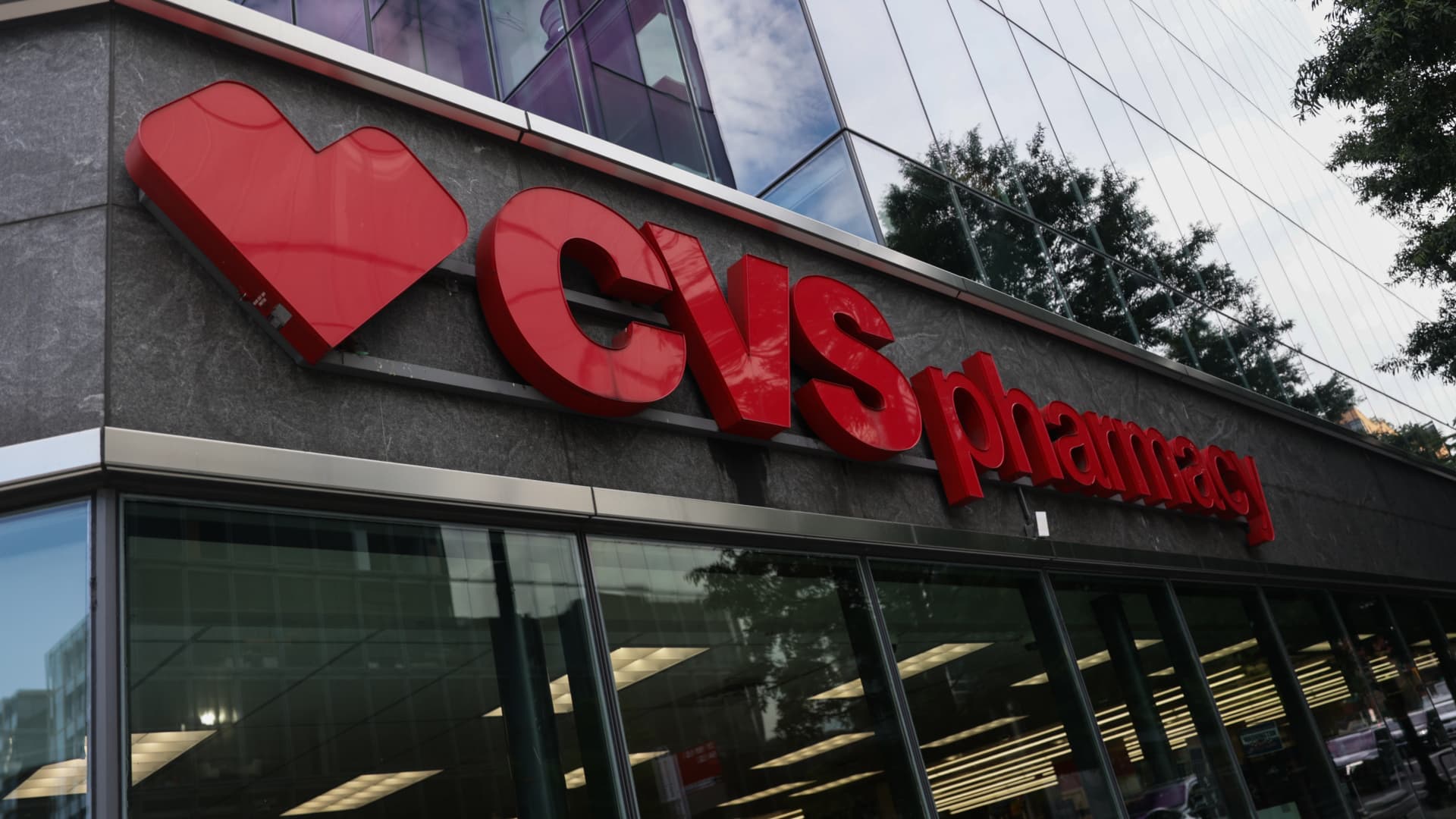
CVS Surprises Wall Street with Strong Earnings and Upgraded Forecasts
CVS Health outperformed Wall Street expectations in its latest quarterly earnings report, posting robust revenue growth and raising its full-year guidance. The healthcare giant announced the results on Wednesday, attributing its success to improved performance in its insurance division and cost-cutting measures. Analysts had anticipated modest gains, but CVS delivered a 6.5% year-over-year revenue increase, reaching $89.3 billion. The company now projects stronger earnings for the remainder of 2024, signaling confidence in its strategic initiatives.
Insurance Division Drives Unexpected Growth
CVS’s Aetna insurance arm emerged as a standout performer, with membership growth and lower medical costs boosting profitability. The segment reported a 12% increase in operating income, defying earlier concerns about rising healthcare expenses. “The insurance business has turned a corner,” said CEO Karen Lynch during the earnings call. “Our focus on value-based care and operational efficiency is paying off.”
Industry experts note that CVS’s integrated model—combining pharmacies, clinics, and insurance—gives it a competitive edge. “Their ability to manage patient care across multiple touchpoints reduces redundancies and improves outcomes,” said healthcare analyst David Franklin of Bernstein Research. “This quarter proves their strategy is working.”
Key Financial Highlights and Market Reaction
CVS’s earnings per share (EPS) of $2.31 surpassed estimates of $2.11, while revenue exceeded projections by nearly $2 billion. The company revised its full-year adjusted EPS forecast to $8.50–$8.70, up from $8.30–$8.50. Investors responded enthusiastically, driving shares up 4.5% in pre-market trading. Here’s a breakdown of the quarterly performance:
- Revenue: $89.3 billion (vs. $87.5 billion expected)
- Net income: $2.2 billion, up from $1.9 billion a year ago
- Pharmacy services: $46.2 billion in sales, a 5% increase
- Retail health clinics: Visits rose 8% year-over-year
Challenges and Competitive Pressures
Despite the upbeat results, CVS faces headwinds, including pharmacy reimbursement pressures and labor costs. Rivals like UnitedHealth and Amazon Pharmacy are aggressively expanding into primary care and prescription delivery. “CVS must continue innovating to maintain its lead,” warned Franklin. “The healthcare landscape is shifting rapidly.”
Meanwhile, the company’s recent $10.6 billion acquisition of Oak Street Health, a senior-care provider, has yet to yield significant returns. Lynch acknowledged the integration is “a multi-year process” but emphasized its long-term potential to reduce hospital admissions and cut costs.
Future Outlook: What’s Next for CVS?
CVS plans to double down on its health-services strategy, leveraging its MinuteClinic network and data analytics to improve patient engagement. It’s also testing new store formats with expanded wellness offerings, such as nutrition counseling and mental health services. “We’re not just a pharmacy or insurer—we’re a health solutions company,” Lynch asserted.
Analysts suggest CVS could benefit from an aging U.S. population and growing demand for convenient care. However, regulatory scrutiny of pharmacy benefit managers (PBMs) remains a wild card. Proposed reforms to drug-pricing models could impact profitability in future quarters.
Conclusion: A Resilient Performance in a Turbulent Sector
CVS’s strong earnings demonstrate its ability to adapt in a challenging industry. While risks persist, its diversified business model and upgraded forecasts inspire confidence. For investors, the message is clear: CVS is executing its playbook effectively. As the company pivots toward preventive care and digital health tools, its role in shaping the future of healthcare looks increasingly vital.
For more insights on healthcare stocks and market trends, subscribe to our daily financial newsletter.
See more Business Focus Insider Team
