
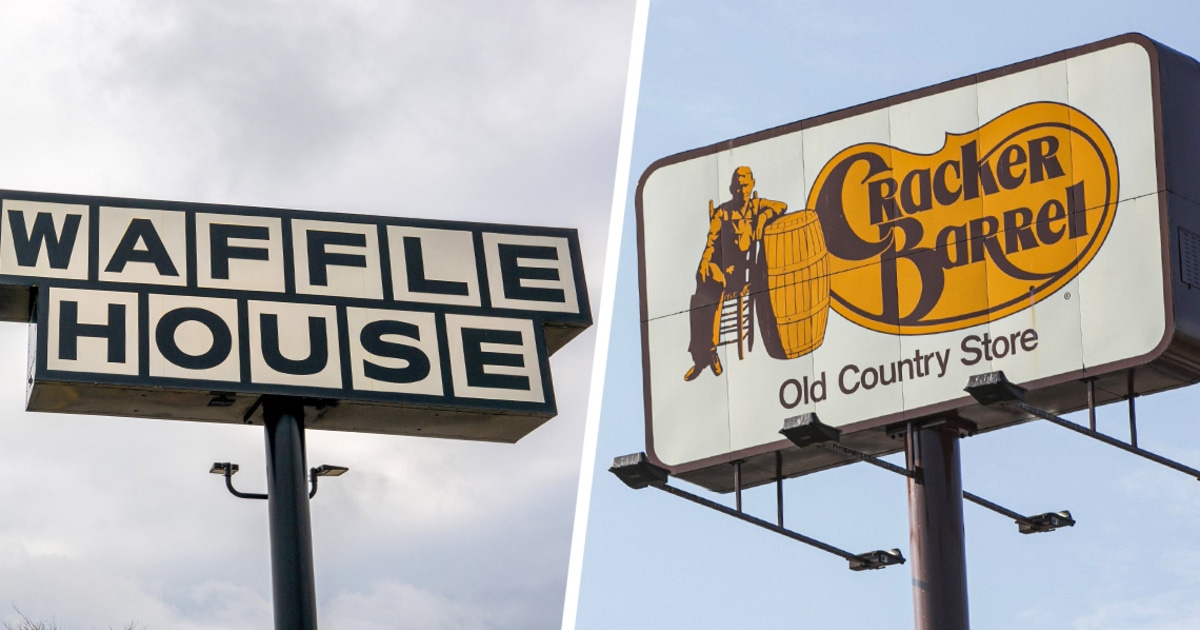
Cracker Barrel Takes Aim at Waffle House: A Hospitality Showdown Unfolds
In a surprising twist that has caught the attention of diners and industry insiders alike, Cracker Barrel has publicly criticized Waffle House over its surcharge policies. This unexpected rivalry brings to light important questions about hospitality standards in the restaurant industry, challenging our notions of customer service, corporate ethics, and the responsibilities of dining establishments. As these two iconic brands clash, we delve into the implications of this showdown and what it means for customers and the broader restaurant landscape.
The Nature of the Critique
The catalyst for this confrontation stems from Cracker Barrel’s concerns regarding Waffle House’s practice of charging surcharges during peak hours—a move that many argue undermines the essence of hospitality. Cracker Barrel, known for its warm, welcoming environment and a menu that emphasizes comfort food, has long positioned itself as a family-friendly dining option. By taking aim at Waffle House’s surcharge practices, Cracker Barrel aims to reinforce its commitment to customer satisfaction and affordable dining.
In a statement, Cracker Barrel’s spokesperson emphasized their dedication to providing a consistent menu at fair prices, regardless of demand fluctuations. “We believe that customers should never feel penalized for choosing to dine with us at busy times,” the statement read. This sentiment resonates with many diners who cherish the idea of a restaurant as a place of community and comfort, rather than a transactional space that capitalizes on demand.
Understanding Surcharges in the Restaurant Industry
Surcharges have become a common practice in many restaurants, particularly during peak hours when demand exceeds supply. While some establishments argue that these fees help cover increased operational costs, critics contend that they erode the trust between diners and restaurant owners. Here are some key points regarding surcharges:
- Operational Costs: Many restaurants face rising costs, including labor, ingredients, and utilities. Surcharges can be seen as a necessary measure to maintain profitability.
- Customer Perception: Introducing surcharges can lead to dissatisfaction among customers, who may feel that they are being exploited during busy times.
- Competitive Advantage: Restaurants that avoid surcharges may gain a competitive edge by appealing to consumers seeking value and transparency.
With Waffle House’s reputation for quick, affordable meals, the introduction of surcharges during peak hours has sparked debate. Some patrons argue that these additional fees contradict the very ethos of what makes Waffle House a beloved establishment—a place where diners can enjoy inexpensive meals at any hour, without hidden costs.
The Broader Hospitality Landscape
This rivalry between Cracker Barrel and Waffle House transcends mere pricing disputes. It taps into a broader conversation about hospitality standards in the restaurant industry. Diners today are increasingly discerning, expecting not only quality food but also a transparent and ethical dining experience. With the rise of social media and online reviews, restaurants are more accountable than ever for their practices.
In this context, Cracker Barrel’s criticism of Waffle House can be viewed as a strategic positioning aimed at attracting customers who prioritize hospitality over cost-cutting measures. By promoting a surcharge-free dining experience, Cracker Barrel reinforces its brand identity as a family-friendly restaurant that values its customers.
Customer Expectations and Corporate Ethics
As consumer preferences evolve, so too do expectations surrounding corporate ethics in the restaurant sector. Today’s diners are not just looking for a meal; they seek experiences that align with their values. Here are a few trends shaping customer expectations:
- Transparency: Diners want to know where their food comes from and how pricing decisions are made. Hidden fees can lead to distrust.
- Affordability: In a challenging economic climate, customers are more budget-conscious. Affordable dining without surprise surcharges is increasingly appealing.
- Community Engagement: Restaurants that engage with their communities often build stronger customer loyalty. This includes fair pricing practices and active involvement in local events.
Cracker Barrel’s public stance against Waffle House’s surcharges highlights a commitment to these evolving customer expectations. By presenting itself as a beacon of ethical dining, Cracker Barrel seeks to attract customers who prioritize integrity in their dining choices.
Reactions from the Public and Industry Experts
The public response to this developing rivalry has been mixed. While many diners express support for Cracker Barrel’s position, others argue that Waffle House’s practices are simply a reflection of the economic realities facing many restaurants today. Industry experts suggest that both establishments have valid points, but the real winner in this hospitality showdown may ultimately be the customers.
Some diners appreciate the long-standing traditions of Waffle House and its ability to serve hearty meals at any hour, regardless of surcharges. Others, however, rally behind Cracker Barrel’s commitment to customer-centric dining, viewing it as a refreshing approach in an industry often criticized for prioritizing profits over people.
Looking Ahead: What This Rivalry Means for the Restaurant Industry
As Cracker Barrel takes aim at Waffle House, this hospitality showdown could set a precedent for how restaurants navigate customer expectations, pricing strategies, and ethical practices in the future. Here are a few potential implications:
- Increased Competition: As more restaurants adopt transparent pricing models, competition will intensify, pushing establishments to innovate and improve customer service.
- A Shift in Industry Standards: This rivalry may prompt a reevaluation of surcharge practices across the industry, leading to more customer-friendly policies.
- Enhanced Customer Loyalty: Restaurants that prioritize ethical practices and customer satisfaction may cultivate stronger loyalty and trust among their patrons.
In conclusion, the unexpected clash between Cracker Barrel and Waffle House serves as a reminder of the importance of hospitality standards in the restaurant industry. As diners continue to prioritize transparency and ethical dining experiences, establishments must adapt to meet these evolving expectations. Whether Cracker Barrel’s critique will lead to significant changes in Waffle House’s policies remains to be seen, but one thing is clear: the conversation about hospitality and customer care is far from over.
See more Business Focus Insider Team
