
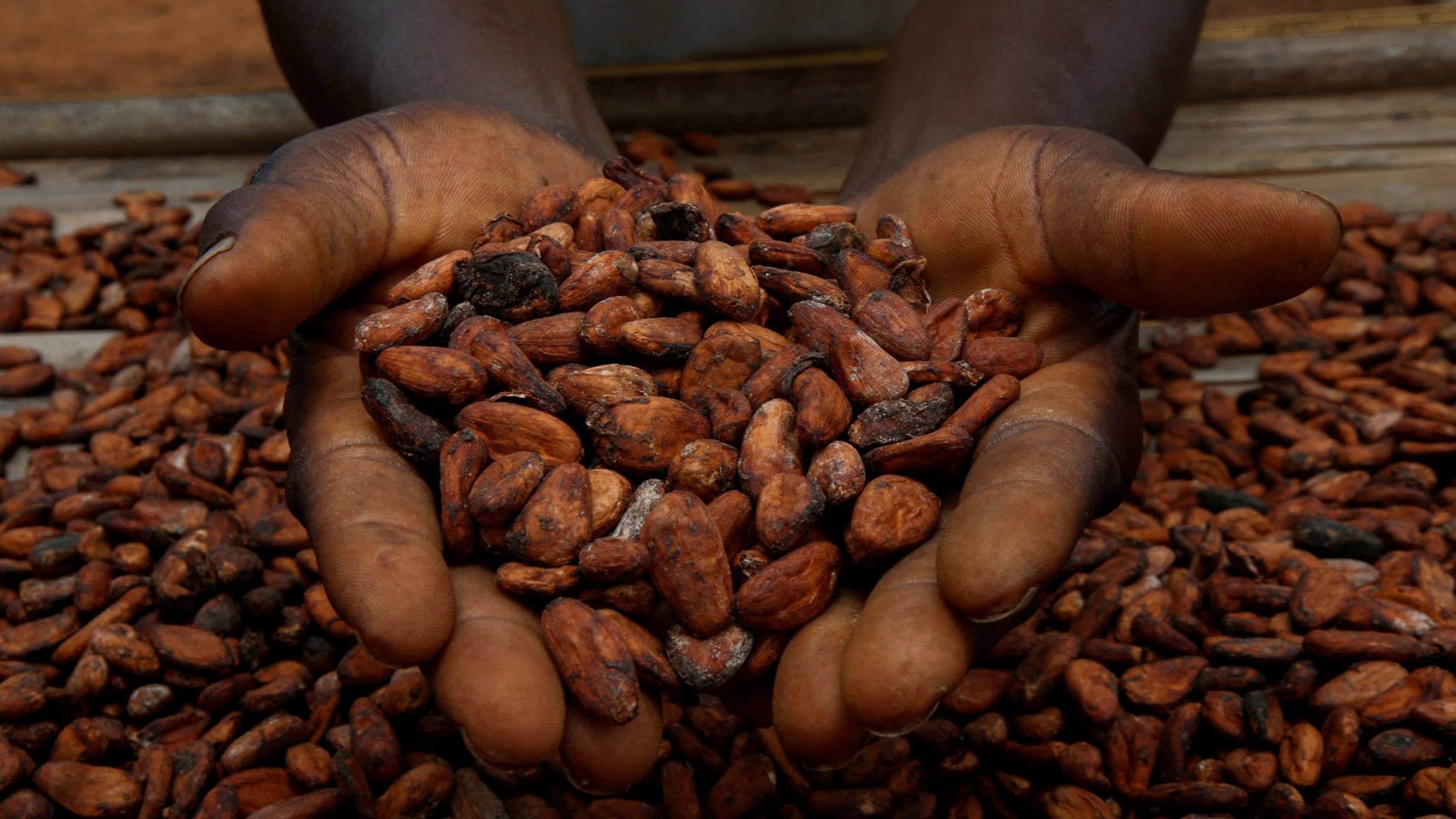
Cocoa Stockpiles Hit Historic Lows: Understanding the Implications for the Chocolate Industry
The cocoa market is currently experiencing a crisis as cocoa stockpiles hit historic lows. This situation has sent ripples through the chocolate industry, raising concerns about supply and pricing that could affect everyone from producers to consumers. The decline in cocoa stockpiles has been attributed to various factors, including climate change, fluctuating demand, and socio-economic challenges faced by cocoa farmers. In this article, we’ll delve into what these historic lows mean for the chocolate industry, exploring potential implications and insights from industry experts.
Current State of Cocoa Stockpiles
As of late 2023, cocoa stockpiles are reported to be at their lowest levels in over a decade. According to the International Cocoa Organization (ICCO), the world’s cocoa inventory has fallen significantly, with estimates suggesting that global cocoa stocks have dipped below 1.5 million metric tons. This sharp decline has been driven by a combination of adverse weather conditions, particularly in West Africa—the primary cocoa-producing region—and increasing global consumption of chocolate products.
To put this into perspective, cocoa production in Côte d’Ivoire and Ghana, which together account for approximately 60% of the world’s cocoa supply, has been hampered by factors such as drought and diseases that affect cocoa trees. Additionally, the rising costs of fertilizers and other essential supplies, exacerbated by global supply chain disruptions, have further challenged cocoa farmers.
The Impacts on Chocolate Producers
For chocolate producers, the implications of dwindling cocoa stockpiles are multifaceted. Here are several key impacts:
- Increased Costs: With cocoa becoming scarcer, producers are facing rising prices for raw materials. This increase in production costs may compel manufacturers to raise the prices of chocolate products.
- Quality Concerns: In an effort to maintain profit margins, some producers might resort to using lower-quality cocoa or additives, which could compromise the taste and quality of chocolate.
- Supply Chain Adjustments: Producers may need to rethink their sourcing strategies to secure cocoa. This might involve establishing direct trade relationships with farmers or investing in sustainable cocoa farming practices.
Effects on Consumers
The impact of low cocoa stockpiles is not limited to producers; consumers will also feel the effects. As chocolate prices rise, consumers may find themselves paying more for their favorite treats. Here’s how these changes could affect consumers:
- Higher Prices: Chocolate products could see a price increase of 10% or more in the coming months due to rising cocoa costs. This could lead to consumers reevaluating their purchasing habits.
- Limited Availability: Certain premium chocolate brands may face shortages, especially if they rely on specific sources of high-quality cocoa. This could lead to increased competition for the best products.
- Changing Preferences: As prices rise, some consumers may shift their preferences towards more affordable or alternative sweet treats, impacting the overall chocolate market.
Long-Term Considerations for the Chocolate Industry
While the current situation presents immediate challenges, it also opens the door for long-term changes in the chocolate industry. Here are some potential developments:
- Sustainable Practices: The crisis may accelerate the shift towards sustainable cocoa farming practices. More companies are expected to invest in programs that support farmers in adopting climate-resilient practices, which can help stabilize supply.
- Innovation in Products: Producers may begin to innovate with alternative ingredients or blends that can reduce dependency on cocoa while still delivering the desired chocolate flavor.
- Consumer Education: There may be a push for greater consumer awareness about the challenges facing cocoa farmers. This could lead to increased support for fair trade practices and brands that prioritize ethical sourcing.
Expert Insights
Industry experts are weighing in on the situation, emphasizing the need for collaborative solutions. Cocoa expert Dr. Maria Torres notes, “The low stockpiles are a wake-up call for the industry. We need to focus on sustainable farming practices and ensure that farmers are supported so they can thrive.”
Additionally, chocolate industry analyst John Smith highlights the importance of diversification in sourcing. “Brands that rely heavily on a single source of cocoa are at greater risk. By diversifying their supply chains, they can mitigate some of these risks,” he explains.
Conclusion: A Call for Action
The historic lows in cocoa stockpiles present significant challenges for the chocolate industry, affecting everyone from producers to consumers. However, this crisis also offers an opportunity for change. By embracing sustainable practices and fostering stronger relationships within the supply chain, the industry can work towards a more resilient future.
For consumers, understanding the challenges faced by cocoa farmers can lead to more informed purchasing decisions. Supporting brands that prioritize ethical practices and sustainable sourcing not only helps to secure the future of chocolate but also ensures a fairer deal for the farmers who cultivate this beloved crop.
In summary, while the current situation is indeed challenging, it is also an opportunity for growth and improvement within the chocolate industry. By addressing these challenges head-on, the industry can pave the way for a more sustainable and equitable future for cocoa production.
See more Business Focus Insider Team
