
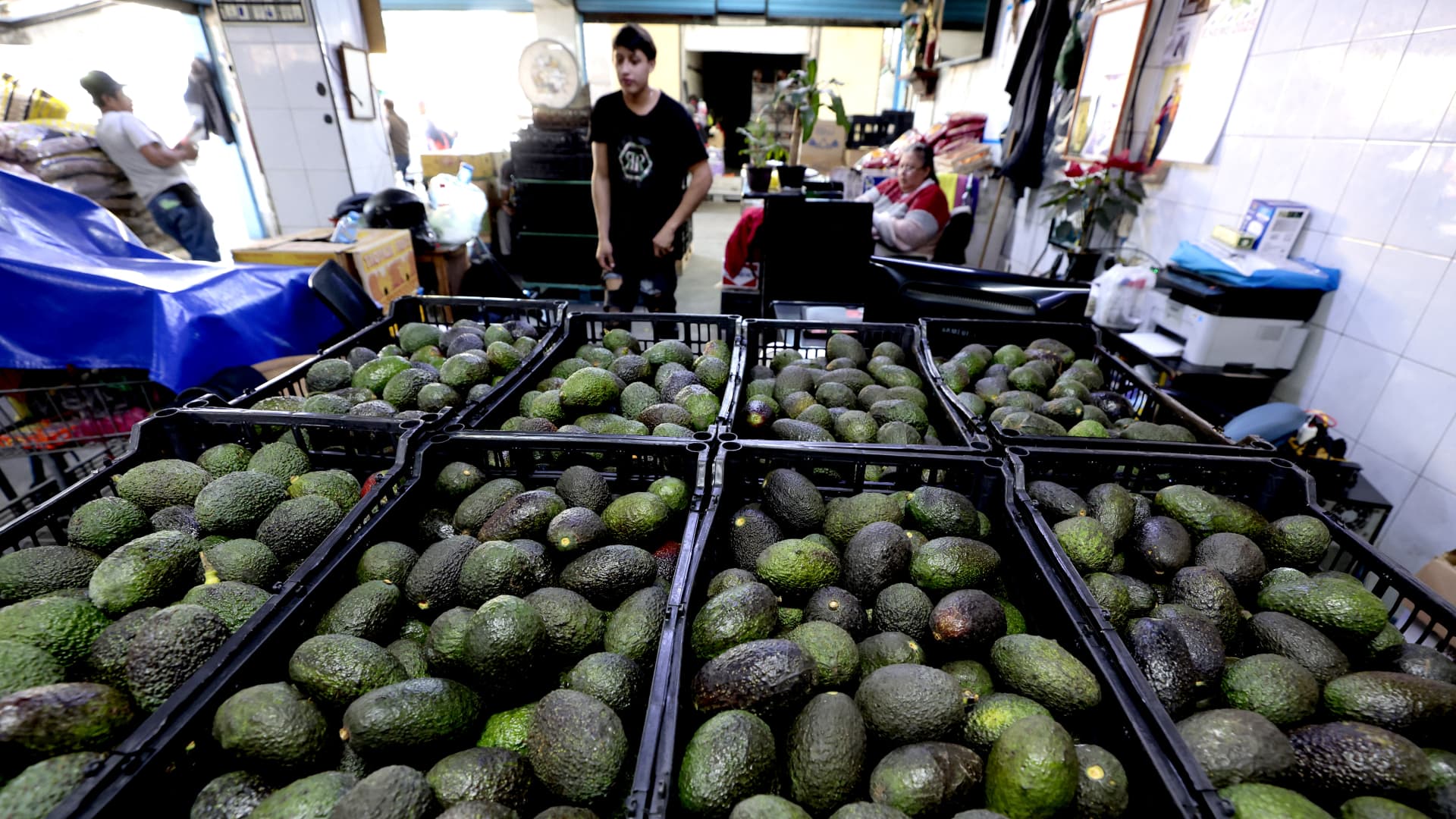
As the political landscape shifts under the Trump administration, businesses across the United States are bracing for a potential wave of new tariffs. Among these, the fast-casual dining chain Chipotle has found itself at a crossroads, particularly concerning its beloved avocado supply. With a significant portion of its avocados sourced from Mexico, the looming threat of tariffs raises important questions about supply chain vulnerabilities, pricing strategies, and consumer sentiment.
Understanding the Tariff Threat
Tariffs, essentially taxes imposed on imported goods, can drastically alter the cost structure for companies reliant on foreign products. For Chipotle, which prides itself on using high-quality ingredients, the implications of new tariffs could be profound. The fast-casual chain has publicly reassured its customers that only about half of its avocados come from Mexico. This strategic positioning is not merely a marketing tactic; it reflects a calculated approach to mitigate risks associated with potential trade restrictions.
Over the years, avocados have transformed from a niche ingredient to a staple in many American diets, particularly those who enjoy Chipotle’s famous guacamole. However, Mexico has long been the dominant supplier, accounting for approximately 30% of the world’s avocado production. Thus, any tariffs imposed on Mexican avocados could lead to increased costs for Chipotle, which may, in turn, be passed on to consumers. This situation leads to various considerations regarding pricing and sourcing strategies.
Chipotle’s Supply Chain Strategy
To navigate the uncertainty presented by potential tariffs, Chipotle has had to rethink its supply chain strategy. Here are several ways the company is positioning itself:
- Diversification of Suppliers: By sourcing avocados from multiple countries, including the United States and Peru, Chipotle can reduce its dependency on Mexican imports. This diversification helps cushion the impact of tariffs and ensures a steady supply of avocados.
- Local Sourcing Initiatives: Chipotle has been exploring partnerships with local farmers to source avocados domestically when possible. This not only supports local agriculture but also helps in circumventing international tariff issues.
- Investment in Logistics: The company is likely to invest in logistics and supply chain management to ensure that they can respond quickly to any changes in tariff policies or supply disruptions.
Pricing Strategies in a Tariff Environment
Should tariffs be enacted, Chipotle’s pricing strategy would face immediate scrutiny. The company has to balance maintaining affordable prices for consumers while also ensuring profitability. Here are a few strategies Chipotle might employ:
- Incremental Price Adjustments: Rather than implementing a significant price increase, Chipotle could opt for smaller, incremental adjustments to menu prices, making it less noticeable to consumers.
- Menu Engineering: The company might consider re-engineering its menu to include items that require less avocado or to promote dishes that can be made with alternative ingredients.
- Promotions and Discounts: To combat any negative consumer reactions to price increases, Chipotle might roll out promotions or loyalty programs to maintain customer engagement and satisfaction.
Consumer Sentiment and Brand Loyalty
In today’s market, consumer sentiment plays a critical role in a brand’s success. Chipotle has cultivated a loyal customer base, largely due to its commitment to quality ingredients and sustainability. However, the introduction of tariffs and subsequent price increases could challenge this loyalty. Here are some factors to consider:
- Transparency: Open communication regarding pricing adjustments and the reasons behind them can help maintain consumer trust. Chipotle has historically emphasized transparency in its sourcing practices, and applying this ethos to pricing could mitigate backlash.
- Quality Over Price: Many Chipotle customers prioritize quality over cost. If the company can maintain the quality of its guacamole and other avocado-based items, it may retain customer loyalty despite price changes.
- Community Engagement: Engaging with customers through social media and community events can help reinforce brand loyalty. By highlighting local sourcing initiatives and sustainability efforts, Chipotle can strengthen its connection with consumers.
Looking Ahead: The Future of Chipotle’s Avocado Supply
As the threat of tariffs looms, Chipotle’s ability to adapt its supply chain and pricing strategies will be crucial for its continued success. The company has already demonstrated resilience in the face of challenges, such as the pandemic and changing consumer preferences. Moving forward, here are some trends and strategies Chipotle might consider:
- Emphasis on Sustainability: As consumers become more environmentally conscious, Chipotle could further emphasize its commitment to sustainable sourcing and waste reduction. This could include partnerships with eco-friendly suppliers and initiatives to reduce plastic use.
- Menu Innovation: Introducing new menu items that highlight avocado alternatives or seasonal ingredients could keep the menu fresh and appealing, potentially offsetting the impact of tariffs on avocado-based items.
- Digital Engagement: Increasing digital marketing efforts and enhancing the online ordering experience can create a more loyal customer base, especially among younger consumers who prefer digital interactions.
Conclusion
In conclusion, as Chipotle navigates the uncertainty surrounding potential Trump tariffs on avocado supply, the company’s strategic positioning and proactive measures will be vital. By diversifying its supply chain, adjusting pricing strategies, and maintaining strong consumer engagement, Chipotle can not only mitigate the impact of tariffs but also continue to thrive in a competitive market. The fast-casual chain’s commitment to quality ingredients and customer satisfaction will be crucial as it faces these economic challenges head-on.
As the situation evolves, consumers will be watching closely to see how Chipotle adapts to ensure that their favorite menu items remain accessible and delicious.
See more Business Focus Insider Team
