
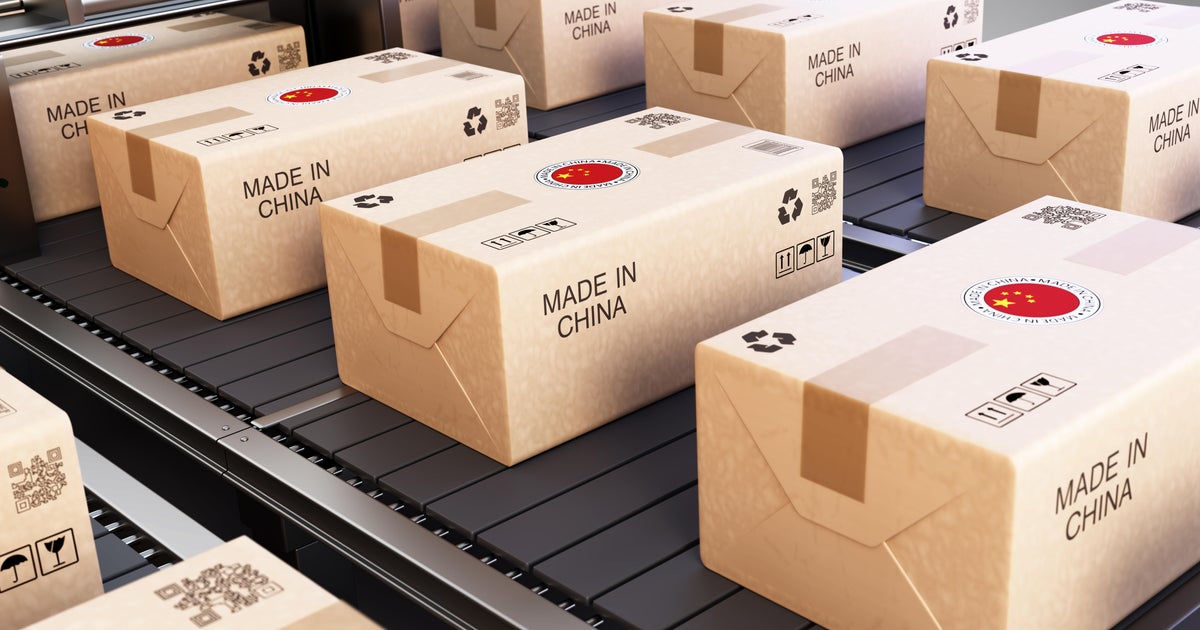
The Impending Scarcity: Chinese-Made Products at Risk on U.S. Shelves
As U.S.-China trade tensions escalate and global supply chains face mounting pressures, American consumers may soon find fewer Chinese-made products on store shelves. From electronics to household goods, analysts warn that tariffs, geopolitical friction, and manufacturing shifts could create shortages by late 2024. Retailers are scrambling to diversify suppliers, while economists debate the long-term impact on inflation and consumer habits.
Which Products Face the Greatest Risk?
Industry reports highlight several categories particularly vulnerable to disruption:
- Consumer electronics: 42% of U.S. electronics imports came from China in 2023 (U.S. Census Bureau)
- Home appliances: 60-75% of small appliances like vacuums and microwaves are China-sourced
- Textiles and apparel: 30% market share for Chinese manufacturers
- Auto parts: $20 billion worth imported annually
“We’re already seeing lead times double for replacement parts,” notes supply chain expert Dr. Lisa Chen of Georgetown University. “The just-in-time inventory model collapses when geopolitical tensions meet logistical bottlenecks.”
The Root Causes Behind Potential Shortages
Three primary factors are driving this impending scarcity:
- Tariff escalations: The Biden administration recently expanded Section 301 tariffs to cover $18 billion in Chinese imports
- Reshoring initiatives: 78% of manufacturers surveyed by Kearney reported active reshoring plans
- Chinese production shifts: China’s “dual circulation” strategy prioritizes domestic consumption over exports
However, not all analysts predict doom scenarios. “This is primarily a rebalancing,” argues trade economist Mark Williams of Capital Economics. “Vietnam, India, and Mexico have absorbed 28% of diverted trade flows since 2018. Consumers may pay slightly more, but shelves won’t empty.”
Consumer Impact and Adaptation Strategies
Price increases appear inevitable for certain goods. The Peterson Institute estimates new tariffs could raise costs:
- 7-15% for electronics
- 5-10% for furniture
- 3-8% for clothing
Retail giants are taking proactive measures. Walmart and Target have expanded their “Made in USA” sections by 40% since 2022, while Best Buy now flags products with non-Chinese supply chains. “Consumers increasingly ask about sourcing,” says retail analyst Jessica Lee. “Sustainability concerns now include geopolitical risk in purchasing decisions.”
The Broader Economic Implications
This supply chain transformation carries significant macroeconomic consequences:
- The Congressional Budget Office projects 0.3-0.5% GDP drag during transition
- Labor markets may gain 250,000 manufacturing jobs by 2026
- Inflation could see sustained 1-2% pressure from reshoring costs
“We’re witnessing the end of hyperglobalization,” observes Dr. Chen. “The question isn’t whether Chinese products disappear, but how quickly and painfully we adapt to new trade realities.”
What Consumers Can Do Now
Shoppers facing potential shortages should consider:
- Researching alternative brands with diversified supply chains
- Purchasing durable goods before expected price hikes
- Exploring refurbished markets for electronics
- Supporting local manufacturers where feasible
As trade policies continue evolving, staying informed through reliable sources like the U.S. International Trade Commission will help consumers navigate these changes. While complete product disappearance remains unlikely outside niche categories, the era of ubiquitous Chinese-made goods at bargain prices appears to be ending—ushering in a new chapter of global commerce.
See more Business Focus Insider Team
