
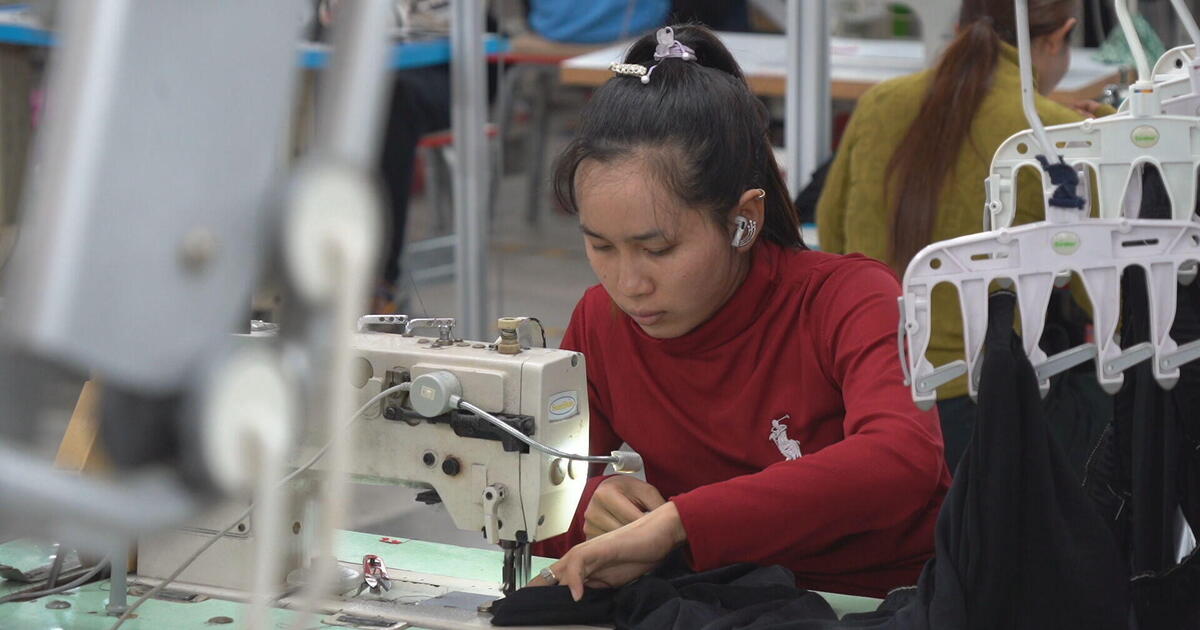
Seeking Refuge: How Chinese Firms Are Turning to Cambodia’s Special Economic Zone to Escape U.S. Tariffs
As U.S.-China trade tensions escalate, numerous Chinese companies are strategically relocating to Cambodia’s Special Economic Zone (SEZ). This shift not only helps them avoid tariffs but also opens new avenues for growth in Southeast Asia. The ongoing trade war has forced many businesses to adapt, and Cambodia’s SEZ offers a compelling solution for firms looking to maintain their competitiveness while navigating a complex international landscape.
The Context of U.S.-China Trade Tensions
The trade conflict between the United States and China, which began in earnest in 2018, has resulted in a series of tariffs and counter-tariffs that have disrupted established trade patterns. These tariffs, aimed at protecting domestic industries, have significantly increased costs for Chinese manufacturers, prompting many to seek alternatives. In this environment, Cambodia’s SEZ has emerged as a beacon of opportunity.
Chinese companies face a dual challenge: the need to reduce production costs while also maintaining access to international markets. With tariffs on a wide array of goods, relocating production facilities becomes a strategic imperative. With its proximity to China, favorable labor costs, and supportive government policies, Cambodia is well-positioned to attract these businesses.
Cambodia’s Special Economic Zones: A Strategic Advantage
Cambodia has established several Special Economic Zones across the country, designed to facilitate foreign investment and boost economic growth. These zones offer numerous incentives for businesses, including:
- Tax Incentives: Firms operating in SEZs benefit from reduced tax rates and exemptions on certain duties.
- Infrastructure Support: The Cambodian government has invested heavily in infrastructure within these zones, ensuring better connectivity and access to essential services.
- Streamlined Regulations: SEZs often feature simplified administrative procedures, making it easier for companies to set up and operate.
These advantages make Cambodia’s SEZs particularly attractive to Chinese companies looking to mitigate the impact of U.S. tariffs while also tapping into Southeast Asia’s growing markets.
The Relocation of Chinese Firms
As a result of these favorable conditions, numerous Chinese manufacturers are making the move to Cambodia. Industries such as textiles, electronics, and consumer goods are seeing a significant influx of Chinese investment. For instance, companies that previously relied on manufacturing in China are now establishing operations in Cambodian SEZs to benefit from lower costs and tariff-free access to other ASEAN markets.
This strategic relocation not only helps companies avoid U.S. tariffs but also allows them to take advantage of Cambodia’s growing economy. The country is projected to experience robust economic growth in the coming years, fueled by increased foreign investment and a burgeoning consumer market.
Impact on Cambodia’s Economy
The influx of Chinese firms into Cambodia’s SEZs is having a transformative impact on the local economy. Here are a few key benefits:
- Job Creation: The establishment of new manufacturing facilities is leading to the creation of thousands of jobs. This is particularly important in a country where the youth population represents a significant portion of the workforce.
- Technology Transfer: As Chinese companies set up operations, they bring with them advanced technologies and practices that can enhance local capabilities.
- Increased Exports: The products manufactured in these SEZs are often exported, contributing to Cambodia’s trade balance and overall economic growth.
Moreover, the presence of these firms can stimulate local businesses and create a more vibrant economy, as suppliers and service providers emerge to meet the needs of the new manufacturing entities.
Challenges and Considerations
While the move of Chinese firms to Cambodia offers many benefits, it is not without its challenges. Both Chinese companies and the Cambodian government must navigate a complex landscape of regulations, labor issues, and sustainability concerns. Key challenges include:
- Labor Standards: Ensuring fair labor practices and working conditions will be crucial as more firms establish operations in Cambodia.
- Environmental Impact: Manufacturing can have significant environmental consequences. Companies must adopt sustainable practices to minimize their footprint.
- Infrastructure Limitations: While Cambodia is improving its infrastructure, further investments are needed to ensure that it can support a growing manufacturing sector.
Addressing these challenges will require collaboration between the Cambodian government, local communities, and foreign investors. Sustainable growth will depend on balancing economic development with social and environmental responsibility.
The Future of Chinese Investment in Cambodia
Looking ahead, the trend of Chinese firms relocating to Cambodia’s SEZ is likely to continue, particularly if U.S.-China trade tensions persist. As companies seek to diversify their operations and reduce exposure to tariffs, Cambodia offers a viable alternative that aligns with their strategic goals.
Furthermore, as ASEAN continues to integrate economically, Cambodia stands to benefit from increased regional trade. With its strategic location, the country can serve as a manufacturing hub for exports not only to the U.S. but also to other markets in Asia and beyond.
Conclusion
The relocation of Chinese firms to Cambodia’s Special Economic Zones exemplifies the adaptability of businesses in response to global trade dynamics. By seeking refuge in Cambodia, these companies are not only evading U.S. tariffs but are also contributing to the growth of the Cambodian economy and the broader Southeast Asian region. As this trend continues, it is essential for all stakeholders to foster an environment that promotes sustainable and inclusive growth, ensuring that the benefits of this investment are felt widely across society.
In summary, Cambodia’s SEZs are providing a strategic refuge for Chinese firms looking to escape the ramifications of U.S. tariffs. This evolving landscape presents both opportunities and challenges, but with the right approach, it can lead to mutually beneficial outcomes for investors and local communities alike.
See more Business Focus Insider Team
