
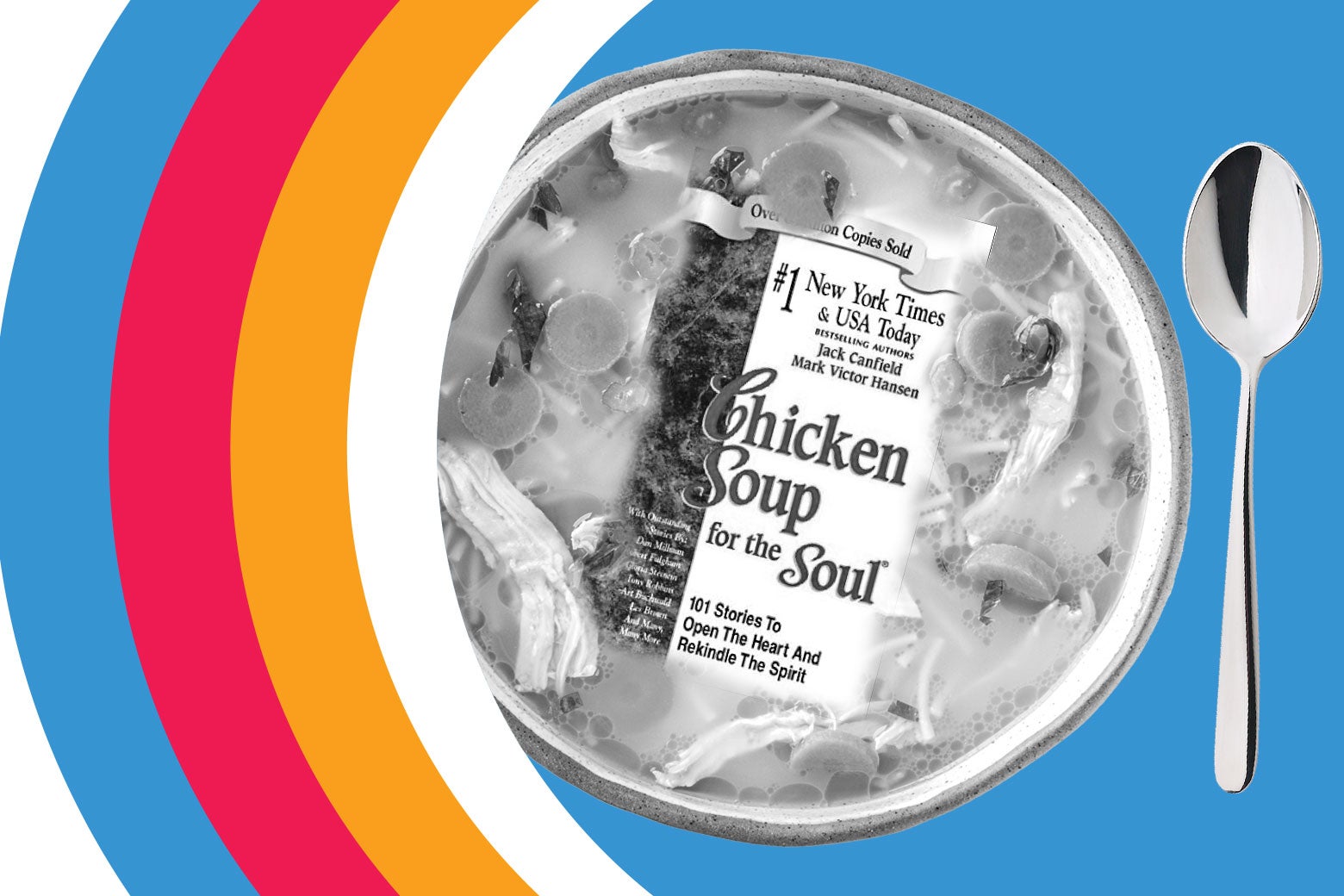
The Evolution of Chicken Soup for the Soul: From Bestselling Books to Meme Stock Sensation
What began as a series of heartwarming books in 1993 has evolved into a cultural and financial phenomenon. Chicken Soup for the Soul, the iconic anthology of inspirational stories, has transcended its literary roots to become a multimedia brand—and an unlikely player in the stock market. This article explores how nostalgia, savvy marketing, and internet culture propelled the brand into viral fame and Wall Street intrigue.
From Humble Beginnings to Global Brand
Co-founded by motivational speakers Jack Canfield and Mark Victor Hansen, Chicken Soup for the Soul debuted with a modest print run of 20,000 copies. The book’s blend of uplifting anecdotes and life lessons resonated deeply, spawning over 250 titles and selling more than 500 million copies worldwide. By the late 1990s, it had become a household name, with spin-offs ranging from pet-themed editions to TV shows.
“The series tapped into a universal craving for connection and hope,” says Dr. Emily Carter, a cultural historian at Yale University. “Its success lies in its simplicity—readers see their own struggles and triumphs reflected in these stories.” The brand expanded into podcasts, greeting cards, and even a streaming service, demonstrating remarkable adaptability.
The Unexpected Pivot to Public Markets
In 2008, Chicken Soup for the Soul Entertainment (CSSE) was formed, acquiring Redbox in 2022 to bolster its digital footprint. The company went public via a SPAC merger in 2017, but it wasn’t until 2023 that CSSE stock gained meme status. Shares surged by 300% in a month, fueled by Reddit traders and viral social media buzz.
- 2021 Revenue: $146 million (primarily from streaming and kiosk rentals)
- 2023 Stock Peak: $23.50 per share, up from a $6 baseline
- Redbox Acquisition: Added 40,000 kiosks and a library of 5,000+ films
“Meme stocks thrive on narrative, and CSSE has a compelling one,” notes financial analyst Raj Patel. “Investors aren’t just buying shares—they’re buying into the nostalgia of a brand that defined a generation.” However, skeptics warn of volatility, citing the company’s $970 million debt load as a red flag.
The Role of Nostalgia in Modern Finance
The CSSE phenomenon highlights a broader trend: emotional branding driving market behavior. A 2023 Harvard Business Review study found that companies with strong nostalgic appeal outperform peers by 17% in customer loyalty metrics. For Chicken Soup for the Soul, this translates to a dedicated fanbase willing to engage with the brand across mediums—including speculative trading.
Yet the strategy isn’t without risks. “Nostalgia can be a double-edged sword,” warns marketing professor Lisa Nguyen. “If the brand fails to innovate, it risks becoming a relic rather than a relevant player.” CSSE’s recent forays into ad-supported streaming and original content suggest an awareness of this challenge.
What’s Next for Chicken Soup for the Soul?
The company now straddles two worlds: the warm fuzzies of its literary heritage and the cutthroat arena of entertainment finance. Upcoming projects include a documentary series on resilience and an AI-driven platform for personalized inspirational content. Meanwhile, meme stock enthusiasts continue to sway its share price, creating unpredictable dynamics.
As CSSE navigates this duality, its journey offers a case study in brand evolution. Whether it can sustain its momentum depends on balancing sentimental appeal with financial pragmatism. For now, the Chicken Soup for the Soul saga remains a testament to the power of storytelling—in books, on screens, and even in stock charts.
Want to explore how other nostalgic brands are adapting to the digital age? Subscribe to our newsletter for weekly insights on culture, finance, and innovation.
See more Business Focus Insider Team
