
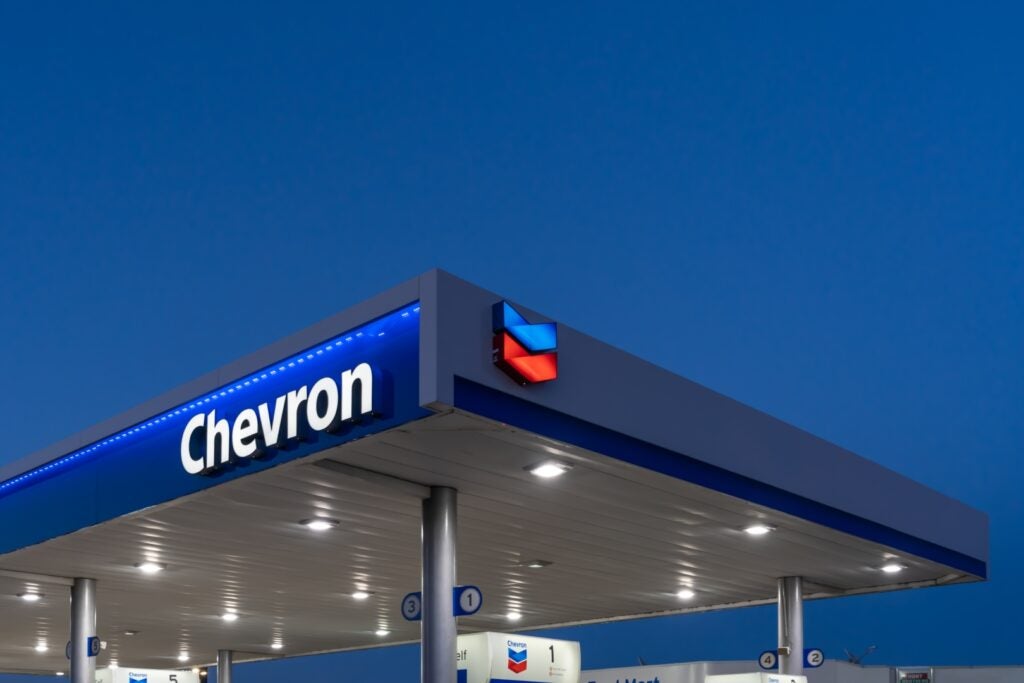
Chevron’s CEO Dismisses Recession Fears Amid $10 Billion Cash Flow Forecast
In a striking vote of confidence for the energy sector, Chevron CEO Mike Wirth projected a $10 billion surge in free cash flow by 2026 while dismissing concerns about an impending recession. Speaking at an investor conference on Tuesday, Wirth cited strong global demand, disciplined capital allocation, and operational efficiencies as drivers behind Chevron’s bullish outlook despite broader economic uncertainties.
Energy Giant Bucks Economic Gloom With Optimistic Projections
While many economists warn of potential downturns, Chevron’s leadership maintains a decidedly different view. “We’re not seeing signs of recession in our business,” Wirth stated emphatically. “Demand remains robust across our markets, and our portfolio is positioned to deliver substantial cash flow growth even in volatile conditions.”
The company’s projections show:
- Free cash flow increasing from $15 billion in 2022 to $25 billion by 2026
- Annual capital expenditures holding steady at $14-16 billion
- Production growth of more than 3% annually through mid-decade
Energy analyst Rebecca Carter of Bernstein Research noted: “Chevron’s forecast suggests they see structural advantages in their asset base that can outperform macroeconomic headwinds. Their Permian Basin and Gulf of Mexico operations are particularly well-positioned for cash generation.”
Strategic Advantages Fueling Chevron’s Confidence
Several factors underpin Chevron’s optimistic stance. The company has dramatically improved its break-even point since the 2014 oil price crash, with new projects requiring just $50 per barrel to remain profitable. Additionally, their recent acquisition of Noble Energy provided high-quality assets that are already contributing to cash flow.
Wirth highlighted three key advantages:
- Low-cost production assets with quick payback periods
- Integrated operations that capture value across the energy chain
- A disciplined approach to capital allocation that prioritizes returns
“We’ve transformed our portfolio to thrive across commodity cycles,” Wirth explained. “When you combine that with our balance sheet strength, we’re able to deliver for shareholders in virtually any environment.”
Diverging Views on Economic Outlook
Chevron’s rosy projections contrast with warnings from some prominent economists. The International Monetary Fund recently downgraded its 2023 global growth forecast to 2.7%, noting significant recession risks. However, energy sector performance often diverges from broader economic trends.
Market observers point to several reasons why oil majors might outperform:
- Persistent underinvestment in new supply since 2020
- Rebounding demand in China as COVID restrictions ease
- Structural changes in energy markets due to geopolitical realignments
“Energy is becoming decoupled from traditional business cycles,” noted Jason Bordoff, director of Columbia University’s Center on Global Energy Policy. “The transition to cleaner fuels is creating unique dynamics where traditional indicators don’t necessarily apply.”
Investor Reactions and Market Implications
Wall Street responded positively to Chevron’s announcements, with shares rising 2.3% following the CEO’s remarks. The company’s dividend yield of 3.4% and commitment to share buybacks make it particularly attractive to income-focused investors during uncertain times.
Key takeaways for investors:
- Energy now represents nearly 5% of the S&P 500, up from 2.3% in 2020
- Oil majors are generating record cash flows despite lower prices than 2022 peaks
- Valuations remain below historical averages despite strong fundamentals
“What we’re seeing is a fundamental reassessment of energy companies as cash generators rather than growth stories,” said portfolio manager Sarah Kim of T. Rowe Price. “Chevron’s guidance reinforces that thesis.”
The Road Ahead for Chevron and the Energy Sector
Looking toward 2026, Chevron plans to maintain capital discipline while investing in both traditional and new energy projects. About 10% of their capital budget now targets renewable fuels, carbon capture, and hydrogen initiatives. This balanced approach aims to position the company for long-term success regardless of how energy transitions unfold.
Industry experts identify several critical factors to watch:
- Geopolitical developments affecting global energy flows
- Pace of electric vehicle adoption in key markets
- Government policies supporting energy security and transition
As Wirth concluded: “Our job is to navigate uncertainty better than others. The next few years will test that capability, but we’re confident in our strategy and our team.” For investors weighing recession risks against energy sector opportunities, Chevron’s bold projections provide compelling food for thought.
For deeper analysis of energy market trends and investment strategies, subscribe to our weekly energy sector briefing.
See more Business Focus Insider Team
