
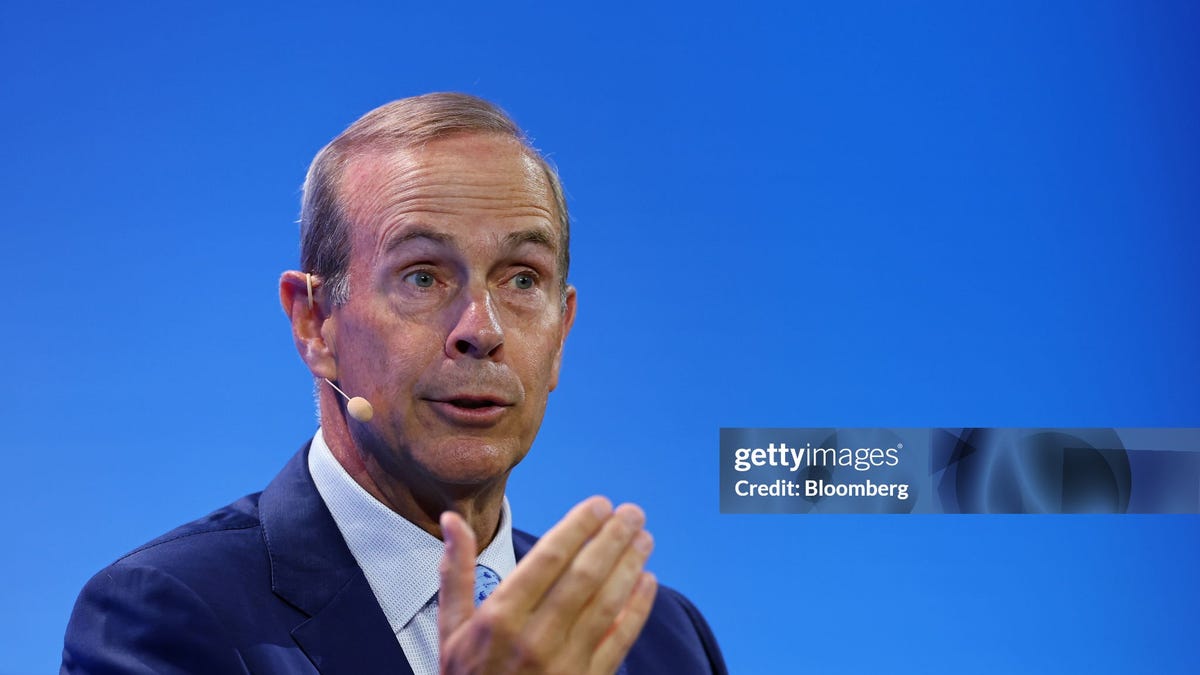
Chevron’s CEO Confident in Growth Despite Economic Headwinds
In a recent industry address, Chevron CEO Mike Wirth projected unwavering growth for the energy giant despite looming recession concerns. Speaking at the Houston Energy Forum on Tuesday, Wirth outlined strategic advantages positioning Chevron to thrive during economic downturns, citing diversified assets, disciplined capital allocation, and rising global energy demand as key differentiators.
Strategic Positioning Amid Market Volatility
Wirth emphasized Chevron’s unique ability to weather economic storms through what he called “countercyclical resilience.” The company reported $21.3 billion in free cash flow for 2022—a 78% increase from 2021—providing ample resources to fund operations and strategic investments regardless of macroeconomic conditions.
“Our balance sheet strength allows us to play offense when others retreat,” Wirth stated. “We’ve maintained a breakeven oil price of $50 per barrel while building capacity in both traditional and renewable energy sectors.”
Industry analysts corroborate this assessment. According to BloombergNEF data, Chevron ranks among the top three major oil companies for:
- Lowest debt-to-equity ratio (12.4%)
- Highest refinery utilization rates (89%)
- Most diversified energy portfolio
Energy Transition as Growth Accelerator
While maintaining strong fossil fuel production, Chevron has simultaneously increased investments in low-carbon solutions—a strategy Wirth believes creates “dual engines” for growth. The company plans to triple renewable natural gas production by 2025 and expand hydrogen fuel capabilities through its $3.15 billion acquisition of ACES Delta last year.
“The energy transition isn’t a threat—it’s the largest opportunity landscape we’ve seen in decades,” Wirth remarked. “We’re allocating 30% of our annual R&D budget to emission reduction technologies while still meeting today’s energy needs.”
This balanced approach has drawn praise from unexpected quarters. Environmental policy expert Dr. Lisa Chen of Columbia University noted: “While Chevron’s pace could be bolder, their pragmatic transition strategy may prove more sustainable than competitors’ abrupt pivots that risk destabilizing energy markets.”
Why Chevron’s Growth Prospects Remain Strong
Three structural factors underpin Chevron’s recession-resistant outlook:
1. Global Energy Demand Defies Economic Cycles
The International Energy Agency projects worldwide energy consumption will grow 7-9% annually through 2030, regardless of GDP fluctuations. Emerging markets—where Chevron has expanded its LNG infrastructure—account for 65% of this demand growth.
2. Integrated Operations Create Natural Hedges
Unlike pure-play producers, Chevron’s vertical integration from wells to gas stations provides built-in price stability. When crude prices dip, refining margins typically increase—a dynamic that cushioned the company during the 2020 price collapse.
3. Strategic Acquisitions Enhance Portfolio Flexibility
The $7.6 billion purchase of Noble Energy in 2020 gave Chevron premier assets in the Permian Basin and Eastern Mediterranean. These low-cost production zones generate cash flow even during downturns, with break-even points below $35 per barrel.
Differing Views in the Energy Sector
Not all industry observers share Wirth’s optimism. Some analysts warn that prolonged recession could test even Chevron’s resilience:
- Goldman Sachs estimates a 20% drop in energy demand during severe recessions
- Renewable energy costs remain higher than fossil alternatives in most markets
- Policy uncertainty clouds long-term investment decisions
Energy economist Mark Williams contends: “While Chevron is better positioned than most, no company is truly recession-proof. A global downturn lasting 18+ months would pressure all energy players to reassess capital projects.”
The Road Ahead for Chevron and the Energy Industry
Looking forward, Chevron plans to maintain its disciplined investment approach, targeting:
- 4-7% annual production growth through 2026
- $15-17 billion annual capital expenditures
- 10% reduction in carbon intensity by 2028
As the energy landscape evolves, Chevron’s ability to balance short-term performance with long-term transformation may define its success. For investors and policymakers alike, the company’s recession response will serve as a bellwether for the entire sector’s adaptability.
For deeper analysis of energy market trends, subscribe to our industry newsletter featuring exclusive executive interviews and data-driven market forecasts.
See more Business Focus Insider Team
