
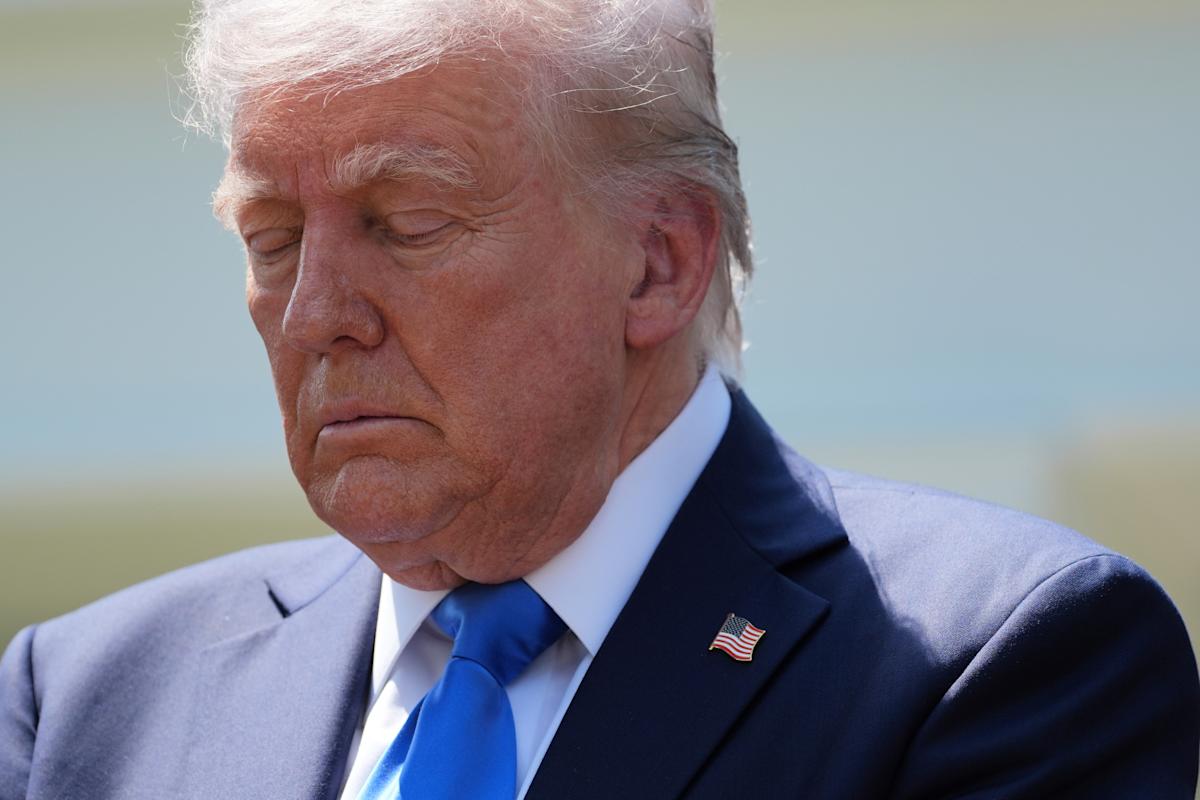
CEOs Speak Out: The Impact of Trump’s Tariffs on the Economy
As trade tensions escalate, CEOs across industries are voicing concerns about the economic repercussions of former President Donald Trump’s tariffs. Implemented during his administration and maintained under President Biden, these levies on imported goods—ranging from steel to electronics—continue to shape business strategies, consumer prices, and global trade dynamics. With potential policy shifts on the horizon, corporate leaders warn of lingering inflation, supply chain disruptions, and competitive disadvantages in international markets. Here’s what experts foresee for the economy’s future.
The Ripple Effects of Tariffs on Key Industries
Since 2018, tariffs on $350 billion worth of Chinese imports and other foreign goods have reshaped U.S. trade policies. A 2023 study by the Tax Foundation found that these measures reduced long-term GDP by 0.5% and eliminated over 165,000 jobs. Industries like manufacturing and agriculture face acute challenges:
- Manufacturing: While tariffs aimed to protect domestic steel and aluminum producers, downstream industries—such as automotive and machinery—saw material costs rise by 15-20%, according to the National Association of Manufacturers.
- Agriculture: Retaliatory tariffs from China slashed U.S. soybean exports by 75% in 2019, costing farmers $7.7 billion in lost revenue, per the American Farm Bureau.
“Tariffs are a double-edged sword,” said Linda Reynolds, CEO of a Midwestern automotive parts supplier. “They shield some sectors but punish others reliant on global supply chains. Smaller businesses lack the resources to absorb these costs.”
Corporate Leaders Divided on Long-Term Outcomes
While some executives applaud tariffs for incentivizing domestic production, others highlight unintended consequences. Tech giants, for instance, warn that tariffs on Chinese semiconductors could delay innovation. A 2024 Consumer Technology Association report estimates $100 billion in additional costs for the industry over a decade.
Conversely, Harold McMillan, CEO of a Pennsylvania steel mill, argues tariffs leveled the playing field: “Before 2018, dumped foreign steel undercut our prices by 30%. Now, we’ve reinvested $2 billion in U.S. facilities and hired 1,200 workers.”
Consumer Prices and Inflation: A Growing Concern
Analysts trace nearly 5% of recent inflation spikes to tariff-related price hikes. The Federal Reserve Bank of New York found that households paid $830 more annually for goods in 2021 due to trade policies. Everyday items, from washing machines to electronics, saw prices jump 10-15%.
“Consumers bear the brunt,” noted economist Dr. Rachel Tan of the Brookings Institution. “Tariffs function as hidden taxes, disproportionately affecting low-income families spending larger shares of their budgets on essentials.”
Global Trade Relations at a Crossroads
The tariffs’ geopolitical impact remains contentious. While the U.S. trade deficit with China narrowed by $100 billion post-tariffs, critics argue it simply shifted imports to Vietnam and Mexico. The Peterson Institute for International Economics warns that prolonged trade wars could erode U.S. influence in shaping global rules.
Meanwhile, the European Union’s retaliatory tariffs on bourbon and motorcycles—key U.S. exports—cost producers $3.4 billion in lost sales, per U.S. Chamber of Commerce data.
What’s Next for Trade Policy and the Economy?
With the 2024 election looming, tariff policies hang in the balance. Trump has proposed escalating tariffs to 60% on Chinese goods, while Biden’s team reviews existing measures. CEOs urge policymakers to consider:
- Targeted exemptions for critical imports like medical supplies
- Negotiated agreements to reduce retaliatory tariffs
- Incentives for reshoring without broad protectionism
“The goal should be strategic competitiveness, not isolation,” said Reynolds. “Collaboration with allies could yield better results than unilateral actions.”
As businesses navigate uncertainty, one truth emerges: tariffs reshape economies in unpredictable ways. Stakeholders must weigh short-term protections against long-term costs—and prepare for a volatile trade landscape ahead.
For deeper insights into how trade policies affect your industry, subscribe to our newsletter for expert analysis and updates.
See more Business Focus Insider Team
