
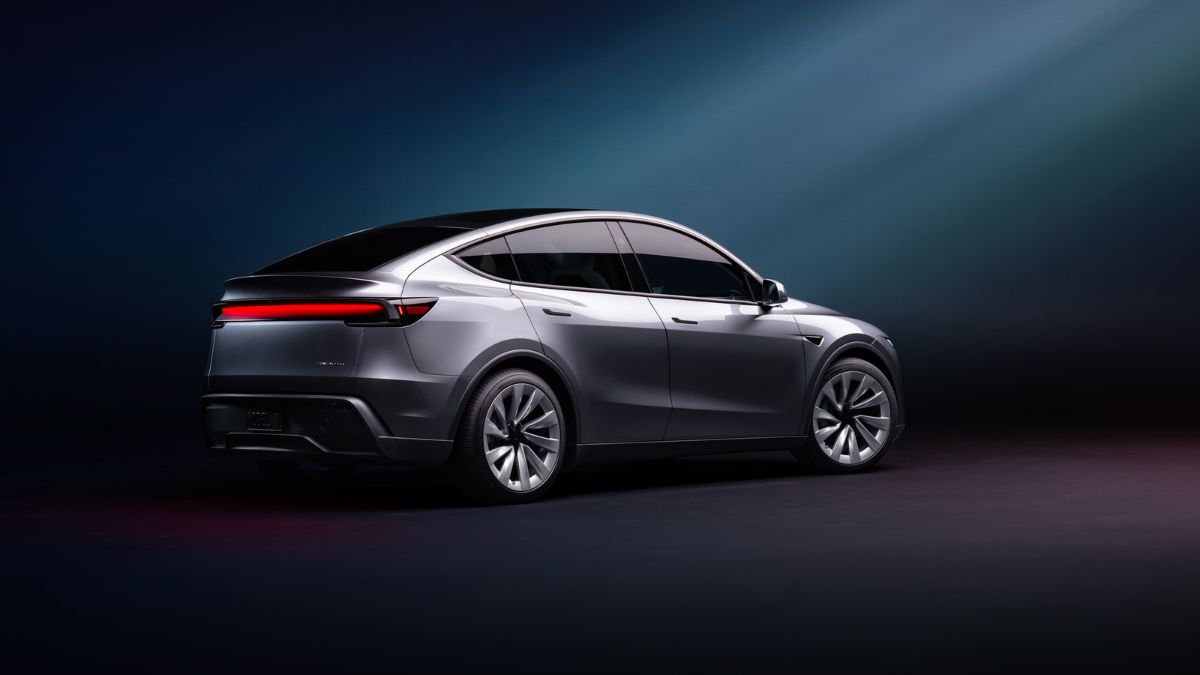
BYD Overtakes Tesla: A Shift in China’s Electric Vehicle Landscape
In a remarkable development that has sent ripples throughout the automotive industry, BYD has officially overtaken Tesla in electric vehicle (EV) sales within China. This significant milestone marks a pivotal shift in the competitive dynamics of the electric vehicle market, particularly in the world’s largest EV market. With this change, many questions arise regarding Tesla’s future strategies and BYD’s meteoric rise. This article delves into the factors contributing to this shift, the implications for both companies, and what it means for the future of electric mobility in China and beyond.
The Rise of BYD in the Electric Vehicle Market
BYD (Build Your Dreams), founded in 1995 as a rechargeable battery manufacturer, has evolved into a powerhouse in the electric vehicle arena. By capitalizing on its extensive experience in battery technology, BYD has positioned itself as a formidable competitor to Tesla. Recent reports indicate that BYD’s sales in 2023 have outpaced Tesla’s in China, with the company delivering over 1.1 million electric vehicles in the first half of the year alone.
Several factors have contributed to BYD’s rapid growth:
- Diverse Product Range: BYD offers a wide array of electric vehicles, from affordable compact cars to luxury sedans and buses. This variety allows the company to cater to different segments of the market, appealing to a broader customer base.
- Strong Domestic Support: As a Chinese company, BYD benefits from strong government support and favorable policies aimed at promoting domestic EV manufacturers. This includes subsidies, tax incentives, and investment in charging infrastructure.
- Innovative Technology: BYD has made significant advancements in battery technology, particularly with its blade battery design, which enhances safety and efficiency. This innovation attracts environmentally conscious consumers looking for reliable and sustainable options.
- Strategic Partnerships: BYD has forged numerous partnerships with local governments and private enterprises, expanding its market reach and production capabilities.
Tesla’s Challenges and Strategic Responses
While Tesla has been a pioneer in the global electric vehicle market, its recent challenges in China have raised eyebrows. Factors contributing to Tesla’s declining sales in China include:
- Increased Competition: The influx of domestic EV manufacturers like BYD has intensified competition, leading to price wars and market saturation.
- Supply Chain Issues: The ongoing global supply chain disruptions have affected Tesla’s production capabilities, leading to delays and increased costs.
- Consumer Preferences: Chinese consumers are increasingly favoring local brands that offer comparable quality at lower prices, making it difficult for Tesla to maintain its market share.
In response to these challenges, Tesla has begun to recalibrate its strategy. Key measures include:
- Price Adjustments: Tesla has implemented price cuts across its model range in China to remain competitive amidst the fierce rivalry.
- Local Production Expansion: Tesla is ramping up production at its Shanghai Gigafactory, aiming to increase output and reduce costs.
- Enhanced Marketing Efforts: The company is focusing on localized marketing strategies to better connect with Chinese consumers and emphasize its brand’s technological advantages.
The Implications of BYD Overtaking Tesla
The fact that BYD has overtaken Tesla in sales within China carries significant implications for both companies and the global EV market:
- Shift in Market Leadership: BYD’s ascension to the top spot signifies a shift in market leadership, with local manufacturers gaining ground against established global players.
- Investment in Innovation: The competitive environment may spur both BYD and Tesla to invest more heavily in research and development, leading to advancements in technology and sustainability.
- Consumer Benefits: Increased competition is likely to benefit consumers through improved vehicle offerings, lower prices, and enhanced customer service.
Future of Electric Vehicles in China
The electric vehicle landscape in China is poised for continued growth. As the government pushes for greener transportation solutions, the demand for electric vehicles is expected to escalate. Forecasts predict that by 2030, electric vehicles could represent over 50% of all new car sales in China.
With BYD leading the charge, several trends are emerging:
- Expansion of Charging Infrastructure: The Chinese government and private sectors are investing heavily in expanding EV charging networks, making it easier for consumers to adopt electric vehicles.
- Focus on Sustainability: As environmental concerns rise, manufacturers are prioritizing sustainable practices, from sourcing materials to production processes.
- Global Ambitions: BYD is not just focused on the Chinese market; the company is expanding its footprint internationally, targeting markets in Europe, South America, and beyond.
Conclusion
The recent news that BYD has surpassed Tesla in electric vehicle sales within China is more than just a market statistic; it is a harbinger of change in the global automotive landscape. As BYD continues to innovate and expand, and as Tesla recalibrates its strategies to regain its footing, the dynamics of the EV market will evolve significantly. This rivalry will ultimately lead to better choices for consumers, accelerated technological advancements, and a greener future for transportation. The shift in China’s electric vehicle landscape is just the beginning of a new era in sustainable mobility, one that promises to reshape how we think about and interact with our vehicles in the years to come.
See more Business Focus Insider Team
