
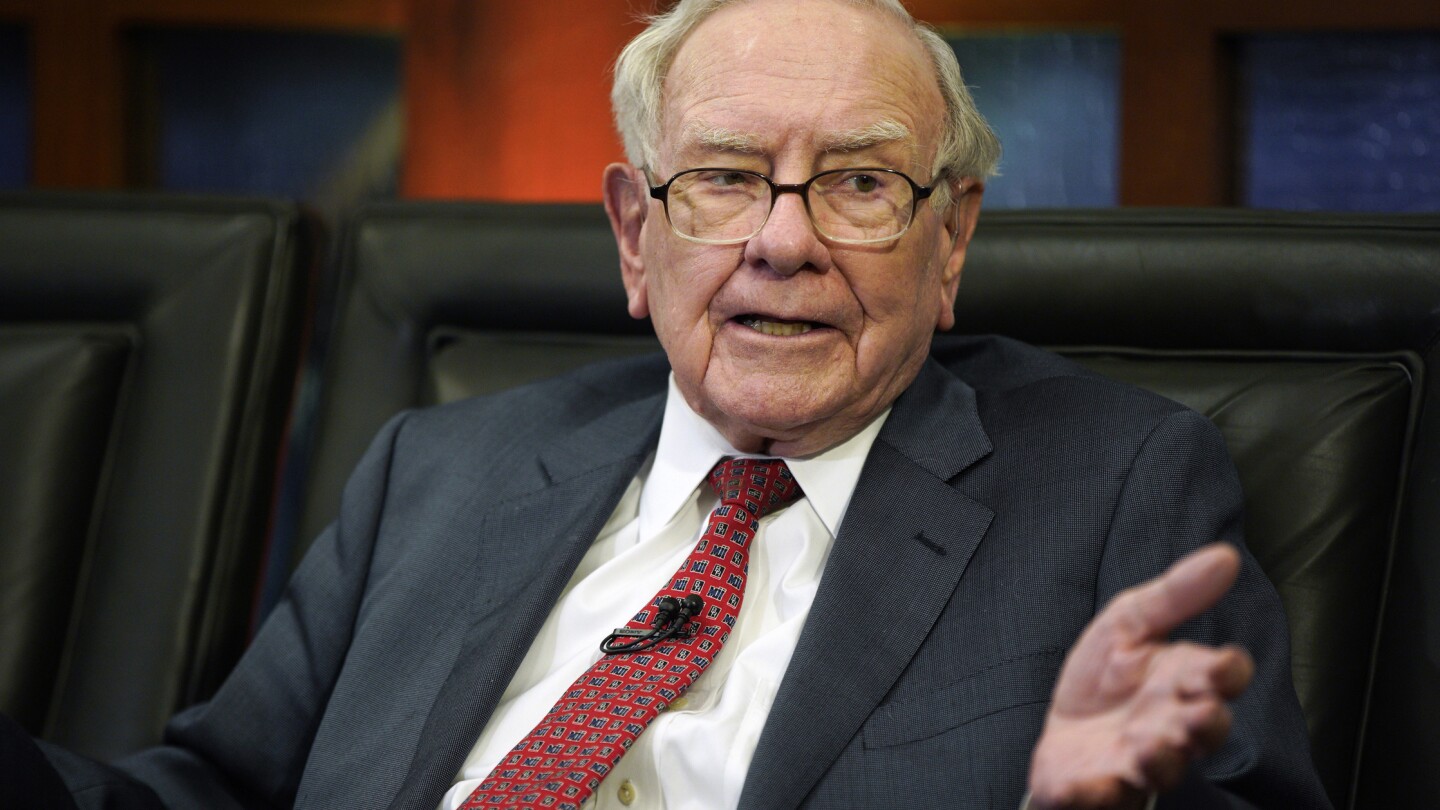
Buffett’s Legacy Continues: What Abel’s CEO Role Means for Berkshire Hathaway
Warren Buffett, the 93-year-old investing legend, will officially pass the CEO torch to Greg Abel in 2026, marking a historic transition for Berkshire Hathaway. The long-planned succession puts Abel, currently vice chair of non-insurance operations, at the helm of the $880 billion conglomerate. This carefully orchestrated shift aims to preserve Buffett’s value investing philosophy while allowing new leadership to navigate evolving markets.
The Making of a Successor: Greg Abel’s Rise
Abel, 61, has spent two decades proving himself within Berkshire’s unique corporate culture. Since joining MidAmerican Energy in 1992 (later renamed Berkshire Hathaway Energy), the Canadian-born executive demonstrated operational excellence, growing the utility business into a powerhouse generating $24 billion annual revenue.
“Greg earned this role through consistent performance,” says Sarah Mitchell, a Columbia Business School professor specializing in corporate succession. “He increased Berkshire Energy’s renewable assets from 0% to 38% of its portfolio while maintaining industry-leading margins—exactly the kind of capital allocation skill Berkshire prizes.”
Key milestones in Abel’s Berkshire journey:
- 2008: Promoted to CEO of Berkshire Hathaway Energy
- 2018: Named vice chair overseeing all non-insurance operations
- 2021: Publicly designated as Buffett’s successor
Preserving the Berkshire Playbook
Analysts expect Abel to maintain core Berkshire strategies: acquiring cash-generating businesses, allowing subsidiary autonomy, and making value-driven investments. However, his approach may differ in three key areas:
- Technology Investments: Abel has shown greater comfort with tech bets than Buffett, overseeing Berkshire’s 2022 purchase of 9.5% stake in HP.
- Climate Focus: His energy background suggests stronger emphasis on renewable infrastructure investments.
- Succession Planning: At 61, Abel may accelerate developing next-generation leaders.
“The biggest challenge won’t be changing too much, but changing too little,” warns James Rutherford, a portfolio manager at Berkshire shareholder T. Rowe Price. “Markets evolve, and even the most successful models need adaptation.”
Buffett’s Enduring Influence
Though stepping back from daily operations, Buffett will remain as chairman and likely continue influencing major capital allocation decisions. His 15% ownership stake and cult-like following among investors ensure his voice carries weight.
Berkshire’s recent moves suggest a gradual transition:
- 2023: Abel led the $11.6 billion Alleghany Corp acquisition
- 2024: Buffett still handles most shareholder letters and annual meeting Q&A
- 2025: Planned joint appearances at investor events
“Think of this like a relay race,” explains veteran Berkshire analyst Meyer Shields. “Buffett’s been slowing his pace for years while keeping a hand on the baton. Now he’ll finally pass it, but stay in the lane cheering Abel on.”
Market Reactions and Analyst Predictions
Berkshire’s Class A shares showed minimal volatility (+0.3%) following the official transition announcement, suggesting investor confidence in the plan. A Goldman Sachs survey found:
- 68% of institutional investors view Abel as “highly prepared”
- 52% expect more tech/energy investments under his leadership
- 89% believe Buffett’s philosophy will remain foundational
However, some concerns persist about replicating Buffett’s deal-making prowess. “Nobody has Warren’s Rolodex or instinct for timely investments,” notes shareholder activist Jeff Matthews. “Greg will need to build his own networks while maintaining those magical Berkshire relationships.”
The Road Ahead for Berkshire Hathaway
As 2026 approaches, attention turns to how Abel will put his stamp on Berkshire while honoring its legacy. Key challenges include:
- Deploying Berkshire’s $167 billion cash hoard effectively
- Managing expectations from 70+ subsidiary CEOs
- Navigating increased regulatory scrutiny on large conglomerates
Most observers agree the transition’s success hinges on Abel’s ability to balance continuity with necessary evolution. “Great companies outlive their founders,” reminds Harvard Business School’s Rebecca Henderson. “The test isn’t whether Abel can be another Buffett—it’s whether he can be the first Greg Abel while keeping what makes Berkshire special.”
For investors tracking this historic shift, the 2025 shareholder meeting offers the next key milestone to assess the evolving leadership dynamic. Those interested in deeper analysis can access Berkshire’s transition planning documents through the SEC’s EDGAR database.
See more Business Focus Insider Team
