
Boeing’s Promising Q1 Report Overshadowed by Delivery Challenges
Boeing reported stronger-than-expected first-quarter earnings on Wednesday, April 24, 2024, with revenue climbing 12% year-over-year to $19.2 billion. However, the aerospace giant continues grappling with production delays and delivery bottlenecks across its commercial and defense divisions, casting doubt on its ability to maintain momentum. Analysts warn these operational hurdles could undermine Boeing’s recovery efforts following years of pandemic-related setbacks and quality control controversies.
Financial Performance Exceeds Expectations
The Chicago-based manufacturer posted adjusted earnings of $1.27 per share, beating Wall Street projections by 18%. Key financial highlights include:
- Commercial airplane revenue up 28% to $8.7 billion
- Defense, Space & Security division growing 5% to $6.4 billion
- Global services segment increasing 9% to $4.1 billion
“Boeing’s financial rebound appears genuine, but it’s walking a tightrope,” said aerospace analyst Miranda Cheng of Bernstein Research. “Their cash flow improvements stem from accounting adjustments and cost-cutting—not sustainable operational excellence. The delivery numbers tell a more concerning story.”
Persistent Delivery Headaches Raise Concerns
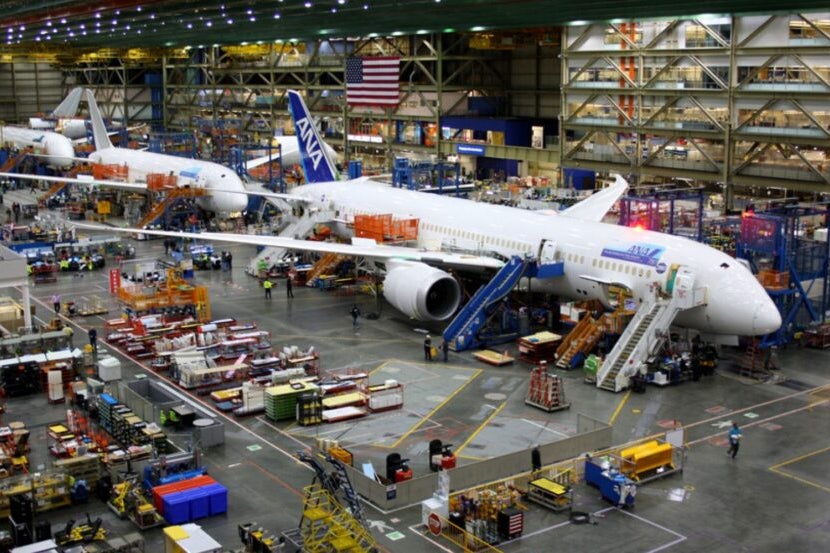
While Boeing delivered 136 commercial aircraft in Q1—a 36% increase from pandemic-depressed 2023 levels—the figure fell short of Airbus’s 142 deliveries and missed internal targets. The 737 MAX program accounted for 75% of commercial deliveries but continues facing:
- Supplier-related part shortages (particularly engines and avionics)
- FAA-mandated quality inspections slowing final approvals
- Customer-reported finish defects requiring rework
Defense programs fared worse, with just 12 military aircraft deliveries versus 18 projected. The KC-46 tanker and T-7A trainer programs accounted for nearly all the shortfall.
Supply Chain Strains Compound Production Issues
Boeing CEO David Calhoun acknowledged “systemic challenges” during the earnings call, noting that 60% of current delays trace to tier-two and tier-three suppliers. “We’re seeing unprecedented strain in the aerospace supply chain,” Calhoun stated. “While we’ve made progress stabilizing our own factories, many smaller suppliers haven’t recovered workforce or production capacity.”
Industry data supports this assessment:
- Aerospace supplier bankruptcies rose 40% year-over-year
- Average component lead times remain 30-45 days longer than pre-pandemic norms
- Labor shortages affect 78% of Boeing’s key suppliers (Teal Group survey)
Competitive Landscape Shifts as Airbus Gains Ground
Boeing’s delivery struggles come as European rival Airbus secures key advantages:
- 60% faster average production times for narrow-body aircraft
- 15% lower reported supplier defect rates
- 32% more delivery slots available through 2025
“Airbus isn’t immune to supply issues, but their integrated supplier network provides more visibility,” noted aviation consultant Richard Aboulafia. “Boeing’s traditional outsourcing model creates vulnerability at every tier.”
Regulatory Scrutiny Adds Another Layer of Complexity
The Federal Aviation Administration maintains heightened oversight of Boeing facilities following multiple quality lapses. Recent developments include:
- Monthly (rather than quarterly) production audits
- New whistleblower protections for quality control staff
- Pending rule changes that could slow certification processes
These measures aim to prevent repeats of past safety incidents but inevitably impact production tempo. “We welcome rigorous oversight,” said Boeing CFO Brian West, “though it does create near-term friction in our operations.”
Path Forward: Recovery or Continued Turbulence?
Boeing maintains its 2024 delivery target of 500-550 commercial aircraft, but analysts remain skeptical. Morgan Stanley estimates the company must accelerate monthly deliveries by 22% to hit the low end of that range—a feat requiring:
- Resolution of 80% of current supplier constraints
- Stable 737 MAX production at 38 units/month (currently 31)
- No new regulatory interventions
Investors appear cautiously optimistic, with Boeing shares rising 3% post-earnings before giving back gains on delivery concerns. The coming months will prove critical as airlines await promised aircraft and defense contracts face potential delays.
“Boeing’s financial health is improving, but aerospace is ultimately a delivery business,” concluded Cheng. “Until planes reliably reach customers, this recovery remains fragile.” For ongoing coverage of Boeing’s operational challenges and market position, subscribe to our aerospace industry newsletter.
See more Business Focus Insider Team
