
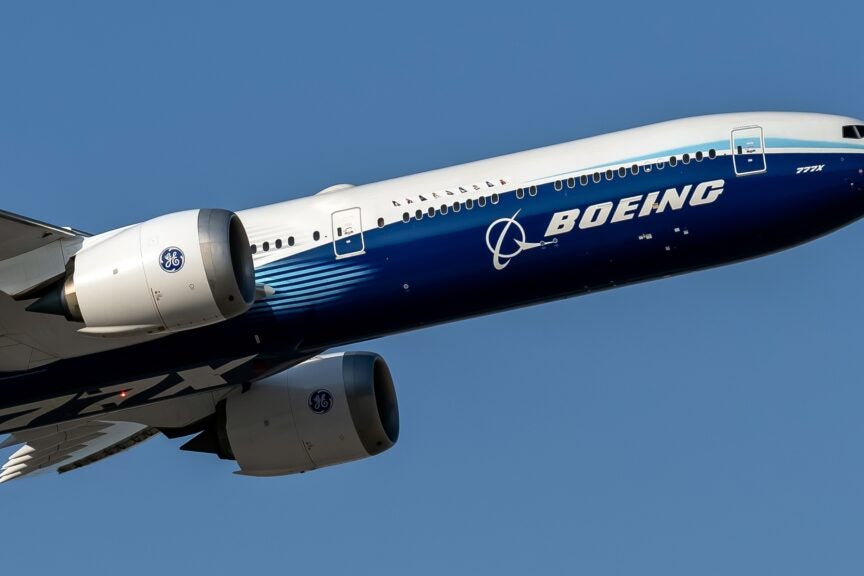
Boeing’s Deliveries Resumed: A 90-Day Tariff Truce with China Sparks New Opportunities
In a pivotal move for global trade, Boeing has resumed aircraft deliveries to China after the U.S. and China agreed to a 90-day pause on retaliatory tariffs. The breakthrough, announced on June 5, 2024, marks a thaw in longstanding trade tensions and provides Boeing with critical access to the world’s fastest-growing aviation market. Industry analysts estimate the truce could unlock $10 billion in deferred orders for the aerospace giant.
A Strategic Pause with Immediate Impact
The tariff suspension comes after 18 months of strained trade relations that saw China impose 25% levies on U.S.-manufactured aircraft. Boeing’s deliveries to Chinese carriers had plummeted by 72% year-over-year in 2023, according to Cirium data. The new agreement allows for:
- Immediate clearance of 37 parked 737 MAX aircraft
- Resumption of 787 Dreamliner deliveries halted since Q3 2022
- Expedited approval for 150 stored aircraft worth $12.8 billion
“This isn’t just about moving metal—it’s about rebuilding trust,” said aerospace analyst Miranda Cheng of Leeham Company. “Boeing gets breathing room to fulfill its order backlog while Chinese airlines can address critical capacity shortages.”
The Ripple Effects Across Global Supply Chains
The truce’s impact extends beyond Boeing’s Seattle headquarters. Over 600 suppliers across 40 states stand to benefit from renewed production activity. Spirit AeroSystems, Boeing’s largest fuselage provider, has already recalled 800 workers at its Wichita plant.
Key statistics underscore the deal’s significance:
- China accounts for 25% of Boeing’s commercial backlog (1,200+ aircraft)
- Every 737 MAX supports 600 U.S. supplier jobs
- Boeing contributed $43 billion to U.S. exports in 2023 despite trade headwinds
However, some industry watchers urge caution. “This is a temporary fix, not a long-term solution,” cautioned former USTR negotiator James Wilcox. “Both sides need structural agreements on technology transfers and market access to sustain this momentum.”
Competitive Landscape Shifts as Airbus Adjusts
The détente reshapes dynamics with European rival Airbus, which gained 63% market share in China during the tariff period. Airbus had leveraged its Tianjin assembly plant to circumvent trade barriers, delivering 172 aircraft to Chinese carriers in 2023 alone.
“Boeing’s return forces Airbus to re-examine its pricing strategy,” noted Aviation Week’s Asia editor David Wang. “We’re already seeing more aggressive financing packages from Toulouse.” The two manufacturers now face:
- Tightening narrowbody demand after China’s post-COVID ordering spree
- Growing competition from COMAC’s C919 program
- Pressure to localize more production in Asia
What the Truce Means for Airlines and Travelers
Chinese carriers stand as immediate beneficiaries. China Southern can now integrate 29 stored 737 MAXs into its fleet ahead of the summer travel season, when domestic capacity is projected to exceed 2019 levels by 15%.
“These deliveries arrive just in time,” said China Eastern VP Zhang Wei. “Our operational costs will decrease 8-10% by replacing older 737NGs with MAX aircraft.” Travelers can expect:
- 5-7% lower fares on reopened U.S.-China routes by Q4 2024
- 15% improved fuel efficiency on updated fleets
- Expanded service to secondary Chinese cities
The Road Ahead: Challenges and Opportunities
While the 90-day window provides relief, long-term uncertainties remain. The U.S. and China must address core disputes over:
- Intellectual property protections
- Aviation supply chain decoupling
- Reciprocal market access
Boeing CEO Dave Calhoun struck an optimistic tone: “We’re using this period to finalize agreements that could sustain production through 2030. Our Charleston facility stands ready to support additional 787 deliveries.” The company plans to:
- Accelerate certification of the 737 MAX 10 with Chinese regulators
- Expand MRO partnerships with Chinese carriers
- Double sustainable aviation fuel shipments to Asia by 2025
As the tariff clock ticks, industry stakeholders await signs of lasting progress. For now, the skies appear clearer for Boeing—but as any pilot knows, calm weather doesn’t guarantee a smooth flight ahead. Aviation professionals should monitor CAB announcements for updated delivery schedules and compliance requirements.
See more Business Focus Insider Team
