
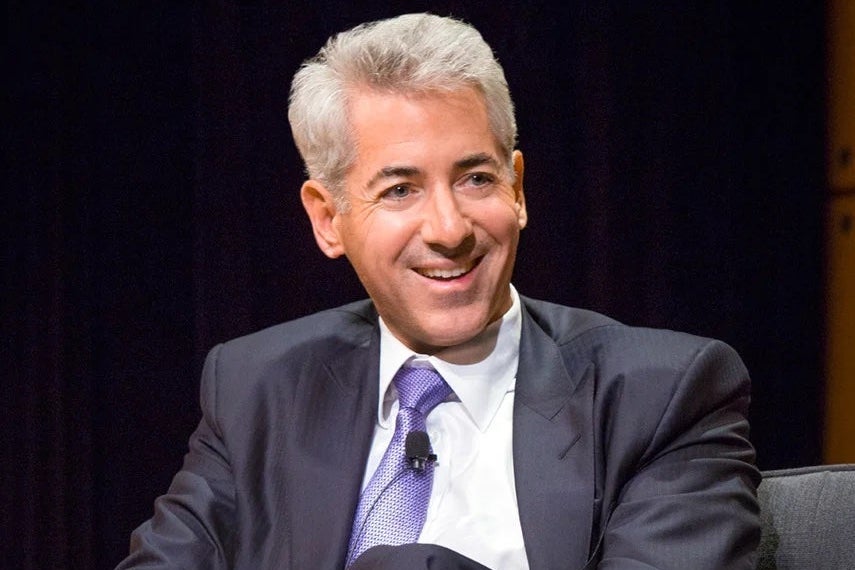
Bill Ackman Challenges Coca-Cola and Pepsi Amid Obesity Debate
In an era where public health discussions are increasingly at the forefront, renowned investor Bill Ackman has thrown down the gauntlet, challenging industry giants Coca-Cola and Pepsi. Both companies, while often celebrated for their refreshing beverages, find themselves in the crosshairs due to their significant roles in the obesity epidemic. Ackman’s critique raises essential questions about corporate responsibility and the broader implications of fast food investments, particularly in a landscape where health-consciousness is on the rise.
The Heart of the Debate: Fast Food Investments
Ackman’s challenge isn’t just a casual remark; it’s a pointed critique of the business strategies employed by these beverage titans. Fast food and sugary drinks are frequently linked to rising obesity rates, and as Ackman highlights, these investments come with a hefty moral weight. But what does this mean in practical terms for companies like Coca-Cola and Pepsi?
- Economic Impact: The fast food industry is a significant contributor to the economy, providing millions of jobs and generating substantial revenue. However, the economic benefits are often overshadowed by public health concerns.
- Health Implications: The consumption of sugary drinks has been linked to a host of health issues, including diabetes, heart disease, and obesity. As these health crises escalate, companies are facing increasing scrutiny regarding their products.
By addressing this issue, Ackman forces consumers and investors alike to reconsider their positions. Should companies prioritize profit over public health? The question lingers in the air, urging a reevaluation of business ethics in the fast food sector.
Ross Gerber’s Perspective on Contradictory Investments
Adding fuel to the fire, investment expert Ross Gerber has pointed out the irony in many investors’ portfolios, where healthy investments are often juxtaposed with stakes in unhealthy food brands. This contradiction raises eyebrows and challenges the narrative that investors are genuinely concerned about health.
- Investment Dilemma: The juxtaposition of investments in health-centric companies versus those in fast food and sugary drink brands exemplifies a broader dilemma. Are investors willing to compromise public health for higher returns?
- Consumer Awareness: Increasingly, consumers are becoming aware of these contradictions and are advocating for brands that align with their values, pushing companies to reconsider their product lines and marketing strategies.
Gerber’s insights illuminate the complexities of the investment landscape. While the financial returns from fast food investments can be tempting, the long-term societal costs may outweigh these immediate benefits. This gives rise to the idea that investors could be more socially responsible in their choices.
The Role of Corporate Responsibility
As Ackman and Gerber shed light on these pressing issues, the conversation shifts towards corporate responsibility. How can Coca-Cola, Pepsi, and other fast-food giants adjust their business models to better align with public health objectives?
- Healthier Product Offerings: Companies can invest in developing and promoting healthier alternatives, such as low-calorie beverages or organic options that cater to health-conscious consumers.
- Transparency in Marketing: A commitment to more transparent marketing practices can help consumers make better-informed choices. This includes clear labeling of nutritional information and the potential risks associated with high-sugar products.
- Community Engagement: Engaging with communities to promote health education can foster a positive image and demonstrate a commitment to public welfare.
Corporate responsibility is no longer just a buzzword; it’s a necessity in today’s marketplace. Consumers are increasingly demanding accountability from the brands they support, and companies that fail to adapt may find themselves facing backlash.
Implications for the Future of Fast Food
The confrontation initiated by Ackman and echoed by Gerber has broader implications for the fast food industry. As public scrutiny intensifies, companies must grapple with the evolving landscape of consumer expectations and health regulations.
- Regulatory Changes: Governments worldwide are beginning to implement regulations aimed at curbing unhealthy consumption, such as taxes on sugary drinks. This could have a profound impact on sales and revenue for companies like Coca-Cola and Pepsi.
- Shifts in Consumer Behavior: With the rise of health-conscious consumerism, brands that fail to evolve may find themselves losing market share to competitors that prioritize health and wellness.
- Investment in Sustainability: As sustainability becomes a significant concern among consumers, companies are expected to adopt more environmentally friendly practices, influencing their product offerings and marketing strategies.
The fast food landscape is not static; it’s continually changing and adapting to new consumer demands. The challenge posed by Ackman and supported by Gerber serves as a catalyst for change, encouraging companies to rethink their strategies and invest in healthier, more sustainable practices.
Concluding Thoughts: A Call to Action
Bill Ackman’s challenge to Coca-Cola and Pepsi shines a light on an essential conversation about health, responsibility, and the future of fast food investments. As the obesity epidemic continues to rise, it becomes imperative for both corporations and investors to align their goals with the well-being of consumers.
In this evolving landscape, it’s not merely about profits; it’s about creating a healthier future for all. Companies must step up, re-evaluate their investments, and take a stand against the unhealthy practices that contribute to the obesity crisis. Investors, too, must reflect on their portfolios and consider the long-term implications of their choices.
Ultimately, the challenge is not just about facing the giants of the beverage industry; it’s about fostering a culture of health consciousness that supports sustainable practices and promotes well-being. The time for change is now, and it requires collective action from all stakeholders involved.
See more Business Focus Insider Team
